
Do You Have To Replace All 4 Tires On 4wd
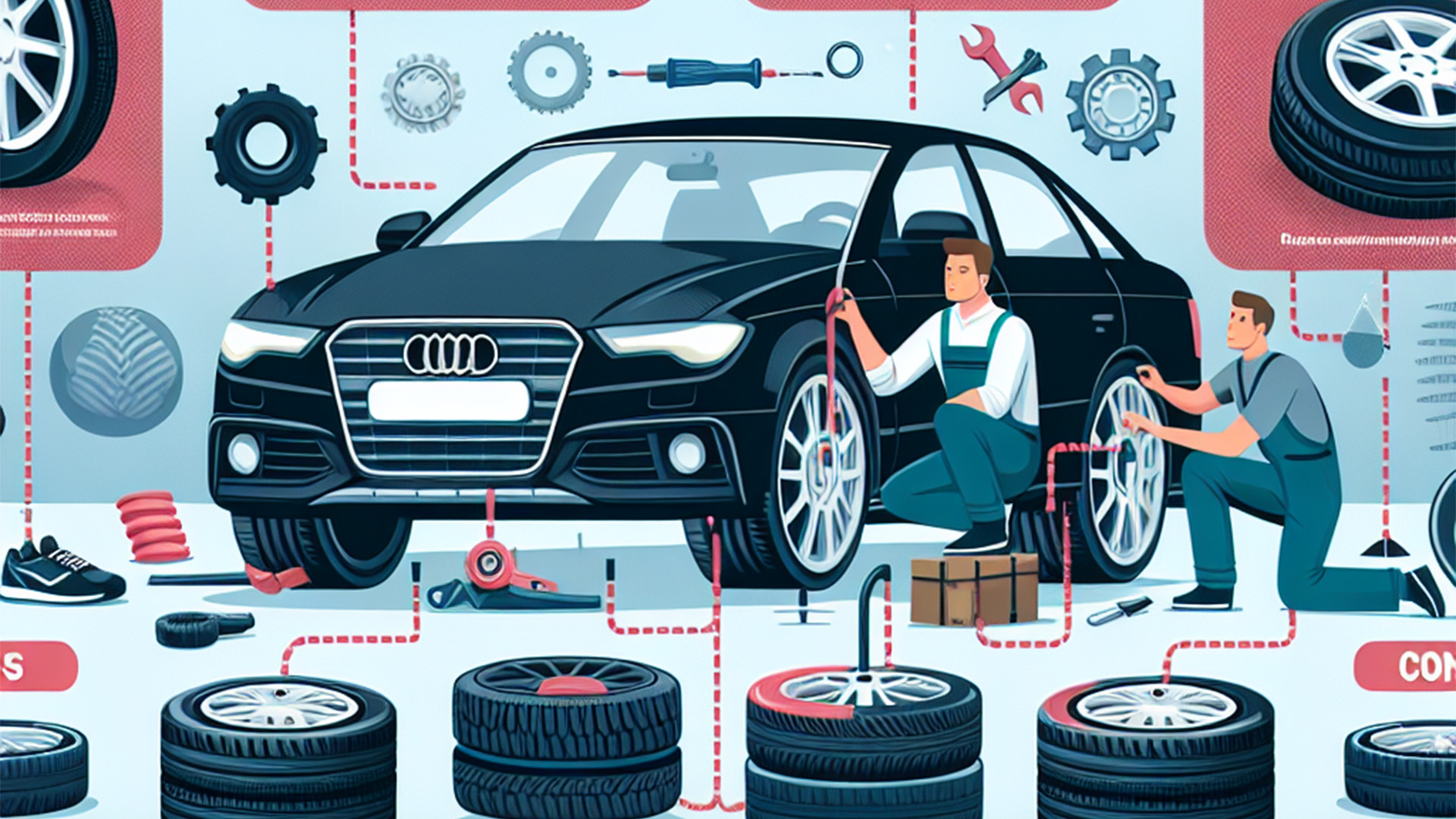
The question of whether to replace all four tires on a 4WD (four-wheel drive) vehicle is a common one, and the answer is almost always yes, especially if there's significant wear on the existing tires. While it might seem like a way to save money to replace just one or two, the implications for your vehicle's drivetrain and overall safety can be substantial. Let's delve into the technical reasons why replacing all four tires is the recommended practice for 4WD vehicles.
The Importance of Tire Circumference Matching
The core issue revolves around tire circumference. In a 4WD system, the front and rear axles are mechanically linked. This means that if the tires on one axle have a significantly different circumference compared to the tires on the other axle, the drivetrain will experience internal stress. This stress arises because the axles are being forced to rotate at different speeds. Think of it like trying to run a 100m dash with one leg shorter than the other – it will be inefficient and create additional strain.
This difference in circumference can be caused by several factors, including:
- Uneven Tire Wear: Tires wear down at different rates depending on driving habits, road conditions, and the vehicle's alignment. Even a small difference in tread depth can translate to a noticeable difference in circumference.
- Mismatched Tire Brands or Models: Even if two tires are the same size according to the sidewall markings (e.g., 265/70R16), slight variations in manufacturing can result in different actual circumferences.
Consequences of Mismatched Tire Circumference
The consequences of driving a 4WD vehicle with mismatched tire circumferences can be severe and costly. These include:
- Transfer Case Damage: The transfer case is the component responsible for distributing power between the front and rear axles. Constant stress from mismatched tires can lead to premature wear and failure of the transfer case. Repairing or replacing a transfer case is a significant expense.
- Differential Damage: Similarly, the differentials in both axles can be affected. The constant forced slippage caused by differing tire speeds generates excessive heat and wear on the gears and bearings.
- Increased Fuel Consumption: The drivetrain is working harder to compensate for the difference in tire speeds, leading to decreased fuel efficiency.
- Reduced Traction and Handling: Mismatched tires can negatively impact the vehicle's handling, especially in off-road or slippery conditions. This can compromise safety and control.
Exceptions to the Rule: When is it Okay to Replace Only Two Tires?
While replacing all four tires is the general recommendation, there are a few specific circumstances where replacing only two tires might be acceptable, though not ideal. These situations demand careful consideration:
- Minimal Wear Difference: If the existing tires have extremely low mileage and the tread depth is very close to the tread depth of the new tires (within 2/32" or less), it *might* be acceptable to replace only two. However, it's crucial to have a mechanic verify the acceptable variance for your specific 4WD system. Consult your vehicle's owner's manual.
- Professionally Shaved Tires: Some tire shops offer a service where they can shave down new tires to match the exact tread depth of the existing tires. This is a more expensive option than buying four new tires, but it can be a viable solution if you absolutely must replace only two.
Even in these exceptional cases, remember that replacing all four tires provides the best performance, safety, and longevity for your 4WD system.
Using a Tire Tread Depth Gauge
A simple tool called a tire tread depth gauge can help you accurately measure the tread depth of your tires. This is a crucial step in determining whether a difference exists that warrants replacing all four. You can purchase these gauges at most auto parts stores for a very low price. Regularly checking your tire pressure and tread depth helps extend tire life and promote safer driving.
Conclusion
In summary, while the initial cost of replacing all four tires on a 4WD vehicle might seem higher, it is generally the most cost-effective and safest long-term solution. Protecting your drivetrain from unnecessary stress and ensuring optimal handling outweigh the potential savings of replacing only two tires. Always consult with a qualified mechanic or tire professional if you have any doubts about the condition of your tires or the best course of action for your specific 4WD vehicle. Prioritizing preventative maintenance in this way can significantly reduce the risk of costly repairs down the road.