
Do You Hook Up Negative Or Positive First
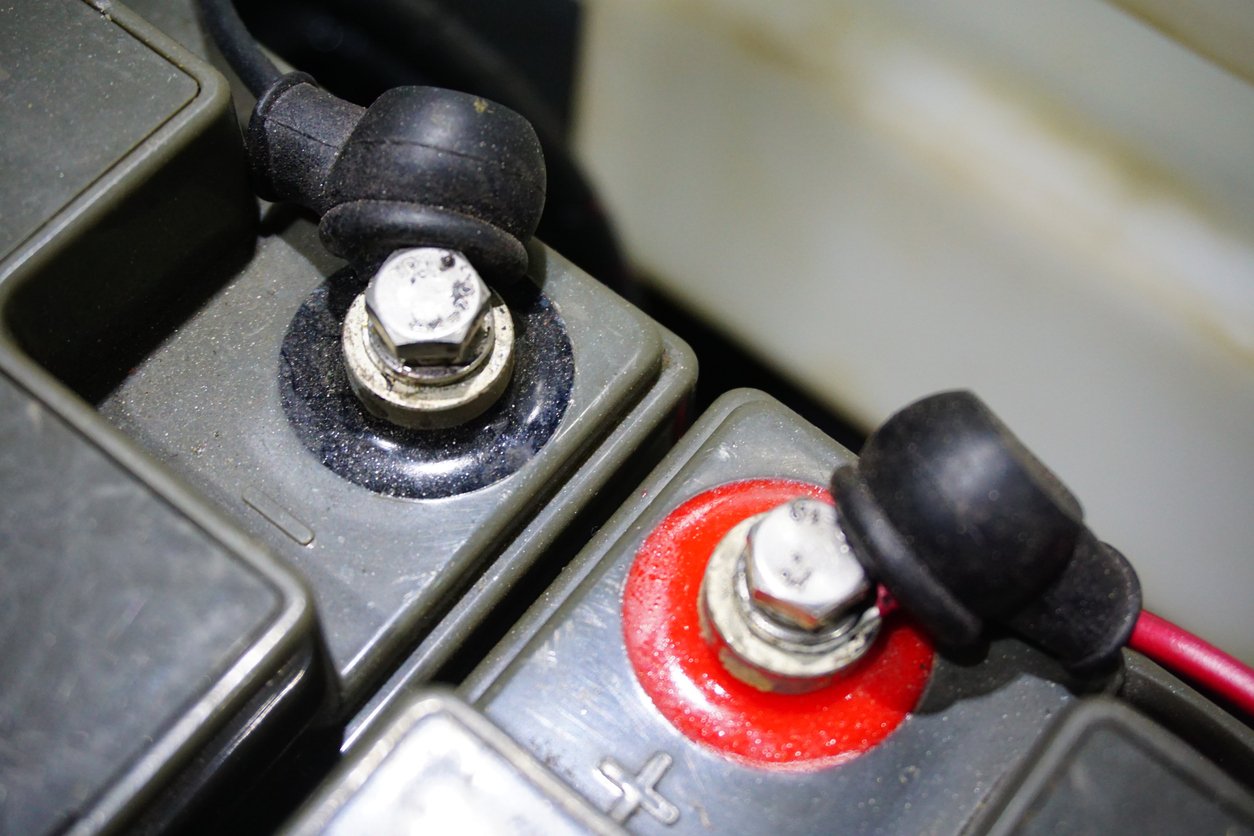
Connecting a battery, whether it's in your car, motorcycle, or a small electronics project, seems simple enough. Red to positive, black to negative, right? While the steps are easy to follow, the *order* in which you connect and disconnect the terminals matters significantly. Understanding the rationale behind the proper sequence can prevent potentially dangerous situations, including short circuits, sparks, and even damage to your vehicle's electrical system. This article delves into the reasons why you should hook up positive first and disconnect negative first, exploring the underlying electrical principles at play.
Why Positive First When Connecting?
The primary reason for connecting the positive terminal first boils down to minimizing the risk of a short circuit. To understand this, consider the following scenario:
Imagine you're connecting the negative terminal first. Your wrench or tool, inevitably, might accidentally touch a grounded part of the vehicle's chassis while you're tightening the negative clamp. Since the negative terminal is already connected, this creates a direct path to ground. Now, when you go to connect the positive terminal, if your wrench (or any conductive tool) touches a grounded part of the car *before* it's securely connected to the positive terminal, you've created a short circuit. This results in a large, uncontrolled flow of current directly from the positive terminal to ground, bypassing the intended electrical circuits.
This high current flow can cause:
- Sparks: Dramatic and potentially dangerous sparks, which could ignite flammable materials nearby (especially around batteries that may vent hydrogen gas).
- Welding: The high current can actually weld your wrench to the car chassis, making it very difficult and potentially dangerous to remove.
- Wire Damage: Overheating of the battery cables and other wiring, potentially melting insulation and leading to further electrical problems.
- Battery Damage: Extreme current draw can damage the battery itself.
- Personal Injury: Burns and other injuries from sparks and heat.
By connecting the positive terminal first, you isolate the positive side of the circuit. If your wrench accidentally touches a grounded part of the car while connecting the positive terminal, *nothing happens*. There's no complete circuit because the negative terminal isn't yet connected. The current simply can't flow. This simple change in sequence drastically reduces the risk of a short circuit and its associated dangers.
Important Note: Even with this precaution, it's still crucial to be careful and avoid touching grounded parts of the vehicle with your tools while working around the battery. Always use insulated tools when possible and work in a well-lit environment.
Why Negative First When Disconnecting?
The principle behind disconnecting the negative terminal first mirrors the logic of connecting positive first, focusing on preventing accidental short circuits. When disconnecting, the goal is to break the ground connection *before* any accidental contact with the positive terminal can complete a circuit.
Let's consider the reverse situation: you disconnect the positive terminal first. The negative terminal is still connected to ground. If your wrench accidentally touches a grounded part of the car while you're disconnecting the positive terminal, *nothing happens*. But, consider this: You've just disconnected the positive cable, and it's now potentially dangling or near a grounded surface. If that positive cable makes contact with the chassis while the negative is still connected, you've created a short.
By disconnecting the negative terminal first, you eliminate the ground path. Now, even if your wrench or the positive cable accidentally touches the chassis, there's no complete circuit, and therefore no short circuit occurs.
Think of it like this: disconnecting the negative terminal first is like cutting the power to a house *before* you start messing with the wiring. It removes the possibility of accidental shocks.
Step-by-Step Procedures:
Here's a clear breakdown of the correct procedures:
Connecting a Battery:
- Ensure the vehicle is turned off.
- Identify the positive (+) and negative (-) terminals on the battery and the corresponding cables.
- Connect the positive (+) cable to the positive (+) terminal. Ensure a secure connection.
- Connect the negative (-) cable to the negative (-) terminal. Ensure a secure connection.
Disconnecting a Battery:
- Ensure the vehicle is turned off.
- Locate the negative (-) terminal.
- Disconnect the negative (-) cable from the negative (-) terminal.
- Locate the positive (+) terminal.
- Disconnect the positive (+) cable from the positive (+) terminal.
Grounding Considerations and Modern Vehicles
Modern vehicles often have complex electronic systems that are sensitive to voltage spikes and fluctuations. Improper battery connection or disconnection can potentially damage these systems. While the primary reason for the sequence remains preventing short circuits, the added complexity of modern electronics makes following the correct procedure even more crucial.
Furthermore, the location of the chassis ground can vary from vehicle to vehicle. It's generally a good idea to consult your vehicle's service manual for specific grounding information, although the principle of negative first disconnection remains consistent.
Some vehicles may also have auxiliary grounding straps connecting the engine block and other components to the chassis. These straps ensure good electrical conductivity and help prevent ground loops. When working on a vehicle's electrical system, it's essential to be aware of these grounding straps and ensure they are properly connected after any repairs or maintenance.
Beyond the Basics: Additional Safety Tips
While the correct connection and disconnection sequence is paramount, several other safety precautions should be observed when working with batteries:
- Wear Safety Glasses: Batteries can sometimes vent acid, which can cause serious eye damage. Safety glasses provide essential protection.
- Wear Gloves: Battery acid is corrosive and can irritate or burn your skin. Wear acid-resistant gloves for protection.
- Work in a Well-Ventilated Area: Batteries can emit hydrogen gas, which is flammable. Working in a well-ventilated area minimizes the risk of explosion.
- Avoid Smoking or Open Flames: Never smoke or use open flames near a battery, as the hydrogen gas can ignite.
- Use Insulated Tools: Using tools with insulated handles reduces the risk of accidental short circuits.
- Clean Battery Terminals: Corroded battery terminals can impede electrical flow and make it difficult to start the vehicle. Clean the terminals regularly with a battery terminal cleaner and a wire brush.
- Proper Battery Disposal: Batteries contain hazardous materials and should be disposed of properly. Check with your local municipality for battery recycling programs.
In conclusion, while seemingly trivial, the order in which you connect and disconnect a battery has significant safety implications. By connecting the positive terminal first and disconnecting the negative terminal first, you minimize the risk of short circuits and potential damage to your vehicle's electrical system. Combine this knowledge with other essential safety precautions, and you can work with batteries safely and effectively.