
Dodge Charger Won't Start But Lights Work
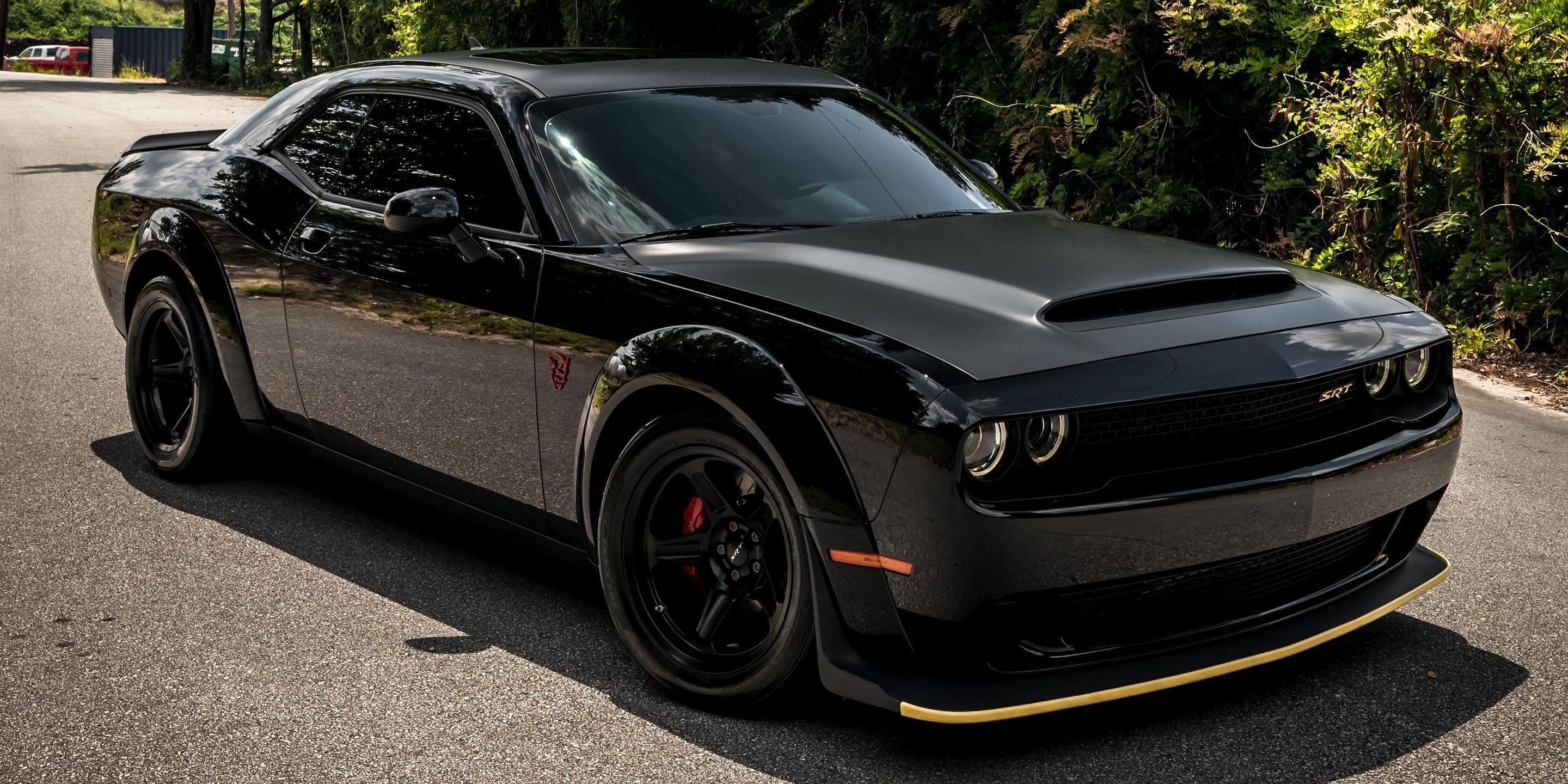
The modern Dodge Charger, a potent blend of muscle car heritage and modern technology, can be a frustrating beast when it refuses to start. It’s especially vexing when the lights blaze brightly, seemingly mocking your attempts at ignition. This scenario points to a problem beyond a simple dead battery, indicating a potential issue within the starting system itself. Let's delve into the common culprits and diagnostic steps to get your Charger roaring back to life.
Understanding the Starting System
Before diving into specifics, let's briefly review the essential components of the starting system in your Charger. The process begins when you turn the key or press the start button, signaling the Powertrain Control Module (PCM). The PCM then verifies conditions like the transmission being in Park or Neutral and sends power to the starter relay. This relay, when energized, closes a high-current circuit connecting the battery directly to the starter motor. The starter motor then engages the engine's flywheel, initiating the combustion process. If any of these elements malfunction, you'll be left with a car that lights up but refuses to crank.
Common Culprits When the Charger Refuses to Crank
When the lights work but the engine won't crank, suspect the following:
- Faulty Starter Motor: This is the most common reason for a no-crank situation. The starter motor itself might be internally damaged, worn out, or have a faulty solenoid. The solenoid is responsible for engaging the starter gear with the flywheel, and a failure here will prevent cranking. Tapping the starter with a hammer while someone attempts to start the car is an old trick (use caution!), but if it temporarily works, it confirms a starter issue.
- Weak or Corroded Connections: Even with a healthy battery, poor connections can cripple the starting system. Check the battery terminals for corrosion and ensure they are tightly secured. Trace the heavy-gauge cables running to the starter motor and the chassis ground, inspecting for damage, corrosion, or loose connections. Clean any corrosion with a wire brush and tighten all connections.
- Defective Starter Relay: The starter relay is a simple, inexpensive component that can cause significant headaches. A faulty relay might not close the circuit to the starter motor, preventing it from engaging. You can often test the relay by swapping it with an identical relay (like the horn relay) in the fuse box. If the car starts with the swapped relay, the original is the problem.
- Neutral Safety Switch/Park Switch Issues: Modern Chargers have a safety switch that prevents the engine from starting unless the transmission is in Park or Neutral. A misaligned, faulty, or damaged switch can prevent the PCM from authorizing the starting sequence. Try starting the car in Neutral; if it starts, the switch is likely the culprit.
- Crankshaft Position Sensor (CKP) or Camshaft Position Sensor (CMP) Failure: While less common, a failing CKP or CMP sensor can prevent the engine from starting. The PCM relies on these sensors to determine the engine's position for fuel injection and ignition timing. If these signals are absent, the engine won't start, even if it cranks. However, these failures often trigger a Check Engine light.
- Immobilizer Problems: If your Charger has an immobilizer system, a fault in this system could prevent the engine from starting. This is less common, but if you've recently had key or immobilizer work done, it's a potential area of investigation.
- Wiring Harness Damage: Rodents, heat, and general wear and tear can damage the wiring harness connecting the starting system components. Carefully inspect the wiring harness for any signs of damage, especially near the starter motor and the fuse box.
Diagnostic Steps
Start with the simplest checks: battery terminals, connections, and fuse box. Use a multimeter to check the battery voltage (should be above 12.6V) and test for voltage drop across the battery terminals and the starter cable during a start attempt. If the voltage drops significantly, there's likely a problem with the battery or connections.
Next, check the starter relay. Locate the relay in the fuse box (consult your owner's manual for the location) and test it using a multimeter or swap it with a known good relay. If the relay tests good, proceed to inspect the wiring harness and connections to the starter motor. A visual inspection can often reveal obvious damage.
If you suspect a faulty starter motor, you can try bypassing the relay and applying direct power to the starter solenoid (again, exercise extreme caution). If the starter spins, the problem lies elsewhere in the starting circuit. If it doesn't spin, the starter is likely the issue.
For more complex issues like CKP/CMP sensor failure or immobilizer problems, a diagnostic scan tool is essential. This tool can read fault codes stored in the PCM, providing valuable clues to the source of the problem. If you're not comfortable using a scan tool or troubleshooting electrical issues, it's best to consult a qualified mechanic.
Conclusion
A Dodge Charger that won't start despite having working lights can be a frustrating puzzle. By systematically checking the components of the starting system, from the battery and connections to the starter motor and sensors, you can often identify the root cause and get your Charger back on the road. Remember safety first, and when in doubt, consult a professional.