
Does A Bug Deflector Work
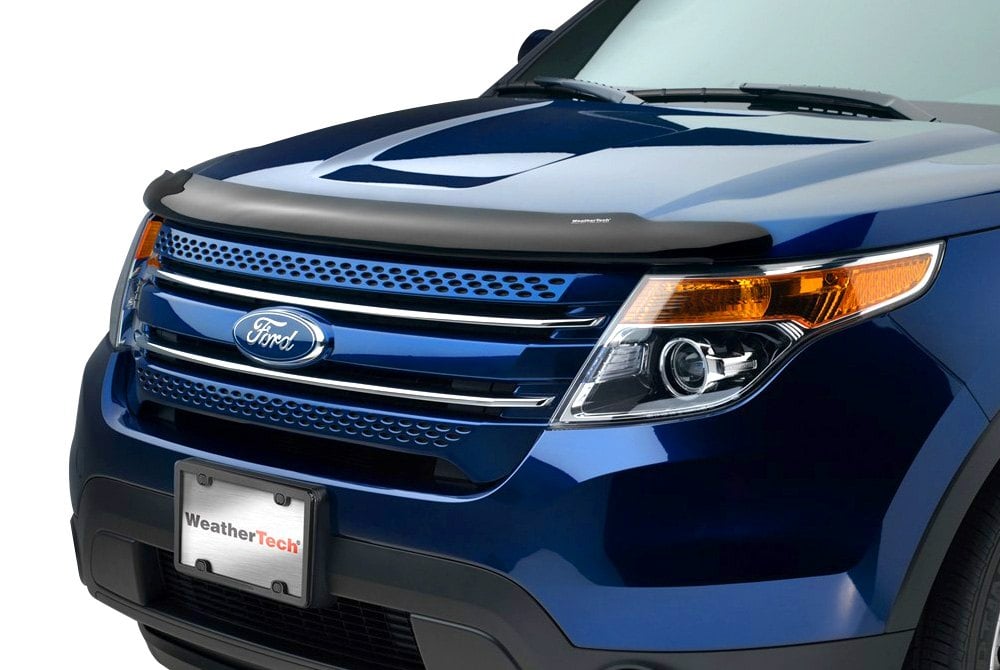
The debate around bug deflectors has been ongoing for years. Do they really work, or are they just another cosmetic add-on for your vehicle? This article dives deep into the practicality of bug deflectors, examining their effectiveness, maintenance needs, and potential problems from both the car owner's and mechanic's perspectives.
The Core Function: Deflection or Decoration?
At their core, bug deflectors are designed to redirect airflow over the hood and windshield of a vehicle. The intention is to create a barrier that minimizes the impact of bugs, small rocks, and other road debris. However, the reality is often more nuanced.
How They Should Work: A well-designed bug deflector creates an upward airflow that lifts bugs and debris away from the windshield. This, in theory, results in a cleaner windshield and reduces the chances of chips and cracks.
How They Often Work: The effectiveness of a bug deflector depends heavily on several factors, including the vehicle's aerodynamics, the deflector's design and placement, and the driving speed. In many cases, the actual deflection is minimal, and the primary benefit is a perceived reduction in bug splatters.
Common Symptoms and Real-World Issues
While bug deflectors aim to solve problems, they can also introduce new ones. Here are some common issues car owners and mechanics encounter:
- Symptom: Increased Wind Noise
Cause: Poorly designed or improperly installed deflectors can create significant wind noise, especially at higher speeds. This is often due to gaps between the deflector and the hood or vibrations caused by loose mounting hardware.
Fix: Check the deflector's mounting points and ensure they are secure. Use weather stripping or foam tape to fill any gaps between the deflector and the hood. If the noise persists, consider a different deflector design or removing it altogether.
Example: Owners of older model Ford F-150s sometimes complain about wind noise from aftermarket bug deflectors that don't perfectly conform to the hood's contours.
- Symptom: Damage to Hood Paint
Cause: Vibrations and movement of the deflector can cause it to rub against the hood, leading to scratches and paint damage over time. This is especially common in areas where the deflector makes direct contact with the hood.
Fix: Apply a clear protective film (PPF) to the hood surface where the deflector makes contact. Regularly inspect the deflector and hood for signs of rubbing. Ensure the deflector is securely mounted and doesn't have excessive play.
Example: Honda Civic owners have reported paint damage on the leading edge of their hoods due to improperly installed or cheap bug deflectors.
- Symptom: Reduced Fuel Efficiency
Cause: Any aerodynamic modification can potentially affect fuel efficiency. A poorly designed bug deflector can increase drag, leading to a slight decrease in MPG. The impact is usually minimal but can be noticeable on long drives.
Fix: Choose a low-profile bug deflector that is designed to minimize drag. Ensure the deflector is properly installed and doesn't create unnecessary air turbulence. Monitor your fuel efficiency after installing the deflector and compare it to your previous MPG.
Example: Some studies suggest that large, bulky bug deflectors on SUVs like the Chevrolet Tahoe can slightly reduce fuel economy.
- Symptom: Ineffective Bug Deflection
Cause: This is the most common complaint. The deflector simply doesn't seem to be doing its job. This can be due to poor design, incorrect placement, or the vehicle's inherent aerodynamics.
Fix: Try adjusting the deflector's position slightly. Consider a different brand or design that has better reviews for your specific vehicle model. Accept that, in some cases, bug deflectors simply aren't very effective.
Example: Many Toyota Camry owners find that bug deflectors have a minimal impact on bug splatters during highway driving.
- Symptom: Difficulty Cleaning
Cause: Bug deflectors can trap dirt, debris, and dead bugs, making it difficult to clean the hood and the deflector itself. The area behind the deflector can become a breeding ground for grime.
Fix: Regularly clean the bug deflector and the area behind it. Use a soft brush and mild soap to remove dirt and debris. Consider removing the deflector periodically for a thorough cleaning.
Example: Owners of Jeep Wranglers often find it challenging to clean the area behind the bug deflector due to its complex mounting and the vehicle's rugged design.
- Symptom: Cracking or Discoloration
Cause: Exposure to UV rays and harsh weather conditions can cause bug deflectors, especially those made from cheaper plastics, to crack, fade, or become brittle over time.
Fix: Choose a bug deflector made from high-quality, UV-resistant materials. Regularly apply a UV protectant to the deflector to help prevent fading and cracking. If the deflector becomes severely damaged, replace it.
Example: Budget-friendly bug deflectors on vehicles like the Nissan Sentra are often prone to cracking and discoloration after a few years of exposure to the sun.
Maintenance and Troubleshooting Tips
Regular maintenance is key to ensuring your bug deflector performs as intended and doesn't cause any unforeseen problems:
- Regular Cleaning: Wash the deflector with soap and water every time you wash your car. This prevents the buildup of dirt, bugs, and grime.
- Inspection: Periodically inspect the deflector for cracks, chips, or loose mounting hardware. Address any issues promptly to prevent further damage.
- Tighten Mounting Hardware: Check and tighten the mounting screws or clips regularly. Loose hardware can cause vibrations and damage to the hood.
- Waxing: Apply a coat of wax to the deflector and the area behind it to protect the paint and make cleaning easier.
- UV Protection: Use a UV protectant spray or wipe on the deflector to prevent fading and cracking caused by sun exposure.
Installation Considerations
Proper installation is crucial for the effectiveness and longevity of a bug deflector. Here are some tips for both car owners and mechanics:
- Read the Instructions: Carefully read and follow the manufacturer's instructions for your specific vehicle model.
- Prepare the Surface: Clean the hood surface thoroughly before installing the deflector. Remove any dirt, wax, or grease that could interfere with adhesion.
- Use Protective Film: Apply a clear protective film to the hood where the deflector makes contact to prevent scratches and paint damage.
- Ensure Proper Alignment: Make sure the deflector is properly aligned with the hood before tightening the mounting hardware.
- Avoid Over-Tightening: Do not over-tighten the mounting screws or clips. This can damage the deflector or the hood.
- Professional Installation: If you are unsure about any part of the installation process, consider having it done by a professional mechanic.
Are Bug Deflectors Worth It?
Ultimately, the decision of whether or not to install a bug deflector is a personal one. They can offer some protection against bugs and debris, but their effectiveness varies depending on several factors. If you are primarily concerned about aesthetics or want a simple, relatively inexpensive way to potentially reduce bug splatters, a bug deflector might be worth considering.
However, be aware of the potential drawbacks, such as increased wind noise, reduced fuel efficiency, and the risk of paint damage. Regular maintenance and proper installation are essential to minimize these risks.
Before purchasing a bug deflector, research different brands and designs, read reviews from other vehicle owners, and consider your specific needs and driving conditions.
Keeping Your Car in Top Condition: Beyond the Bug Deflector
While a bug deflector might offer some protection, maintaining your car's overall condition requires a comprehensive approach. Here are some essential tips:
- Regular Maintenance: Follow the manufacturer's recommended maintenance schedule for oil changes, fluid checks, and other essential services.
- Tire Care: Maintain proper tire pressure, rotate your tires regularly, and replace them when they are worn.
- Brake Inspections: Have your brakes inspected regularly and replace worn brake pads or rotors as needed.
- Fluid Checks: Check and top off all fluids regularly, including engine oil, coolant, brake fluid, power steering fluid, and windshield washer fluid.
- Cleanliness: Wash and wax your car regularly to protect the paint and prevent rust.
- Prompt Repairs: Address any mechanical issues promptly to prevent them from escalating into more serious problems.
- Safe Driving Habits: Practice safe driving habits, such as avoiding aggressive acceleration and braking, to reduce wear and tear on your vehicle.
By following these tips, you can keep your car in top condition and extend its lifespan, regardless of whether you choose to install a bug deflector.