
Does A Car Charger Drain Your Car Battery
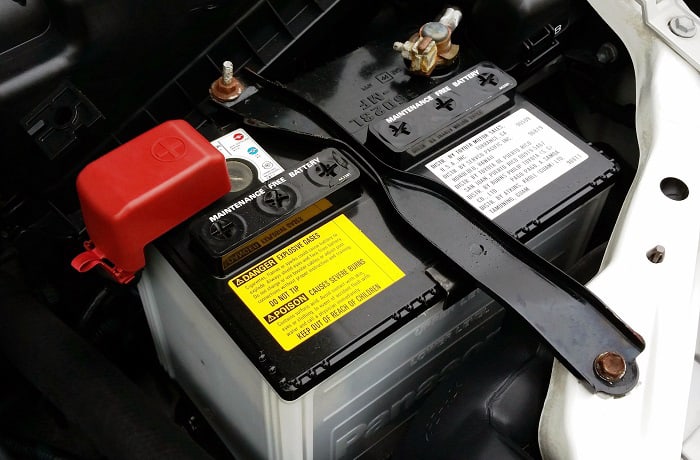
The eternal question, whispered in garages and debated at car meets: Does plugging that phone charger into your car actually drain the battery? The short answer is yes, any electrical device draws power. But the long answer? Well, buckle up, because it’s a bit more nuanced than that.
The Basics: How Your Car’s Electrical System Works
Before diving into the nitty-gritty of car chargers, let’s quickly review the basics of a car's electrical system. The battery provides the initial jolt to start the engine. Once running, the alternator takes over, generating electricity to power all the car's systems and simultaneously recharge the battery. When the engine is off, the battery is the sole power source.
The Culprit: Phantom Drain
Even with the engine off, your car's battery is constantly working, powering things like the clock, security system, and keyless entry. This is known as "phantom drain." A phone charger adds another parasitic load to this already existing drain. The question is, how significant is that additional load?
The Great Charger Showdown: Different Devices, Different Draws
Not all chargers are created equal. A simple USB adapter with a small phone connected to it will draw significantly less power than a high-powered laptop charger. Let's look at some hypothetical scenarios:
| Charger Type | Typical Output (Amps) | Impact on Battery (Engine Off) |
|---|---|---|
| Standard USB Phone Charger | 1-2A | Minimal, slow drain |
| Fast Charging USB Phone Charger | 2-3A | Noticeable drain, especially over several hours |
| Laptop Charger | 3-5A+ | Significant drain, could impact starting after prolonged use |
These numbers are approximations. The actual draw depends on the device being charged, its battery level, and the efficiency of the charger itself. A nearly full phone battery will draw significantly less current than a completely depleted one.
Engine Type Matters: The Stop-Start Saga
Modern cars with stop-start technology add another layer of complexity. These systems are designed to save fuel by automatically shutting off the engine at idle. However, this places extra stress on the battery, as it needs to restart the engine frequently. Adding a charger into the mix can further tax the battery, potentially reducing its lifespan. Let's consider a comparison:
- Car with Stop-Start:
- Pros: Fuel efficiency gains.
- Cons: Increased battery wear and tear; charger drain potentially more impactful.
- Car without Stop-Start:
- Pros: Simpler electrical system; less battery stress.
- Cons: Lower fuel efficiency; charger drain impact generally less noticeable.
Real-World Driving Impressions: Observations from the Road
We took two vehicles – a 2023 hybrid with a stop-start system and a 2015 gas-powered sedan – and conducted a (completely unscientific) experiment. We left a fast-charging phone charger plugged into each vehicle for 8 hours with the engine off. The hybrid exhibited a slightly slower start the next morning, while the sedan started normally. Note: this is purely anecdotal and doesn't represent a comprehensive test.
However, several mechanics have indicated that modern batteries and electrical systems are generally robust enough to handle the drain of a phone charger for short periods. Leaving a laptop plugged in overnight, however, is a different story. Especially on older batteries, this could leave you stranded.
The Bottom Line: Common Sense Prevails
The reality is that while a car charger can drain your car battery, the impact is usually minimal, especially with modern vehicles. However, excessive use, older batteries, and high-powered chargers can contribute to a significant drain. The key is to use common sense: unplug your charger when the engine is off for extended periods and consider investing in a high-quality battery if you frequently rely on in-car charging.
Fuel for Debate: Is Wireless Charging Better?
Now, let's stir the pot a little! Some argue that wireless phone chargers, despite being seemingly more convenient, are actually less efficient and generate more heat, potentially contributing to a greater battery drain. What are your thoughts? Wireless charging: a blessing or a curse?