
Does A Leveling Kit Void A Ford Warranty
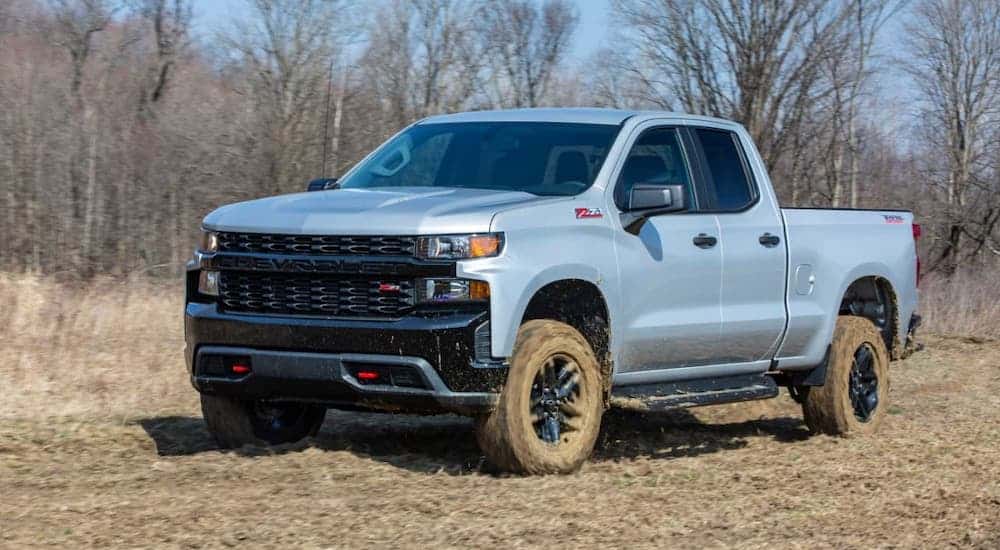
The question of whether installing a leveling kit voids a Ford warranty is a common concern for truck and SUV owners looking to enhance their vehicle's appearance or off-road capabilities. The answer, as with many warranty-related questions, is nuanced and depends on several factors.
Understanding Ford's Warranty
Ford's factory warranty, often a bumper-to-bumper warranty for the first 3 years or 36,000 miles, and a powertrain warranty for 5 years or 60,000 miles (check your specific vehicle's documentation for exact terms), covers defects in materials or workmanship. It's designed to protect you from unexpected repair costs due to manufacturing flaws. However, it doesn't cover damage or failures caused by improper use, neglect, or modifications.
The Magnuson-Moss Warranty Act
The Magnuson-Moss Warranty Act is a federal law that protects consumers from unfair warranty practices. It states that a manufacturer cannot void a vehicle's warranty simply because aftermarket parts have been installed. However, the manufacturer can deny warranty coverage if the aftermarket part or modification caused the failure of the covered component.
Leveling Kits and Warranty Implications
So, does a leveling kit automatically void your Ford warranty? The short answer is: no, not necessarily. Installing a leveling kit alone will not void your entire warranty. However, if the leveling kit installation or the kit itself directly causes a failure of a covered component, Ford can deny warranty coverage for that specific repair.
Examples of Potential Warranty Issues
- Premature Wear of Suspension Components: Let's say you install a leveling kit on your Ford F-150. Several months later, you notice premature wear on your ball joints, tie rod ends, or CV axles (if it's a 4x4). If Ford determines that the increased angle of these components, caused by the leveling kit, led to the accelerated wear, they can deny warranty coverage for replacing those parts.
- Driveline Vibrations: Some leveling kits can alter the driveline angles, leading to vibrations, especially at higher speeds. If these vibrations cause damage to the transmission or transfer case (in 4x4 models), Ford could deny warranty coverage if they attribute the damage to the leveling kit. Think about a Ford Ranger with a poorly installed or inappropriate sized leveling kit.
- ABS/Stability Control Issues: In some cases, leveling kits can interfere with the sensors used by the anti-lock braking system (ABS) or stability control system. This could cause warning lights to illuminate or even lead to malfunctions. If the leveling kit is determined to be the cause, warranty coverage could be denied.
- Steering Issues: Leveling kits can sometimes impact steering geometry. If you experience issues like bump steer (where the steering wheel jerks when hitting bumps) or excessive tire wear, and it's linked to the leveling kit installation, it can create warranty headaches.
Maintenance and Troubleshooting After Installing a Leveling Kit
To minimize the risk of warranty issues and ensure your vehicle's longevity after installing a leveling kit, proper maintenance and troubleshooting are crucial.
Common Symptoms, Causes, and Fixes
Here's a problem-solution approach to common issues:
Symptom: Excessive Tire Wear (especially on the outer edges)
Possible Cause: Misalignment after leveling kit installation. Altered steering geometry.
Solution: Immediately get a professional wheel alignment after installing the leveling kit. Regular tire rotations (every 5,000-7,000 miles) can also help even out wear. Check tire pressure frequently. Consider adjustable upper control arms if the alignment is difficult to correct within factory specifications.
Symptom: Driveline Vibrations (especially at certain speeds)
Possible Cause: Incorrect pinion angle. Increased operating angles of the driveshaft.
Solution: Inspect the driveline for proper alignment. Consider using shims to adjust the pinion angle. If the vibrations are severe, you may need a longer driveshaft or a driveshaft with a double-cardan joint to compensate for the altered geometry. This is especially important on lifted Ford Super Duty trucks.
Symptom: Popping or Clunking Noises from the Suspension
Possible Cause: Loose bolts. Worn ball joints or tie rod ends. Improperly installed leveling kit.
Solution: Thoroughly inspect all bolts and fasteners related to the leveling kit installation and torque them to the manufacturer's specifications. Check for play in the ball joints and tie rod ends. If they are worn, replace them. If you suspect improper installation, have a qualified mechanic inspect the work.
Symptom: Rough Ride Quality
Possible Cause: Stiffer springs or shocks used in the leveling kit. Overextended suspension components.
Solution: Consider replacing the shocks with ones designed for lifted or leveled vehicles. Ensure the leveling kit is not over-extending the suspension components. If it is, a smaller leveling kit or different components may be necessary. Some leveling kits that use pucks or spacers can negatively impact ride quality compared to those that use replacement springs.
Symptom: ABS or Stability Control Warning Lights
Possible Cause: Interference with ABS sensors or wiring. Altered vehicle ride height impacting sensor calibration.
Solution: Carefully inspect the ABS sensors and wiring for any damage or interference from the leveling kit. Some vehicles may require recalibration of the ABS or stability control system after a leveling kit is installed. Consult a qualified mechanic.
Symptom: Bump Steer
Possible Cause: Change in steering geometry because of the lift.
Solution: Consider drop brackets for the control arms to correct steering geometry. Install a new steering stabilizer to reduce the bump steer effect. This is especially important for F-250 and F-350 trucks.
Document Everything
One of the best ways to protect yourself is to document everything. Keep detailed records of:
- The leveling kit installation (date, installer, parts used).
- Any subsequent maintenance or repairs related to the suspension or driveline.
- Wheel alignment reports.
- Photos or videos of any problems you encounter.
This documentation can be invaluable if you need to make a warranty claim related to a component that may have been affected by the leveling kit.
Best Practices for Minimizing Warranty Risks
Here are some tips to minimize the risk of warranty issues after installing a leveling kit:
- Choose a Reputable Brand: Select a leveling kit from a well-known and respected manufacturer. Read reviews and research the kit's quality and reliability.
- Professional Installation: Have the leveling kit installed by a qualified and experienced mechanic. Proper installation is crucial to avoid problems down the road.
- Avoid Extreme Leveling Kits: Smaller leveling kits (1-2 inches) are generally less likely to cause problems than larger kits that significantly alter the vehicle's suspension geometry.
- Proper Alignment: Always get a professional wheel alignment immediately after installing a leveling kit.
- Regular Maintenance: Maintain your vehicle according to Ford's recommended maintenance schedule. Pay close attention to suspension and driveline components.
- Communicate with Your Dealership: If you're concerned about warranty coverage, talk to your Ford dealership before installing a leveling kit. Get their perspective on how the modification might affect your warranty. While they can't give you a definitive guarantee, they can offer valuable insights.
- Consider Ford Performance Parts: Ford Performance offers some leveling kits and lift kits. Using these kits may provide greater warranty coverage assurance, but always confirm the specific warranty terms with your dealer.
Real-World Scenarios
Scenario 1: A Ford Explorer owner installs a 2-inch leveling kit. Six months later, they experience a wheel bearing failure. The dealership determines that the leveling kit did not contribute to the wheel bearing failure, and the repair is covered under warranty.
Scenario 2: A Ford F-250 owner installs a 3-inch leveling kit and uses larger tires. They start experiencing vibrations and premature wear on the ball joints. The dealership determines that the leveling kit and larger tires caused the premature wear and denies warranty coverage for the ball joint replacement.
Scenario 3: A Ford Ranger owner installs a leveling kit themselves but fails to properly torque the suspension components. The suspension develops excessive play, and the owner brings it to the dealership for repair. The dealership determines that the improper installation caused the damage and denies warranty coverage.
Keeping Your Car in Top Condition
Whether or not you choose to install a leveling kit, keeping your car in top condition requires consistent attention to maintenance. Here are some key areas to focus on:
- Regular Oil Changes: Follow Ford's recommended oil change intervals to protect your engine.
- Fluid Checks: Regularly check and top off all fluids, including coolant, brake fluid, power steering fluid, and transmission fluid.
- Brake Inspection: Inspect your brakes regularly for wear and tear. Replace brake pads and rotors as needed.
- Tire Maintenance: Check tire pressure regularly and rotate your tires every 5,000-7,000 miles. Replace tires when they reach the end of their lifespan.
- Filter Replacements: Replace air filters, fuel filters, and cabin air filters according to Ford's recommendations.
- Regular Inspections: Have your vehicle inspected by a qualified mechanic at least once a year to catch any potential problems early.
By following these maintenance tips and being proactive about addressing any issues that arise, you can keep your Ford running smoothly and reliably for years to come.