
Does Cold Weather Affect Your Car Battery
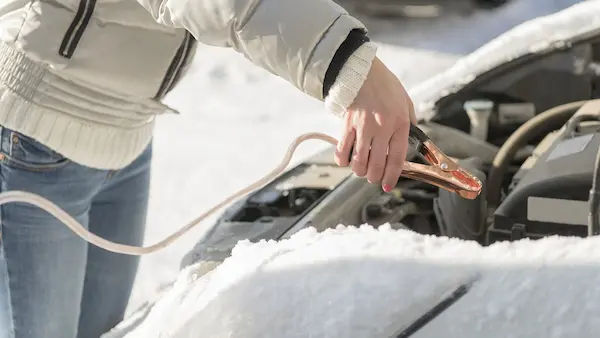
As any experienced car owner knows, a cold snap can bring more than just shivers – it can bring headaches under the hood. And more often than not, the prime suspect is your car battery. But why does cold weather seem to conspire against our vehicles' power sources? The answer is multifaceted, involving both the chemistry inside the battery and the increased electrical demands placed on it by the car in frigid temperatures.
The Science Behind the Struggle: How Cold Impacts Battery Chemistry
At its core, a lead-acid car battery (the most common type) relies on a chemical reaction to generate electricity. This reaction involves sulfuric acid (the electrolyte) reacting with lead plates inside the battery. The rate of this chemical reaction is directly affected by temperature. As the temperature drops, the reaction slows down significantly. Think of it like trying to light a fire with damp wood – it's much harder to get things going.
Specifically, the ion mobility within the electrolyte decreases at lower temperatures. Ions are electrically charged atoms or molecules that move between the electrodes (the lead plates) to facilitate the flow of electrons, which is what creates electricity. When the electrolyte is cold, these ions move more sluggishly, hindering the battery's ability to deliver a strong current. This translates to a lower cranking amps (CA) or cold cranking amps (CCA) rating – the battery's ability to provide the high current needed to start the engine in cold conditions. A healthy battery might boast a CCA of 600 amps at 0°F (-18°C), but in severely cold weather, this capacity can drop considerably.
Furthermore, cold temperatures increase the internal resistance of the battery. This means the battery has to work harder to push the same amount of current through itself. This increased resistance not only reduces the amount of power available to start the engine but also generates heat within the battery. While a little heat can be beneficial in warming the battery slightly, excessive internal heat is generally detrimental to its lifespan.
Another crucial factor is the effect of cold on the battery's state of charge. Batteries naturally self-discharge over time, even when not in use. This self-discharge rate is exacerbated by cold temperatures. A battery that's already partially discharged becomes even more vulnerable in cold weather. If the battery's charge drops too low, the electrolyte can begin to sulfate, a process where lead sulfate crystals form on the lead plates. These crystals reduce the surface area available for the chemical reaction, permanently diminishing the battery's capacity. Sulfation is a leading cause of premature battery failure.
Increased Electrical Load: Demands on a Weakened System
The battery's weakened state due to cold chemistry is only half the battle. Cold weather also places a greater demand on the battery to power various vehicle systems. Consider the following:
- Starting the Engine: Cold oil is thicker and more viscous, making the engine harder to crank. This increased resistance requires the starter motor to draw significantly more current from the battery.
- Heater and Defroster: In cold weather, you're likely using the heater, defroster, and heated seats. These all draw significant power from the electrical system, putting an extra strain on the battery, especially during short trips where the alternator doesn't have enough time to fully recharge the battery.
- Lights: Winter often means shorter days and longer nights. Headlights, taillights, and interior lights contribute to the overall electrical load.
- Other Accessories: Windshield wipers, rear defrosters, and other accessories all add to the electrical burden.
Because the battery is already struggling to deliver power due to the cold, these increased demands can easily push it beyond its limits, leading to a no-start situation. It's a vicious cycle: the colder it gets, the harder the battery has to work, and the less effective it becomes.
Preventative Measures: Keeping Your Battery Healthy in Winter
Fortunately, there are several steps you can take to mitigate the effects of cold weather on your car battery and ensure reliable starting throughout the winter:
Battery Testing and Maintenance
Before winter arrives, have your battery tested by a professional mechanic or use a battery load tester yourself. This test will assess the battery's ability to deliver current under load and indicate whether it's nearing the end of its lifespan. If the battery is weak, replacing it before winter can save you from potential headaches. Ensure the battery terminals are clean and free of corrosion. Use a wire brush to remove any buildup and apply a thin coat of dielectric grease to prevent future corrosion.
Proper Charging
Maintain a full charge on your battery. Use a battery charger or trickle charger to keep the battery topped off, especially if you only drive short distances regularly. These chargers provide a slow, steady charge that helps prevent sulfation and maintain optimal battery performance.
Minimize Electrical Load During Startup
Before starting the engine, turn off all unnecessary electrical accessories, such as the headlights, heater, and radio. This reduces the load on the battery during the crucial starting phase.
Insulation
Consider using a battery warmer or thermal wrap to insulate the battery and keep it from getting too cold. These devices provide a small amount of heat to maintain the battery's temperature, improving its performance. You can also park your car in a garage or sheltered area whenever possible to protect it from extreme cold.
Regular Driving
Avoid letting your car sit unused for extended periods, especially in cold weather. Regular driving helps keep the battery charged by allowing the alternator to replenish the energy used during starting and operation. If you must leave your car parked for a long time, consider disconnecting the battery cable to prevent self-discharge.
Upgrade if Necessary
If you live in an area with particularly harsh winters, consider upgrading to a battery with a higher CCA rating. This will provide more starting power in cold conditions.
By understanding the impact of cold weather on your car battery and taking proactive steps to maintain its health, you can significantly reduce the risk of a cold-weather starting failure and ensure your vehicle remains reliable throughout the winter months. A little preventative maintenance goes a long way in avoiding costly repairs and frustrating situations.