
Does Discount Tire Charge To Rotate Tires
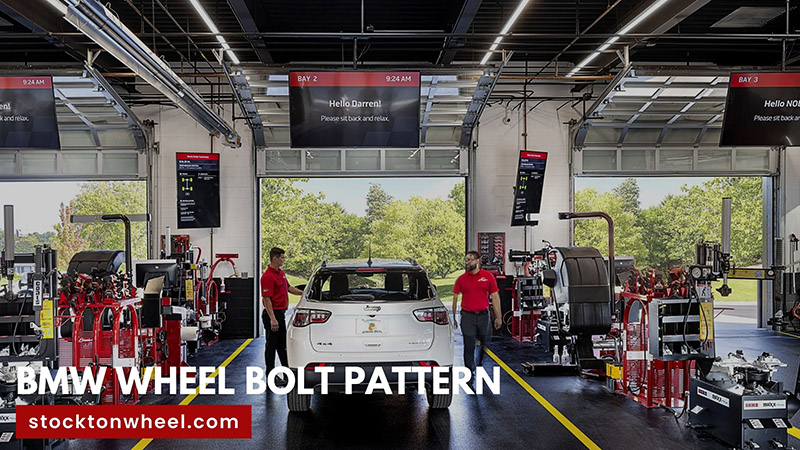
Tire rotation is a crucial part of vehicle maintenance, extending tire life and ensuring even wear. A common question among car owners is, "Does Discount Tire charge to rotate tires?" The answer, like many things in auto repair, isn't always a straightforward yes or no. Let's delve into the specifics.
Discount Tire's Tire Rotation Policy: The General Overview
Generally, Discount Tire offers free tire rotation for customers who purchased their tires from them. This is a significant perk and a major selling point for many. If you bought your tires elsewhere, however, you'll likely be charged a fee for the service. The cost can vary depending on factors such as tire size, vehicle type, and the complexity of the rotation. It's always best to call your local Discount Tire and confirm their current pricing.
Symptoms of Uneven Tire Wear: A Problem-Solution Approach
Uneven tire wear is a major problem that can lead to reduced tire lifespan, poor handling, and even dangerous driving conditions. Here’s a breakdown of common symptoms, causes, and solutions:
Symptom: Outer Edge Wear
Problem: The edges of your tires are wearing down faster than the center.
Causes:
- Underinflation: This is the most common culprit. When a tire is underinflated, the edges bear more of the vehicle's weight.
- Aggressive Cornering: Frequent hard turns put extra stress on the tire edges.
- Poor Alignment: Incorrect alignment can cause excessive edge wear.
Solutions:
- Check and Adjust Tire Pressure: Use a reliable tire pressure gauge and inflate your tires to the manufacturer's recommended pressure (found on the sticker inside your driver's side door or in your owner's manual).
- Modify Driving Habits: Avoid aggressive cornering where possible.
- Get a Wheel Alignment: Have your alignment checked and adjusted by a qualified technician.
Symptom: Center Wear
Problem: The center of your tires is wearing down faster than the edges.
Causes:
- Overinflation: This is the most common cause. Overinflating a tire causes the center to bulge, bearing more of the load.
Solutions:
- Check and Adjust Tire Pressure: Release air to reach the recommended pressure.
Symptom: One-Sided Wear
Problem: One side of the tire is wearing down significantly faster than the other.
Causes:
- Poor Alignment: Especially issues like camber or toe.
- Worn Suspension Components: Ball joints, tie rod ends, or struts can cause uneven wear.
Solutions:
- Get a Wheel Alignment: A must.
- Inspect and Replace Worn Suspension Components: Have a mechanic inspect your suspension.
Symptom: Cupping or Scalloping
Problem: Patches of uneven wear around the tire's circumference.
Causes:
- Worn Shocks or Struts: The tire bounces excessively, leading to uneven wear.
- Out-of-Balance Tires: Imbalanced tires can cause vibrations and uneven wear.
Solutions:
- Replace Worn Shocks or Struts: This is crucial for safety and tire life.
- Balance Your Tires: Have your tires balanced by a professional.
Real-World Examples: Tire Rotation on Popular Car Models
The tire rotation pattern can vary depending on your vehicle type (front-wheel drive, rear-wheel drive, or all-wheel drive) and whether your tires are directional. Here are a few examples:
- Front-Wheel Drive (e.g., Honda Civic): A common rotation pattern is to move the front tires straight back and cross the rear tires to the front.
- Rear-Wheel Drive (e.g., Ford Mustang): The front tires are crossed to the rear, and the rear tires move straight forward.
- All-Wheel Drive (e.g., Subaru Outback): A crisscross pattern is often recommended, with both front and rear tires crossed when moved.
Important Note: Always consult your owner's manual for the recommended tire rotation pattern for your specific vehicle.
Troubleshooting Rotation Issues
Sometimes, even with regular rotations, you might still experience uneven wear. Here are a few troubleshooting tips:
- Check for Proper Inflation: As mentioned earlier, maintaining the correct tire pressure is vital.
- Inspect Your Suspension: Worn suspension components can wreak havoc on tire wear.
- Balance Your Tires: Imbalanced tires can cause vibrations and uneven wear patterns.
- Alignment Check: Get a professional alignment check, especially if you notice pulling or drifting.
- Consider Tire Quality: Cheaper tires may wear faster and more unevenly than higher-quality brands.
Keeping Your Car in Top Condition: Beyond Tire Rotation
Tire rotation is just one piece of the puzzle when it comes to maintaining your vehicle. Here are a few additional tips:
- Regular Oil Changes: Keep your engine running smoothly with regular oil and filter changes.
- Brake Inspections: Have your brakes inspected regularly to ensure they are in good working order.
- Fluid Checks: Regularly check and top off all essential fluids, including coolant, brake fluid, power steering fluid, and windshield washer fluid.
- Scheduled Maintenance: Follow the manufacturer's recommended maintenance schedule for your vehicle.
- Listen to Your Car: Pay attention to any unusual noises, vibrations, or changes in performance. These could be early warning signs of potential problems.
By following these tips and making tire rotation a regular part of your maintenance routine, you can extend the life of your tires, improve your vehicle's handling, and ensure a safer driving experience. And remember, when in doubt, consult with a qualified mechanic or tire professional.