
Does It Matter What Color Coolant You Use
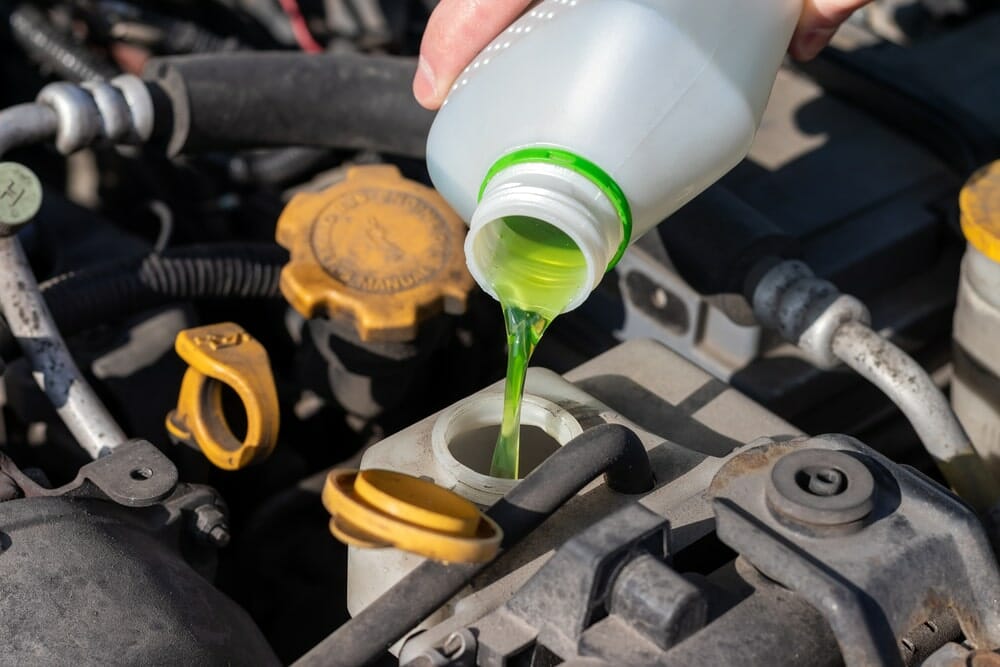
Maintaining your vehicle's cooling system is crucial for its longevity and performance. One aspect of this maintenance often leads to confusion: coolant color. Does it really matter what color coolant you use? The short answer is yes, coolant color matters, but not in the way you might think. This article will delve into the intricacies of coolant types and colors to help you make informed decisions about your vehicle's cooling system.
Understanding Coolant Types
Coolant, also known as antifreeze, isn't just water. It's a carefully formulated mixture designed to regulate engine temperature, prevent corrosion, and protect against freezing and boiling. Different engine designs and materials require specific coolant formulations to ensure optimal performance and prevent damage. Modern coolants are broadly classified into the following types:
- Inorganic Additive Technology (IAT): This is the oldest type of coolant, typically green in color. IAT coolants use inorganic additives like silicates and phosphates to protect against corrosion. However, these additives deplete relatively quickly, requiring coolant changes every 2 years or 24,000 miles.
- Organic Acid Technology (OAT): OAT coolants use organic acids for corrosion protection. They have a much longer lifespan than IAT coolants, lasting up to 5 years or 150,000 miles. OAT coolants are commonly orange, red, pink, or purple.
- Hybrid Organic Acid Technology (HOAT): HOAT coolants combine organic acids with some inorganic additives, such as silicates or phosphates. They offer a balance of long life and excellent corrosion protection. HOAT coolants are typically yellow or blue, although other colors exist.
- Phosphate Organic Acid Technology (POAT): Similar to HOAT but using phosphates, commonly used by Asian manufacturers to prevent hard water scale build up. Commonly blue.
The Myth of Color Coding
While coolant color can be an indicator of its type, it's crucial to understand that color is not a foolproof method for identifying coolant chemistry. Manufacturers often dye coolants different colors for marketing purposes or to differentiate their products. Therefore, relying solely on color can be misleading and potentially damaging to your engine.
For example, a blue coolant from one manufacturer might be a HOAT formulation, while a blue coolant from another manufacturer could be a POAT formulation. Mixing incompatible coolants can lead to a chemical reaction, forming a sludge that clogs the cooling system and reduces its efficiency. This can result in overheating, engine damage, and costly repairs.
Why Color Matters (Indirectly)
Coolant color does have some indirect importance:
- Identification: As mentioned earlier, color can provide a general idea of the coolant type, but it should never be the sole factor in your decision.
- Leak Detection: Brightly colored coolants make it easier to spot leaks. The color contrast against the engine components helps identify the source of the leak more quickly.
- Mixing Identification: If you suspect that incompatible coolants have been mixed, the resulting color change can be a clue. However, even without a noticeable color change, damage can still occur.
The Importance of Checking Your Owner's Manual
The most reliable way to determine the correct coolant for your vehicle is to consult your owner's manual. The manufacturer has specified the appropriate coolant type based on the engine's materials and design. Using the recommended coolant will ensure optimal performance and prevent corrosion or other damage.
The owner's manual will usually specify the type of coolant (e.g., OAT, HOAT) or a specific part number. Always follow the manufacturer's recommendations to avoid potential problems.
What Happens When You Mix Coolant Types?
Mixing incompatible coolant types can have detrimental effects on your vehicle's cooling system. Here's what can happen:
- Sludge Formation: The different chemicals in incompatible coolants can react with each other, forming a thick, jelly-like substance called sludge. This sludge can clog the radiator, heater core, and water pump, reducing coolant flow and causing overheating.
- Reduced Corrosion Protection: Mixing coolants can neutralize the corrosion inhibitors in both types, leaving your engine vulnerable to rust and corrosion.
- Water Pump Seal Failure: Some coolant formulations are incompatible with certain water pump seal materials, leading to premature seal failure and coolant leaks.
- Overheating: Reduced coolant flow and increased engine temperatures can lead to overheating, which can cause severe engine damage, such as warped cylinder heads or blown head gaskets.
Flushing Your Cooling System
If you suspect that you have mixed incompatible coolants or if your coolant is old and contaminated, it's essential to flush your cooling system. This process involves draining the old coolant, cleaning the system with a coolant flush solution, and refilling it with the correct type of coolant. Flushing the cooling system will remove any sludge, debris, and contaminants, ensuring that the new coolant can effectively protect your engine.
Consider having a professional mechanic perform the coolant flush if you're not comfortable doing it yourself. They have the necessary tools and expertise to ensure the job is done correctly.
Choosing the Right Coolant: Key Takeaways
Here's a summary of the key points to remember when choosing the right coolant for your vehicle:
- Consult your owner's manual: This is the most important step. The manual will specify the correct coolant type for your vehicle.
- Don't rely solely on color: Coolant color can be misleading. Focus on the coolant type (OAT, HOAT, etc.).
- Avoid mixing incompatible coolants: Mixing different types can cause sludge formation and reduce corrosion protection.
- Flush your cooling system: If you suspect contamination or have mixed coolants, flush the system before adding new coolant.
- Consider a professional: If you're unsure about any aspect of coolant maintenance, consult a qualified mechanic.
By following these guidelines, you can ensure that your vehicle's cooling system is properly maintained, protecting your engine from damage and extending its lifespan. Remember that preventative maintenance is always more cost-effective than dealing with the consequences of neglect.
In conclusion, while color is a consideration, it should never be the sole determinant when choosing a coolant. Always prioritize the manufacturer's recommendation and ensure compatibility to safeguard your vehicle's engine. Taking this approach will guarantee optimal engine performance, prevent costly repairs, and prolong the life of your vehicle.