
Does It Matter What Type Of Coolant I Use
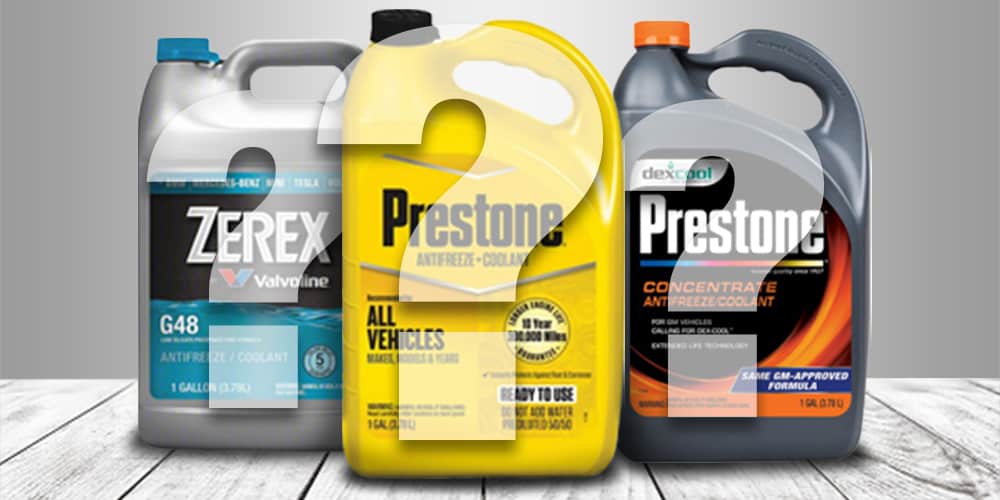
Coolant, also known as antifreeze, is arguably one of the most overlooked fluids in a vehicle. It diligently circulates through the engine, absorbing heat and preventing catastrophic overheating. But does it really matter what type of coolant you use? The short answer is a resounding yes. Choosing the wrong coolant can lead to corrosion, reduced cooling efficiency, and ultimately, major engine damage.
Understanding Coolant Types
The days of universally compatible green coolant are long gone. Modern engines utilize a variety of materials, including aluminum, magnesium, and various alloys. These materials react differently to various coolant formulations. Therefore, coolant formulations have evolved to provide the necessary protection.
Here's a breakdown of the most common types:
- Inorganic Additive Technology (IAT): This is the traditional green coolant, primarily designed for older vehicles (typically pre-1990s). IAT coolants use inorganic additives like silicates and phosphates to prevent corrosion. However, these additives deplete relatively quickly, requiring frequent coolant changes (every 2 years or 24,000 miles). Using IAT coolant in a modern vehicle is generally a bad idea, as it doesn't provide adequate protection for the newer materials.
- Organic Acid Technology (OAT): OAT coolants are typically orange or red and offer extended lifespan (up to 5 years or 150,000 miles). They rely on organic acids, such as sebacate and 2-ethylhexanoic acid (2-EHA), to inhibit corrosion. While highly effective, OAT coolants can be aggressive towards certain metals, particularly lead solder found in some older radiators. OAT coolants are generally safe for aluminum engines but should be avoided in systems with large amounts of lead solder.
- Hybrid Organic Acid Technology (HOAT): HOAT coolants bridge the gap between IAT and OAT. They combine organic acids with silicates or phosphates to provide excellent corrosion protection for a wide range of metals. HOAT coolants are often yellow, but color can vary depending on the manufacturer. These are a common choice for many modern vehicles and generally offer a good balance of protection and longevity.
- Phosphate Organic Acid Technology (POAT): Specifically designed for some Asian vehicle manufacturers, POAT coolants use phosphates and organic acids for corrosion inhibition. Using a non-POAT coolant in a vehicle requiring POAT can lead to premature corrosion, particularly in the cooling system's aluminum components.
Why Compatibility Matters
Mixing different coolant types can have disastrous consequences. The additives in different formulations can react with each other, forming a gel-like substance that clogs the cooling system. This reduces coolant flow, leading to overheating and potentially catastrophic engine damage. Furthermore, incompatible coolants can accelerate corrosion, causing leaks and requiring expensive repairs. Even seemingly minor leaks can lead to significant coolant loss and subsequent overheating.
Specifically, 2-EHA, found in some OAT coolants, is known to soften certain types of silicone seals and gaskets commonly found in older vehicles. This can lead to leaks and require extensive repairs.
How to Choose the Right Coolant
The best way to determine the correct coolant for your vehicle is to consult your owner's manual. The manual will specify the recommended coolant type and any specific requirements. If you are unsure, contact a qualified mechanic or your vehicle's manufacturer.
Pay close attention to the coolant's specification. Many coolants are marketed as "universal" or "compatible with all makes and models." While some of these may be acceptable, it's always best to verify that the coolant meets the manufacturer's specifications for your specific vehicle. Look for certifications like those from ASTM International, which set industry standards for coolant performance.
When in doubt, err on the side of caution and use the coolant recommended by the manufacturer. It's also crucial to use distilled water when mixing concentrated coolant. Tap water contains minerals that can contribute to corrosion and scale buildup within the cooling system.
Flushing and Maintenance
Regular coolant flushes are essential for maintaining a healthy cooling system. Over time, coolant degrades and loses its protective properties. A coolant flush removes old, contaminated coolant and replaces it with fresh coolant, ensuring optimal cooling performance and corrosion protection. Follow the manufacturer's recommended coolant change interval, and always dispose of used coolant properly.
Remember, coolant is a vital fluid that plays a crucial role in engine longevity. Taking the time to select the correct coolant and maintain your cooling system can save you from costly repairs down the road. Don't treat it as an afterthought; consider it an investment in your vehicle's health.