
Does K And N Air Filter Make A Difference
The question of whether a K&N air filter makes a noticeable difference in a vehicle's performance and fuel economy has been a long-standing debate among automotive enthusiasts and professionals alike. The allure of a reusable, high-flow air filter promising increased horsepower and improved MPG is certainly enticing. However, the reality is often more nuanced than the marketing hype suggests. Let's delve into the technical aspects, dissect the claims, and examine real-world evidence to determine if a K&N air filter truly delivers on its promises.
Understanding Air Filters: The Basics
Before evaluating the impact of a K&N filter, it's crucial to understand the function of a standard air filter. The primary role of any air filter is to prevent contaminants – dirt, dust, pollen, and debris – from entering the engine. These particles can cause significant damage to critical engine components, including the cylinders, pistons, valves, and even sensitive sensors like the mass airflow (MAF) sensor. A clean air filter ensures that only clean air enters the combustion chamber, promoting optimal engine function and longevity. Standard air filters are typically made of pleated paper, offering a good balance between filtration efficiency and airflow restriction. They are designed to be disposable and are replaced at regular intervals according to the vehicle manufacturer's recommendations.
The MAF sensor, for those unfamiliar, is a vital component. It measures the amount of air entering the engine, allowing the engine control unit (ECU) to precisely calculate the correct fuel mixture. A dirty MAF sensor, often caused by poor filtration, can lead to inaccurate readings, resulting in reduced fuel economy, poor performance, and even engine damage.
K&N Air Filters: Construction and Claims
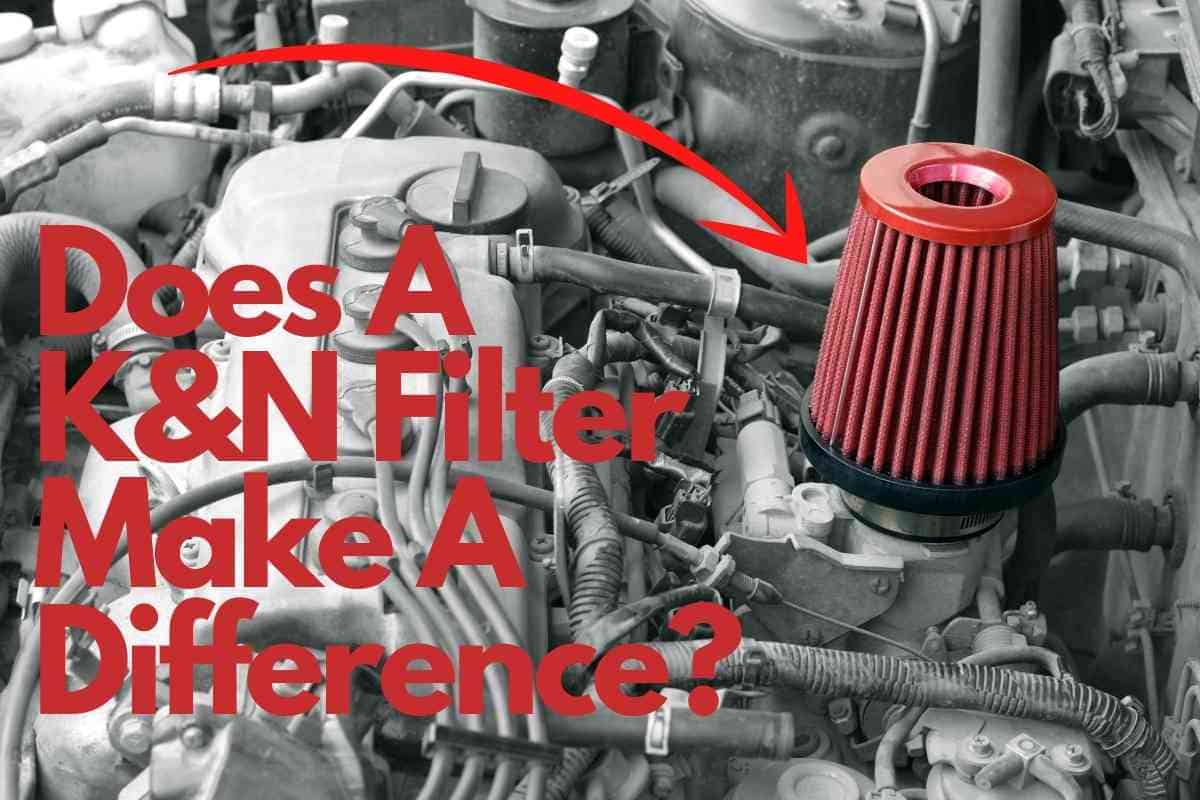
K&N air filters differ significantly from their paper counterparts. They are constructed using multiple layers of oiled cotton gauze. This design allows for a higher airflow rate compared to traditional paper filters, which K&N claims translates into increased horsepower and improved fuel economy. The oil-soaked cotton traps dirt particles, and the filter can be cleaned and re-oiled, making it a reusable alternative to disposable paper filters. This reusability is often touted as a major cost-saving advantage over the long term.
K&N Engineering makes bold claims about performance gains. They often cite dyno tests showing increases in horsepower, particularly at higher RPMs. The degree of the performance gain is directly related to how restrictive the old filter was, and the vehicle's existing intake design. They also claim the reduced restriction can lead to better throttle response, and improved MPG.
The Reality Check: Dyno Tests, MPG Gains, and Filtration Efficiency
While K&N's marketing materials often showcase impressive dyno results, it's essential to approach these figures with a healthy dose of skepticism. Independent testing often reveals that the horsepower gains are minimal, typically ranging from 1 to 5 horsepower on most stock engines. These gains are often within the margin of error for dyno testing and are unlikely to be noticeable during regular driving.
Furthermore, the claims of improved fuel economy are often difficult to substantiate in real-world driving conditions. Factors such as driving style, traffic conditions, and vehicle maintenance have a far greater impact on fuel consumption than the air filter alone. While some users may experience a slight improvement in MPG, it's often marginal and may not offset the higher initial cost of the K&N filter.
Perhaps the most crucial aspect to consider is filtration efficiency. While K&N filters offer higher airflow, they generally don't filter as well as a brand new, quality paper filter. This is the trade-off. K&N utilizes an oiled cotton gauze which can let more very fine dust and contaminants get into the engine. This has been a major point of contention, with independent tests showing that K&N filters can allow more dirt particles to pass through compared to paper filters. Some testing has even shown increased levels of silicon (a key component of dirt) in the engine oil of vehicles using K&N filters.
The Oiling Issue: A Potential Pitfall
The oiling process is crucial for the proper functioning of a K&N filter. Too little oil, and the filter won't effectively trap dirt particles. Too much oil, and the excess oil can be drawn into the intake system and contaminate the MAF sensor. A contaminated MAF sensor can lead to a host of problems, including reduced fuel economy, poor performance, and even engine damage. Proper oiling requires careful attention to detail and adherence to the manufacturer's instructions. Over-oiling is a common mistake, and it can negate any potential benefits of using a K&N filter.
Maintenance and Longevity: A Double-Edged Sword
The reusability of K&N filters is a significant advantage. Instead of replacing the filter every 12,000 to 15,000 miles (or as recommended by the vehicle manufacturer), you can clean and re-oil the K&N filter, potentially saving money over the long term. However, this also means you need to dedicate time to properly cleaning and oiling the filter. If done incorrectly, the filtration benefits are lost. The cleaning process typically involves using a special K&N cleaning solution and allowing the filter to dry completely before re-oiling. This can be a messy and time-consuming process, and it requires some mechanical aptitude.
Despite the potential for cost savings, it is necessary to consider the labor required to periodically maintain the filter. Compared to the simplicity of swapping out a paper filter, cleaning and re-oiling a K&N filter can deter some owners.
Alternatives and Considerations
For those seeking increased performance, there are other alternatives to consider besides just swapping in a K&N air filter. A full cold air intake system can provide more noticeable gains by replacing the entire air intake path, often including a larger air filter and smoother, less restrictive intake tubes. However, these systems can be more expensive and may require professional installation. It is important to be mindful of whether these full intake kits can introduce additional issues with the car's engine management or onboard diagnostic systems.
For most drivers, a high-quality paper air filter is still the best option. It provides adequate airflow, excellent filtration, and requires no maintenance beyond regular replacement. Brands like Wix, Fram, and Purolator offer a range of air filters that meet or exceed OEM specifications.
The Verdict: Does a K&N Air Filter Make a Difference?
The answer is: it depends. For the average driver, the benefits of a K&N air filter are likely to be minimal and may not justify the higher initial cost and increased maintenance requirements. The horsepower gains are typically negligible, and the fuel economy improvements are often difficult to measure. The potential for over-oiling and contaminating the MAF sensor is also a significant concern.
However, for enthusiasts who prioritize maximum airflow and are willing to meticulously maintain their K&N filter, there may be some marginal benefits. In modified vehicles with performance-tuned engines, the increased airflow of a K&N filter may contribute to slightly improved performance. But even in these cases, the gains are likely to be subtle.
Ultimately, the decision of whether to use a K&N air filter is a personal one. Consider your driving habits, vehicle type, and tolerance for maintenance. Weigh the potential benefits against the risks and costs, and make an informed decision based on your individual needs and priorities. If you are prioritizing maximum engine protection, a high quality paper filter, changed regularly, is usually the best choice.
Important Note: Always consult your vehicle's owner's manual for recommended air filter replacement intervals and specifications. Following the manufacturer's recommendations is crucial for maintaining your vehicle's performance and longevity.