
Does Nissan Have Transmission Problems
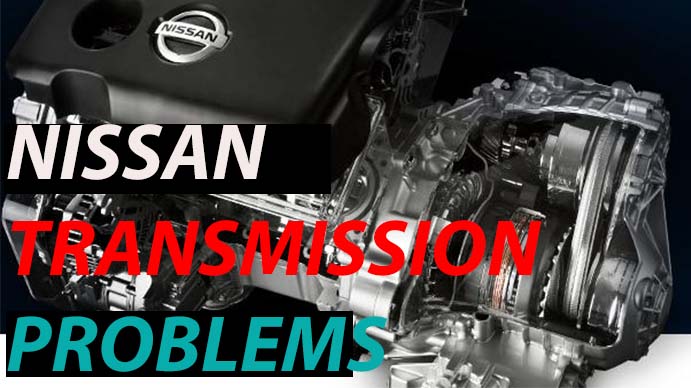
Nissan. The name conjures images of sporty Z cars, rugged Pathfinders, and the ever-present Altima. But lurking beneath the surface of some Nissan models lies a question that car enthusiasts have debated for years: Does Nissan have transmission problems? The answer, as with most things automotive, is nuanced.
The CVT Conundrum: A Deep Dive
The primary culprit behind Nissan's transmission reputation is the Continuously Variable Transmission, or CVT. Unlike traditional automatic transmissions with fixed gears, a CVT uses a belt and pulley system to offer a theoretically infinite number of gear ratios. This allows the engine to stay in its optimal powerband for maximum fuel efficiency and smooth acceleration. However, its implementation has been... controversial.
Not all CVTs are created equal. Nissan uses CVTs from Jatco, a company in which they hold a significant stake. While Jatco CVTs are found in various makes and models, Nissan's applications have received the most scrutiny.
Models Most Affected:
- Altima (2007-present, particularly 2007-2013)
- Sentra (2007-present, particularly 2013-2017)
- Rogue (2008-present, particularly 2008-2013)
- Pathfinder (2013-2020 - transitioned to 9-speed automatic)
Why the CVT Concerns?
The concerns surrounding Nissan's CVT stem from a few key factors:
- Reliability Issues: Premature wear and tear, leading to slipping, shuddering, and complete failure.
- "Rubber Band" Feel: Some drivers dislike the lack of distinct gear changes, finding the acceleration feeling disconnected and unresponsive.
- Overheating: CVTs can be susceptible to overheating under heavy load or prolonged high-speed driving, especially if not properly maintained.
CVT vs. Traditional Automatic: A Side-by-Side
| Feature | CVT (Jatco/Nissan) | Traditional Automatic (e.g., Aisin) |
|---|---|---|
| Gears | Theoretically Infinite | Fixed (e.g., 6, 8, 10) |
| Fuel Economy | Potentially Better | Generally Lower |
| Smoothness | Potentially Smoother | Stepped Shifts |
| Reliability (Historical) | More Prone to Issues | Generally More Robust |
| Driving Experience | Can Feel Disconnected ("Rubber Band") | More Engaging, Defined Shifts |
| Maintenance | Specific CVT Fluid Required, More Frequent Changes Recommended | Typically Less Frequent Fluid Changes |
Beyond the CVT: Other Transmissions in the Nissan Lineup
It's crucial to remember that Nissan offers vehicles with other transmission types. These typically have a better reliability track record than the earlier CVTs:
- Manual Transmissions: Found in Z cars, some older Altimas and Sentras. Generally reliable if properly maintained.
- Traditional Automatic Transmissions: Used in heavier-duty applications like the Titan pickup truck and the newer Pathfinder (9-speed automatic).
Model-Specific Transmission Performance & Reliability:
Nissan Altima (2013-2018, CVT):
- Pros: Smooth acceleration in normal driving, good fuel economy.
- Cons: Reported issues with shuddering, slipping, and premature failure, especially in earlier model years. The "rubber band" feel can be off-putting.
- Driving Impression: Around town, the Altima's CVT is perfectly adequate. However, when pushed hard or climbing hills, it can feel strained and unresponsive.
Nissan Rogue (2014-2020, CVT):
- Pros: Improved CVT design compared to earlier models, better fuel economy than competitors.
- Cons: Still susceptible to CVT issues, particularly with overheating under heavy load. Some drivers report whining noises.
- Driving Impression: The Rogue's CVT is better refined than the Altima's, but still lacks the responsiveness of a traditional automatic. It's adequate for daily commuting, but not for spirited driving.
Nissan Titan (All Years, Traditional Automatic):
- Pros: Robust and reliable transmission, well-suited for heavy-duty use.
- Cons: Fuel economy is lower than some competitors with more advanced transmissions.
- Driving Impression: The Titan's automatic transmission provides smooth and predictable shifts, with plenty of torque for towing and hauling.
Nissan 370Z (Manual and Automatic):
- Pros: Manual transmission is known for its durability and engaging feel. The automatic (though older) is also generally reliable.
- Cons: The automatic is dated compared to modern transmissions. Clutch wear can be an issue with the manual if driven aggressively.
- Driving Impression: The 370Z's manual transmission is a driver's delight, offering precise shifts and a direct connection to the engine. The automatic is less engaging but still performs adequately.
Mitigation Strategies: Keeping Your Nissan Transmission Happy
Regardless of the transmission type, proper maintenance is crucial. For CVT-equipped Nissans, this is even more critical:
- Frequent Fluid Changes: Adhere to Nissan's recommended CVT fluid change intervals (or even more frequent changes, especially if you drive aggressively or tow).
- Use the Correct Fluid: Using the wrong fluid can damage the CVT. Only use Nissan-specified CVT fluid.
- Avoid Overheating: Avoid prolonged high-speed driving or towing heavy loads, which can cause the CVT to overheat.
- Monitor for Symptoms: Be aware of the warning signs of CVT issues, such as shuddering, slipping, or unusual noises. Get it checked out by a qualified mechanic immediately.
The Verdict: Transmission Troubles, Fact or Fiction?
While not every Nissan suffers from transmission problems, the reputation is unfortunately deserved, primarily due to issues with the early CVT designs. However, Nissan has made improvements to their CVTs over the years, and models equipped with traditional automatics or manual transmissions are generally reliable. Pre-purchase inspection by a trusted mechanic is always recommended, especially for used Nissans with CVTs. If buying a used Nissan with a CVT, check the maintenance records carefully and look for any signs of prior transmission issues.
"Proper maintenance is the key to longevity, especially with CVTs. Don't skimp on fluid changes!"
The good news: Nissan is gradually moving away from CVTs in some models, opting for more traditional automatic transmissions. This shift suggests that they are aware of the concerns and are taking steps to address them. Also, many owners get well over 100,000 miles out of their Nissan CVTs with no issues.
Ultimately, the "Nissan transmission problem" is a complex issue with no easy answer. Research, maintenance, and informed purchasing decisions are your best defenses.
So, here's the fun part: if Nissan ditched the CVT altogether, would they lose their competitive edge in fuel economy, or would the increased reliability be worth it? Let the debate begin!