
Does Running The Air Conditioner Burn Gas
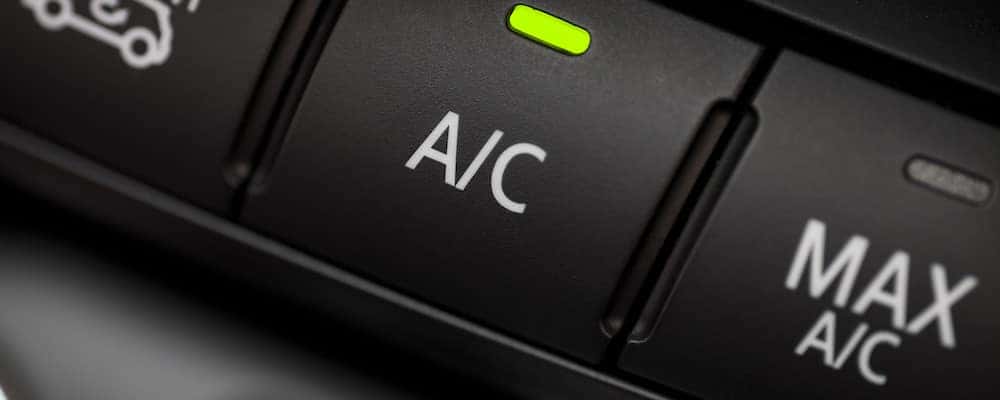
The age-old question: does blasting the A/C in your car significantly impact fuel economy? The short answer is yes, but the details are more nuanced than a simple 'yes' or 'no.' Understanding how your car's air conditioning system works and its impact on the engine is crucial for optimizing fuel efficiency, especially given fluctuating gas prices and increased environmental consciousness.
How Your Car's A/C System Works
Before diving into the fuel consumption, let's briefly examine the components of a typical automotive air conditioning system. The key players are the compressor, condenser, evaporator, and expansion valve (or orifice tube). Refrigerant circulates through this closed loop, absorbing heat from the cabin air and releasing it to the outside. The heart of the system is the compressor, which, critically, is driven by the engine.
The compressor is typically belt-driven, connected directly to the engine's crankshaft. When you switch on the A/C, the compressor engages, compressing the refrigerant and circulating it through the system. This compression process requires mechanical energy, which is drawn directly from the engine. It's this draw of energy that ultimately impacts fuel economy.
The Fuel Consumption Penalty
Because the A/C compressor is powered by the engine, engaging the air conditioning increases the engine's load. The engine control unit (ECU) senses this increased load and compensates by increasing the fuel injection, ensuring the engine maintains the necessary power output. This increased fuel consumption translates directly to a reduction in miles per gallon (MPG).
The exact fuel economy penalty varies depending on several factors, including:
- Engine Size: Smaller engines generally experience a more noticeable drop in MPG than larger engines. A small, four-cylinder engine working hard to power the A/C will show a greater percentage loss than a larger V6 or V8.
- Ambient Temperature: The hotter the outside temperature, the harder the A/C system has to work to cool the cabin, resulting in a greater fuel consumption penalty. Think of a scorching summer day versus a mild autumn afternoon.
- Vehicle Speed: At lower speeds, the A/C compressor accounts for a larger percentage of the engine's overall load. At higher speeds, aerodynamic drag becomes a more significant factor, lessening the relative impact of the A/C.
- A/C System Efficiency: Older or poorly maintained A/C systems are less efficient and require more engine power to achieve the same cooling effect.
Studies and real-world tests have shown that A/C usage can reduce fuel economy by anywhere from 5% to 20%, or even more in extreme conditions. This translates to a noticeable difference at the pump over time.
Alternatives and Mitigation Strategies
While turning off the A/C is the most direct way to save fuel, it's often not a practical option, especially in hot climates. However, there are alternative strategies to mitigate the fuel consumption penalty:
- Use Recirculation Mode: The recirculation mode (marked by a circular arrow inside a car symbol) draws air from inside the cabin rather than from outside. This reduces the load on the A/C system, as it's cooling already cooled air.
- Ventilation: On cooler days, use the ventilation system (without the A/C) to bring in fresh air. This is more efficient than running the A/C unnecessarily.
- Parking in the Shade: Parking in the shade helps reduce the cabin temperature, minimizing the initial workload on the A/C system when you start the car.
- Regular Maintenance: Ensure your A/C system is properly maintained. A refrigerant recharge and cleaning of the condenser coils can improve efficiency.
- Consider Hybrid or Electric Vehicles: Hybrid and electric vehicles often have more efficient A/C systems, sometimes utilizing electric compressors that don't directly burden the engine. They also may have systems allowing remote cabin pre-cooling to reduce the initial load.
A Mechanic's Perspective
As a mechanic, I often see vehicles with neglected A/C systems. A low refrigerant charge not only reduces cooling performance but also forces the compressor to work harder, increasing fuel consumption and potentially damaging the compressor itself. Regularly checking and maintaining your A/C system is not just about comfort; it's also about fuel efficiency and preventing costly repairs. I recommend a professional A/C system check at least every two years.
Furthermore, ensure the engine cooling system is also in top condition. Overheating can place additional load and strain on the A/C system causing it to work harder and in turn burn more gas. Don't overlook a proper maintenance and check of your cooling system.
Conclusion
Running the air conditioner definitely burns gas. The impact on fuel economy can be significant, especially in older vehicles or in extreme weather conditions. By understanding how your A/C system works and employing fuel-saving strategies, you can minimize the penalty and enjoy a comfortable driving experience without breaking the bank at the pump. A well-maintained car, including its A/C system and cooling system, is always the most efficient car.