
Does The Air Conditioner In A Car Use Gas
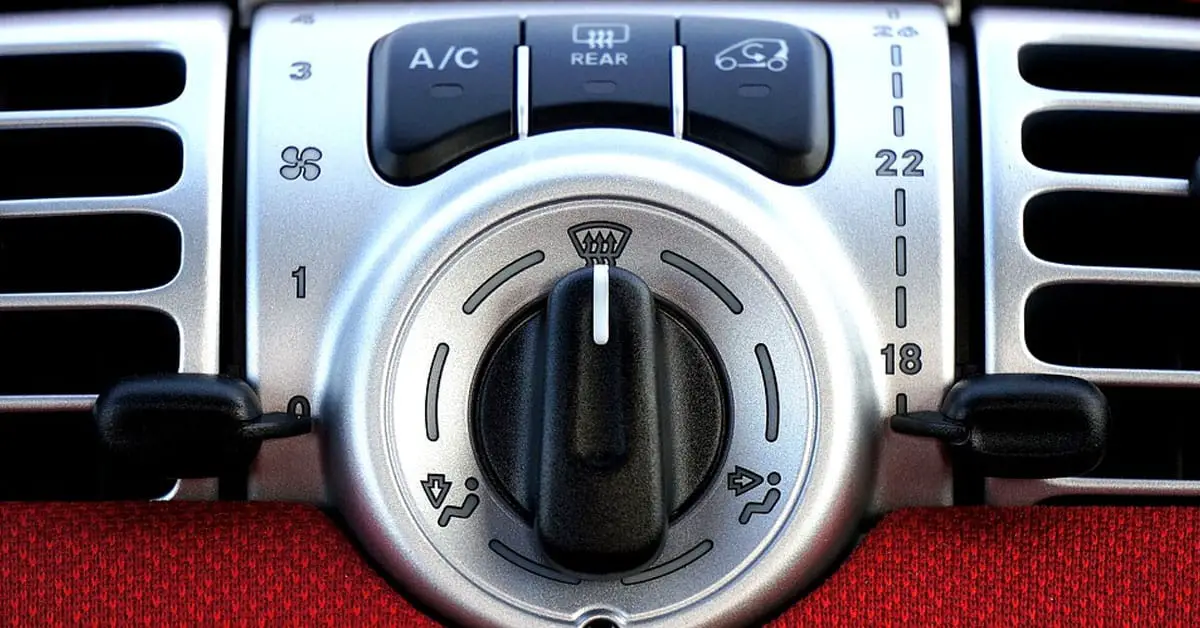
Hey folks, ever wonder if cranking up the AC in your car is like throwing money out the window, or rather, burning it along with your gas? It's a common question, and the short answer is: yes, your car's air conditioner does use gasoline. But let's dive deeper into *how* it works and *how much* fuel it actually consumes, so you can make informed decisions about your driving habits and keep your wallet happy.
Understanding the Connection: AC and Fuel Consumption
Your car's air conditioning system isn't powered by magic. It's a closed-loop system that relies on a refrigerant (like R-134a or the newer R-1234yf) to absorb heat from inside the cabin and release it outside. The heart of this system is the compressor. This compressor is a belt-driven component, meaning it's directly connected to the engine via a serpentine belt. When you turn on your AC, the compressor engages, circulating the refrigerant. That engagement draws power from the engine. Since the engine needs to generate more power to drive the compressor *in addition to* propelling the vehicle, it burns more fuel.
Think of it like this: imagine you're riding a bicycle on a flat road. That's like driving without the AC. Now, imagine you have to pull a small trailer behind you. You'll need to pedal harder and faster, expending more energy. The AC compressor is like that trailer – it adds an extra load to the engine, forcing it to work harder and consume more fuel.
Factors Affecting Fuel Consumption
The amount of fuel your AC consumes isn't a fixed number. Several factors can influence it:
- Ambient Temperature: The hotter it is outside, the harder the AC has to work to cool the cabin. This means the compressor runs more frequently and for longer periods, consuming more fuel.
- Vehicle Size and Engine: Larger vehicles with bigger engines typically experience a smaller percentage decrease in fuel economy compared to smaller cars with smaller engines. This is because larger engines have more power reserves and can handle the extra load of the AC more easily.
- AC System Condition: A poorly maintained AC system, such as one with a refrigerant leak or a clogged condenser, will be less efficient and force the compressor to work harder, increasing fuel consumption.
- Driving Habits: Aggressive driving, such as frequent acceleration and braking, already increases fuel consumption. Adding the AC to the mix will amplify this effect.
- Vehicle Speed: At higher speeds, the aerodynamic drag on the car increases significantly. The engine already needs to work harder to overcome this drag. The AC adds to this load, leading to increased fuel consumption. However, at highway speeds, sometimes the aerodynamic drag created by open windows is higher than the energy required by the AC, making the AC the more fuel-efficient option.
Estimating the Fuel Consumption Impact
So, how much gas are we talking about? The impact can vary, but generally, running your AC can decrease your fuel economy by 10-20%. In city driving, where the engine idles frequently and the AC works harder to maintain a comfortable temperature, the impact can be even higher. Some studies have shown fuel economy reductions of up to 25% in stop-and-go traffic.
For example, if your car normally gets 30 miles per gallon (MPG), using the AC might drop it to 24-27 MPG. Over a tank of gas, that can add up to a noticeable difference. Now, is that *always* a bad thing? Consider the safety and comfort benefits. Driving while exhausted or overheated can be dangerous. So, sometimes the cost of fuel is worth the improved safety and comfort.
Troubleshooting AC Problems That Increase Fuel Consumption
If you suspect your AC is excessively impacting your fuel economy, it's wise to investigate potential issues. Here are some common problems and their solutions:
- Refrigerant Leaks: This is a common issue. A leak will reduce the system's efficiency, making the compressor work harder. Tools Needed: AC manifold gauge set, leak detector (UV dye or electronic sniffer). Approximate Repair Cost: $150-$800 depending on the location and severity of the leak. This includes leak detection, repair, and refrigerant recharge.
- Clogged Condenser: The condenser, located in front of the radiator, dissipates heat. If it's clogged with debris, it can't efficiently release heat, putting extra strain on the compressor. Tools Needed: Hose, soft brush, fin comb. Approximate Repair Cost: $50 - $200 (for cleaning; replacement can be $300-$700).
- Failing Compressor: A failing compressor may not be operating at its peak efficiency, drawing more power than necessary. You might hear unusual noises, like a grinding or squealing sound. Tools Needed: Multimeter, AC manifold gauge set. Approximate Repair Cost: $400 - $1200 (including compressor replacement and refrigerant recharge).
- Faulty Expansion Valve: The expansion valve regulates the flow of refrigerant into the evaporator. A malfunctioning valve can restrict the flow, reducing cooling efficiency and increasing compressor workload. Tools Needed: AC manifold gauge set. Approximate Repair Cost: $200 - $600 (including valve replacement and refrigerant recharge).
- Blend Door Issues: A blend door controls the mix of hot and cold air entering the cabin. If it's stuck in the 'hot' position, the AC will have to work harder to cool the air. Tools Needed: Diagnostic scan tool. Approximate Repair Cost: $150 - $500 depending on the complexity of the repair (often involves replacing the blend door actuator).
Tips for Maximizing Fuel Efficiency While Using AC
Even though using the AC consumes fuel, there are ways to minimize its impact:
- Park in the Shade: If possible, park your car in the shade to reduce heat buildup inside the cabin. This will lessen the initial workload on the AC.
- Ventilate Before Cranking the AC: Before turning on the AC, open the windows and let the hot air escape for a few minutes. This will help the AC cool the cabin more quickly and efficiently.
- Use Recirculation Mode: Once the cabin is cool, switch to recirculation mode. This prevents the AC from constantly cooling hot outside air, reducing the workload on the compressor. Important Note: use sparingly as it will reduce the oxygen level in the car.
- Maintain Your AC System: Regularly inspect and maintain your AC system. Check for leaks, clean the condenser, and replace the cabin air filter as needed. A well-maintained system operates more efficiently.
- Consider Driving Style: Avoid aggressive driving habits, such as rapid acceleration and braking. Smooth, consistent driving will reduce overall fuel consumption, including the impact of the AC.
- Strategic AC Use: On shorter trips, consider whether you really *need* the AC. On longer trips, using it strategically – turning it off during cooler periods or at higher speeds when ventilation is more effective – can save fuel.
- Use "Economy" or "Eco" Mode: Many modern vehicles offer an "Economy" or "Eco" mode. This mode often adjusts the AC system to prioritize fuel efficiency, usually by slightly reducing the cooling power.
The Bottom Line: Yes, your car's AC uses gas. But by understanding how it works and employing smart driving and maintenance practices, you can minimize its impact on your fuel economy without sacrificing comfort. Regular maintenance is key, and a trustworthy mechanic can help diagnose and resolve any underlying issues that may be causing excessive fuel consumption. If you have any specific concerns about your vehicle's AC system or fuel economy, don't hesitate to consult a professional. Drive safe and stay cool!