
Driver Side Blend Door Actuator
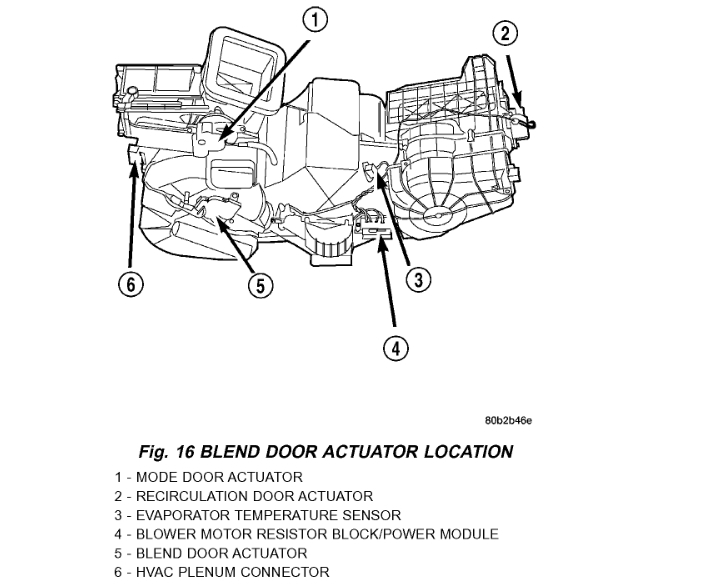
The air conditioning is blasting, but only lukewarm air is coming from the driver's side vents. Sound familiar? Chances are, you're dealing with a dreaded driver-side blend door actuator problem. This small, often overlooked component plays a crucial role in climate control, and when it fails, comfort goes right out the window – literally, if you roll it down in frustration. But not all blend door actuators are created equal. Let's delve into the fascinating, albeit frustrating, world of these little temperature controllers, focusing on the differences between models, engines, and technologies.
What Does a Blend Door Actuator Actually Do?
Before we get into the nitty-gritty, let's recap the basics. The blend door actuator is a small electric motor responsible for moving the blend door within your car's HVAC (Heating, Ventilation, and Air Conditioning) system. This door regulates the ratio of hot air from the heater core and cold air from the evaporator that flows into the cabin. By adjusting this blend, you control the temperature of the air blowing from your vents. The driver-side actuator specifically controls the temperature for the driver's side of the car, allowing for dual-zone climate control in many modern vehicles.
Variations Across Models: A Tale of Two Sedans
The specific blend door actuator used can vary significantly depending on the make and model of your car. Let's compare two popular sedans, the Honda Accord and the Toyota Camry, to illustrate these differences:
Honda Accord (8th Generation, 2008-2012)
The 8th generation Accord, a paragon of reliability, often suffers from actuator issues due to the actuator's plastic gears wearing down over time. Different engine variants don't significantly impact the actuator itself, but the accessibility of the actuator can vary. On models with the automatic climate control system, the actuator is generally more complex and potentially more expensive to replace.
Toyota Camry (XV40, 2007-2011)
The Camry, another stalwart of the mid-size sedan segment, also has its share of blend door actuator woes. While the core function remains the same, the Camry's actuator often fails due to electrical issues within the motor itself, rather than purely mechanical wear. Like the Accord, the engine type (4-cylinder vs. V6) generally doesn't impact the actuator, but the presence of dual-zone climate control adds complexity. In some Camry models, the actuator is buried deep within the dashboard, making replacement a labor-intensive job.
Here's a spec table highlighting the key differences:
| Feature | Honda Accord (2008-2012) | Toyota Camry (2007-2011) |
|---|---|---|
| Common Failure Mode | Worn Plastic Gears | Electrical Motor Failure |
| Engine Variant Impact | Minimal (Accessibility may vary) | Minimal (Dual-zone adds complexity) |
| Accessibility | Moderate (Can be challenging) | Potentially Difficult (Deep within dash) |
| Potential Cost (DIY Replacement) | $30 - $80 (Actuator only) | $40 - $90 (Actuator only) |
Engine Variations and Their (Limited) Impact
As noted above, the engine itself typically doesn't directly influence the blend door actuator. Whether you're driving a fuel-sipping 4-cylinder or a more potent V6, the actuator's primary function remains the same: to control the blend of hot and cold air. However, there are indirect effects. For example, a larger engine bay might make accessing the actuator slightly easier in some models. Furthermore, some higher-trim models with larger engines often come standard with more advanced climate control systems, which may utilize more sophisticated actuators with additional features.
Technology and Actuator Complexity: The Advent of Dual-Zone Climate Control
The biggest technological leap impacting blend door actuators is the introduction of dual-zone climate control. Single-zone systems use a single actuator to control the temperature for the entire cabin. Dual-zone systems, on the other hand, utilize separate actuators for the driver and passenger sides, allowing for independent temperature adjustments. This added functionality significantly increases the complexity of the system, requiring more precise actuators and more sophisticated control logic. The result? More potential points of failure.
Pros and Cons of Dual-Zone Climate Control:
- Pros:
- Personalized comfort for driver and passenger.
- Reduced temperature disagreements on long road trips.
- Enhanced resale value (arguably).
- Cons:
- Increased complexity and potential for failure.
- Higher repair costs when an actuator fails.
- Potential for uneven temperature distribution if not properly maintained.
Real-World Driving Impressions: The Frustration Factor
Let's be honest: a faulty blend door actuator can be a real pain, especially during extreme weather conditions. Imagine driving through a scorching summer heatwave with ice-cold air blasting from the passenger side while you're slowly roasting in the driver's seat. Or, conversely, shivering in the winter while your passenger enjoys toasty warm air. These scenarios aren't just uncomfortable; they can also be distracting and potentially dangerous. From a driver's perspective, the most frustrating aspect is the inconsistency. One minute, you might get a brief respite of cool air, and the next, you're back to feeling like you're in a sauna.
I recently experienced this firsthand in my old BMW 328i. The driver's side actuator had a mind of its own, oscillating between lukewarm and moderately cool air with no rhyme or reason. It made daily commutes a gamble. Do I bring a sweater, or shorts? It was climate control roulette! After replacing the actuator myself (a surprisingly fiddly job), the difference was night and day. Consistent, reliable cold air – a luxury I had taken for granted.
Troubleshooting Tips and Tricks
Before you resign yourself to a costly repair bill, here are a few troubleshooting tips:
- Listen for Clicking Sounds: A telltale sign of a failing actuator is a repetitive clicking or ticking sound coming from behind the dashboard. This often indicates stripped gears.
- Check for Error Codes: Use an OBD-II scanner to check for any diagnostic trouble codes (DTCs) related to the HVAC system. Codes like B1441 (for Toyota/Lexus) or similar can point directly to a blend door actuator issue.
- Test the Actuator Manually: Some actuators can be accessed and manually tested with a multimeter to check for proper voltage and resistance. Consult your vehicle's repair manual for specific instructions.
- Consider a Reset: In some cases, the HVAC system may simply need to be recalibrated or reset. Consult your owner's manual or a qualified technician for instructions.
Replacing the Actuator: DIY or Professional?
Replacing a blend door actuator can range from a relatively simple DIY project to a frustrating ordeal, depending on the vehicle and the actuator's location. If you're comfortable working with basic tools and have some mechanical aptitude, you might be able to tackle the job yourself. However, be prepared for tight spaces, potentially awkward angles, and the possibility of removing significant portions of the dashboard. If you're not confident in your abilities, it's best to leave the job to a professional.
Pro Tip: Always disconnect the negative battery cable before working on any electrical components in your car. This will help prevent accidental shorts and potential injury.
The Future of Climate Control: More Complexity or More Reliability?
As automotive technology continues to evolve, we can expect to see even more sophisticated climate control systems in the future. Features like individual zone control for rear passengers, air purification systems, and even scent diffusion are becoming increasingly common. The question is, will these advancements lead to increased complexity and potential for failure, or will manufacturers find ways to improve the reliability and durability of these systems?
Only time will tell.
Conclusion: An Ode to the Unsung Hero
The driver-side blend door actuator: a small, often overlooked component that plays a vital role in our driving comfort. While it may not be as glamorous as a turbocharged engine or a high-performance suspension, it's a critical part of the overall driving experience. So, the next time you're enjoying perfectly chilled air on a hot summer day, take a moment to appreciate the unsung hero that makes it all possible.
Now for the fun part. Which is worse: a faulty driver-side blend door actuator in the dead of winter, or a broken air conditioning compressor in the scorching summer heat? Let the debate begin!