
Dual Mass Clutch Vs Single Mass
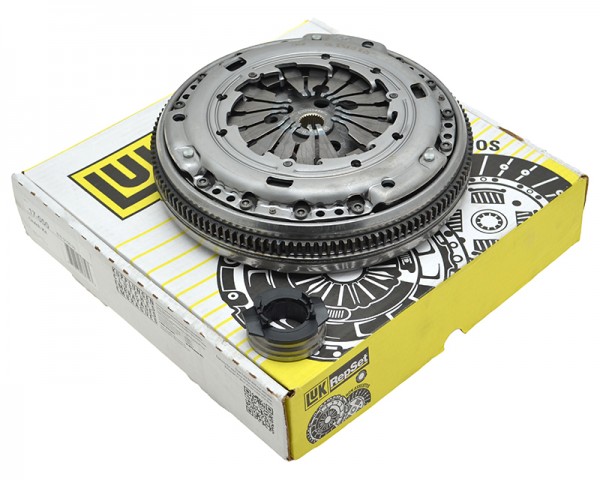
Alright, let's dive into the world of clutches, specifically the debate between Dual Mass Flywheels (DMF) and Single Mass Flywheels (SMF). You've probably heard the terms thrown around, especially if you're considering upgrading or replacing your clutch. Hopefully, this explanation will cut through the noise and give you the understanding you need to make an informed decision.
The Basics: What Does a Flywheel *Do*?
Before we compare the two types, let's recap the flywheel's job. Think of it as an energy storage device bolted to the end of your engine's crankshaft. Its primary functions are threefold:
- Inertia for Smooth Running: An engine produces power in pulses, not a smooth, continuous flow. The flywheel's mass stores rotational energy and releases it between those pulses, smoothing out the engine's operation, especially at low RPMs. This inertia helps maintain engine momentum.
- Starting the Engine: The flywheel has a toothed ring gear around its perimeter that the starter motor engages with to crank the engine.
- Clutch Interface: The flywheel provides a friction surface against which the clutch disc presses, allowing you to engage and disengage the engine from the transmission.
Dual Mass Flywheel (DMF): Sophistication and Comfort
The DMF is designed to further improve upon the traditional flywheel's function of smoothing engine vibrations. Instead of being a single solid piece of metal, it's comprised of two separate masses connected by a system of springs, dampers, and sometimes friction plates. Think of it as a rotational shock absorber.
How it Works:
The primary mass is bolted directly to the crankshaft. The secondary mass is the friction surface that the clutch disc contacts. The magic happens in the space between them. The springs and dampers are tuned to absorb and dampen torsional vibrations – the twisting and untwisting forces generated by the engine's combustion cycle. These vibrations can cause noise, driveline lash (that "clunk" you sometimes feel when shifting), and general discomfort.
Technical Point: The torsional stiffness of the DMF (its resistance to twisting) is carefully engineered to match the engine's characteristics. A softer (less stiff) DMF will absorb more vibrations.
Advantages of DMFs:
- Reduced Noise and Vibration: This is the biggest selling point. DMFs significantly reduce noise, vibration, and harshness (NVH), leading to a smoother, quieter, and more comfortable driving experience.
- Protection of the Transmission: By absorbing vibrations, the DMF reduces stress on the transmission's gears and synchronizers, potentially extending its lifespan.
- Easier Low-Speed Driving: The smoother power delivery makes it easier to pull away from a standstill and drive smoothly at low speeds, reducing engine lugging and stalling.
Disadvantages of DMFs:
- Complexity and Cost: DMFs are more complex to manufacture than SMFs, which translates to a higher purchase price.
- Durability Concerns: The internal components (springs, dampers, etc.) of a DMF can wear out over time, especially in high-performance applications or with aggressive driving. Common failure signs include rattling noises, difficulty shifting, and clutch slippage.
- Non-Rebuildable: Most DMFs are not designed to be rebuilt. Once they fail, they need to be replaced entirely.
- Heavier than Some SMFs: While not always the case, some DMFs can be heavier than performance-oriented SMFs, potentially impacting engine responsiveness (though the difference is often negligible).
Single Mass Flywheel (SMF): Simplicity and Strength
The SMF is the traditional flywheel design. It's a single, solid piece of metal (typically steel or aluminum) that bolts directly to the crankshaft. Its design is simple, robust, and relatively inexpensive.
How it Works:
There's not much to explain here. The SMF's mass provides the inertia needed for smooth engine running, and its friction surface allows the clutch to engage and disengage the engine from the transmission. It does not actively dampen torsional vibrations like a DMF.
Advantages of SMFs:
- Simplicity and Reliability: With no internal moving parts, SMFs are incredibly durable and less prone to failure than DMFs.
- Lower Cost: SMFs are generally significantly cheaper to purchase than DMFs.
- Rebuildable (Sometimes): The friction surface of an SMF can often be resurfaced (machined flat) if it becomes worn or damaged, extending its lifespan.
- Lighter Weight Options: Performance-oriented SMFs are often made from lightweight materials like aluminum, reducing rotational inertia and improving engine responsiveness.
- Higher Torque Capacity: Generally, SMFs, especially when paired with performance clutches, can handle significantly more torque than stock DMF setups.
Disadvantages of SMFs:
- Increased Noise and Vibration: This is the main drawback. SMFs transmit more engine vibrations to the drivetrain, resulting in increased noise, driveline lash, and potentially a less comfortable driving experience.
- Potential for Gear Rattle: In some vehicles, especially those originally equipped with DMFs, installing an SMF can exacerbate gear rattle – a characteristic rattling noise from the transmission at idle with the clutch engaged. This is caused by the transmission gears vibrating due to the lack of torsional damping.
- Harsher Clutch Engagement: The lack of damping can make clutch engagement feel more abrupt and less forgiving, especially for novice drivers.
Choosing Between DMF and SMF: The Key Considerations
So, which flywheel is right for you? Here's a breakdown of the key factors to consider:
- Intended Use:
- Daily Driver: If comfort and quietness are priorities, stick with a DMF (or a high-quality replacement).
- Performance Vehicle: If you're building a track car or a heavily modified street car, an SMF is often the better choice due to its durability and potential for weight reduction and higher torque capacity.
- Towing/Hauling: SMFs are generally preferred for heavy-duty applications due to their robustness.
- Engine Modifications: If you've significantly increased your engine's power output, especially its torque, an SMF is often necessary to handle the increased stress.
- Budget: SMFs are generally more affordable.
- Tolerance for Noise and Vibration: Are you sensitive to NVH? If so, a DMF is the way to go. If you're willing to trade some comfort for performance and reliability, an SMF might be a good option.
- Gearbox Type: Some gearboxes are more prone to gear rattle than others when paired with an SMF. Research your specific vehicle and transmission.
Important Considerations When Converting from DMF to SMF:
If you're considering converting from a DMF to an SMF, keep the following in mind:
- Clutch Kit: You'll need a complete clutch kit designed for use with an SMF. This will typically include the flywheel, clutch disc, pressure plate, and release bearing. The clutch disc might have sprung hub which can further reduce some driveline vibration.
- Gear Rattle Mitigation: Some manufacturers offer SMF clutch kits with features designed to minimize gear rattle, such as sprung hub clutch discs or modified flywheel designs. These can help reduce the noise.
- Professional Installation: While experienced DIYers can often handle a clutch replacement, converting from DMF to SMF is best left to a professional, especially if you're unsure about the compatibility of the kit or the potential for gear rattle.
In Conclusion:
The choice between a DMF and an SMF depends on your specific needs and priorities. The DMF offers a smoother, quieter, and more comfortable driving experience, while the SMF provides greater durability, performance potential, and often a lower price point. Carefully consider the factors outlined above before making your decision.
Hopefully, this has clarified the differences between these two types of flywheels. Good luck with your clutch upgrade!