
Engine Oil Pressure Switch Location
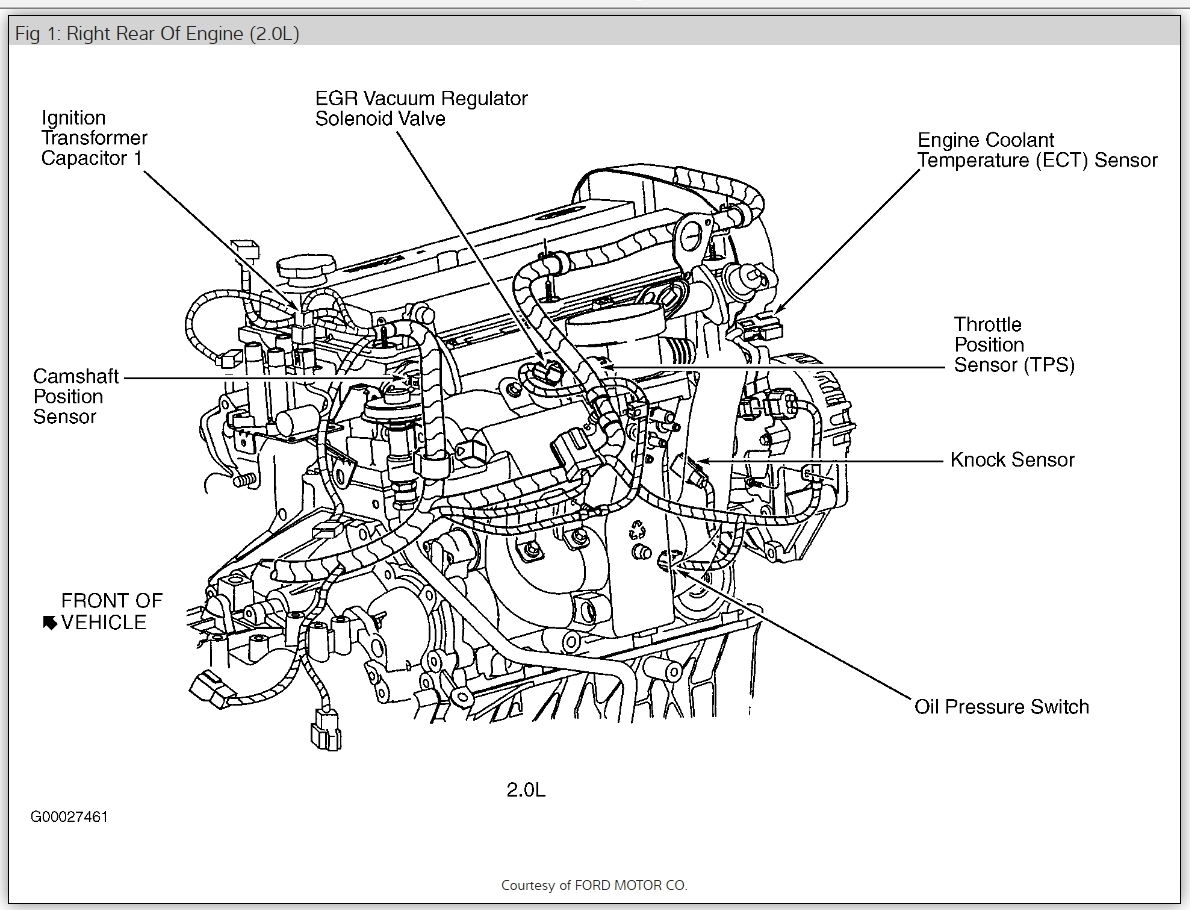
The engine oil pressure switch, a seemingly simple component, plays a crucial role in safeguarding the heart of any internal combustion engine. Its primary function is to monitor the lubricating oil pressure and alert the driver to dangerously low levels that could lead to catastrophic engine damage. Understanding its location, technical specifications, engineering choices surrounding its design, and its performance in the real world is paramount for automotive professionals. This article delves into these aspects, comparing the oil pressure switch with alternative monitoring methods, discussing reliability, maintenance, and future trends.
Location, Location, Location: Placement Considerations
The location of the oil pressure switch is far from arbitrary. Engineers carefully consider several factors when deciding where to position it on the engine. The ideal location must provide an accurate representation of the engine's oil pressure, be easily accessible for maintenance and replacement, and be protected from extreme temperatures and vibrations. Several common locations exist:
- Near the Oil Filter: This is a frequently chosen spot as it's close to the oil pump and provides a relatively clean reading of the oil pressure after the oil has passed through the filter. The proximity to the filter also simplifies maintenance procedures, as the switch is often accessible when the filter is being replaced.
- On the Engine Block (Main Oil Gallery): Tapping into the main oil gallery offers a direct reading of the oil pressure being distributed throughout the engine. This placement provides a more comprehensive overview compared to the location near the filter. However, accessibility may be more challenging depending on engine design.
- On the Cylinder Head: In some engines, particularly those with complex oiling systems involving overhead camshafts, the oil pressure switch might be located on the cylinder head to monitor oil pressure at the top of the engine. This placement is often seen in engines where maintaining adequate lubrication to the valvetrain is critical.
The exact location is dictated by engine design, available space, and the manufacturer's specific requirements. Consulting the vehicle's service manual is always the best way to pinpoint the oil pressure switch's precise location.
Technical Specifications and Engineering Choices
Switch Types: Open vs. Closed
Oil pressure switches are generally designed as either normally open or normally closed. A normally open switch completes the circuit and illuminates the warning light only when the oil pressure drops below a pre-defined threshold (typically around 5-7 PSI). A normally closed switch, conversely, keeps the circuit closed and the warning light off under normal oil pressure conditions. When the pressure drops below the threshold, the switch opens, breaking the circuit and illuminating the warning light.
The choice between normally open and normally closed depends on the vehicle's electrical system design and the manufacturer's fail-safe philosophy. Normally closed switches are often favored in critical applications because a wire disconnection or switch failure will trigger the warning light, providing an extra layer of safety.
Pressure Thresholds and Tolerance
The pressure threshold, the point at which the switch activates, is a crucial specification. This threshold is carefully chosen to provide adequate warning without triggering false alarms during normal engine operation. Tolerance is equally important; a switch with a wide tolerance range might activate prematurely or fail to activate when it should. Modern switches typically have tight tolerances to ensure accuracy and reliability.
Construction Materials
The oil pressure switch is exposed to harsh conditions, including high temperatures, oil exposure, and vibrations. Therefore, robust construction materials are essential. Common materials include:
- Brass: Used for the switch body due to its corrosion resistance and machinability.
- Stainless Steel: Employed for internal components like the diaphragm and spring, offering excellent resistance to corrosion and wear.
- Nitrile Rubber (NBR): Utilized for seals and diaphragms due to its oil resistance and flexibility.
- Thermoplastic Polymers: Increasingly used for housings and connectors due to their durability, lightweight nature, and resistance to chemicals.
The selection of appropriate materials ensures the switch can withstand the rigors of the engine environment and provide reliable performance over its lifespan.
Real-World Performance and Comparison with Alternatives
In real-world scenarios, the oil pressure switch provides a simple yet effective method for monitoring oil pressure. It's a cost-effective solution that alerts the driver to potential problems before they escalate into major engine damage. However, it has limitations. The standard oil pressure switch only provides a binary indication: pressure is either above or below the threshold. It doesn't provide continuous pressure readings.
Alternatives to the Simple Oil Pressure Switch
Several alternatives offer more sophisticated oil pressure monitoring capabilities:
- Oil Pressure Sensors/Transducers: These devices provide a continuous analog or digital signal proportional to the oil pressure. This signal can be displayed on a gauge in the instrument cluster or fed into the engine control unit (ECU) for more advanced monitoring and diagnostics. This offers a much more granular view of the engine's oil pressure.
- Oil Level Sensors: While not directly related to oil pressure, oil level sensors alert the driver to low oil levels, which can contribute to low oil pressure. They offer a complementary safety net.
Pros and Cons of Oil Pressure Switches vs. Sensors
Oil Pressure Switch:
Pros:Cons:
- Simple and reliable
- Cost-effective
- Easy to install and maintain
- Provides only a binary indication of oil pressure
- Doesn't provide continuous pressure readings
- Limited diagnostic capabilities
Oil Pressure Sensor/Transducer:
Pros:Cons:
- Provides continuous pressure readings
- Offers more detailed information for diagnostics
- Can be integrated with the ECU for advanced monitoring
- More complex and expensive
- Requires more sophisticated wiring and electronics
- Potentially more prone to failure due to increased complexity
Reliability and Maintenance
Oil pressure switches are generally reliable components, but they are not immune to failure. Common failure modes include:
- Diaphragm Failure: The diaphragm can become brittle and crack over time, leading to inaccurate readings or complete failure.
- Electrical Contact Problems: Corrosion or contamination can affect the electrical contacts, causing intermittent or no signal.
- Mechanical Damage: Physical damage to the switch body or connector can also lead to failure.
Regular maintenance is essential to ensure the oil pressure switch functions correctly. This includes:
- Visual Inspection: Check for any signs of damage, corrosion, or oil leaks around the switch.
- Electrical Connection Check: Ensure the electrical connector is clean and securely attached.
- Testing: Use a multimeter to verify the switch's continuity and functionality. Specialized tools can also be used to simulate oil pressure and test the switch's activation point.
- Replacement: If the switch is suspected of malfunctioning or is beyond its expected lifespan, replace it with a new, high-quality unit.
When replacing an oil pressure switch, always use the correct part number specified by the vehicle manufacturer. Using an incorrect switch can lead to inaccurate readings and potentially damage the engine.
Future Trends
The future of oil pressure monitoring is likely to involve increased integration with vehicle electronics and a shift towards more sophisticated sensor technologies. Some trends to watch include:
- Smart Sensors: Oil pressure sensors with built-in microprocessors that can perform self-diagnostics and communicate directly with the vehicle's ECU. These sensors can provide more accurate and reliable readings and alert the driver to potential problems before they become critical.
- Predictive Maintenance: Using data from oil pressure sensors and other engine sensors to predict potential failures and schedule maintenance proactively. This can help prevent costly repairs and extend the lifespan of the engine.
- Advanced Diagnostic Capabilities: Integrating oil pressure monitoring with advanced diagnostic systems that can pinpoint the root cause of oil pressure problems more quickly and accurately.
- Miniaturization: Smaller, more compact oil pressure sensors that can be easily integrated into modern engine designs.
The increasing complexity of modern engines and the growing demand for improved fuel efficiency and reduced emissions are driving the need for more sophisticated oil pressure monitoring systems. As technology advances, we can expect to see even more innovative solutions emerge in the years to come.
Conclusion
The oil pressure switch, despite its seemingly simple design, remains a vital component in ensuring engine longevity. As the automotive industry continues its relentless march toward electrification and increasingly complex internal combustion engine designs, the role of accurate and reliable oil pressure monitoring will only become more critical. Automotive professionals must stay abreast of the latest advancements in sensor technology and diagnostic techniques to effectively service and maintain these systems. The future of engine lubrication management lies in a proactive, data-driven approach, leveraging sophisticated sensors and advanced analytics to optimize engine performance and prevent costly failures. The humble oil pressure switch, in its evolved forms, will continue to play a central role in this ongoing evolution.