
Ethanol Free Gas Small Engines
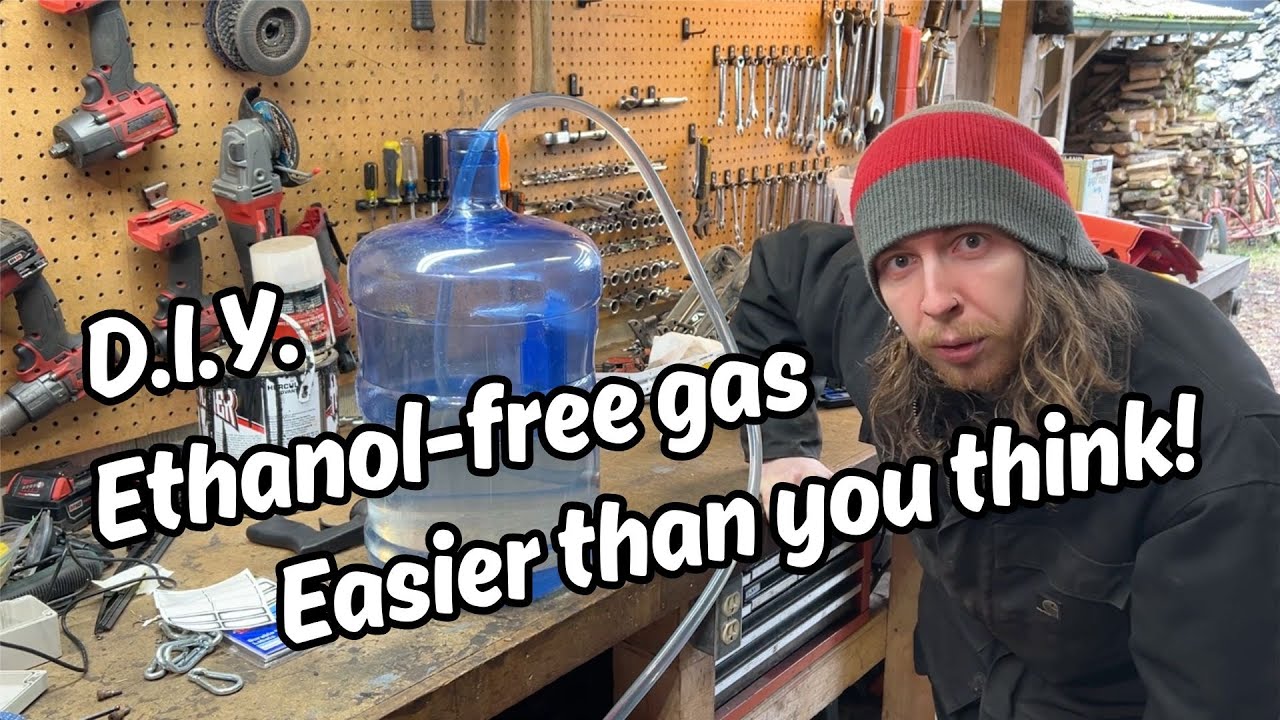
Ethanol-blended gasoline, while touted as a renewable fuel source, can wreak havoc on small engines. From lawnmowers and leaf blowers to chainsaws and generators, these machines are often designed with fuel systems that aren't compatible with the corrosive properties of ethanol. The good news is that many of these issues are preventable or repairable. Let's dive into some common problems and practical solutions.
The Ethanol Problem: Why It Hurts Your Small Engine
Ethanol is an alcohol added to gasoline. It's used to increase octane and reduce emissions. However, it also attracts water, causing phase separation. This is where the ethanol and water separate from the gasoline, forming a corrosive, gooey mess that settles at the bottom of your fuel tank. Here's why that's bad:
- Corrosion: Ethanol can corrode rubber and plastic components in your fuel system, leading to leaks and failures.
- Clogged Carburetors: The residue left behind by evaporating ethanol can clog the tiny passages in your carburetor, causing starting and running problems.
- Water Absorption: Ethanol attracts moisture, which can lead to rust and corrosion inside the engine. This water, when mixed with the fuel and sitting unused, will cause significant problems in your engine.
- Fuel Line Degradation: Ethanol can deteriorate fuel lines, causing them to crack and leak, which leads to fuel starvation.
Common Symptoms of Ethanol Damage
Recognizing the symptoms early can save you time and money. Here are some telltale signs of ethanol damage:
- Hard Starting: The engine cranks but struggles to start, often requiring multiple attempts.
- Rough Running: The engine runs unevenly, sputters, or stalls frequently.
- Loss of Power: The engine lacks its usual power, especially under load.
- Fuel Leaks: You may notice fuel leaking from the fuel lines, carburetor, or fuel tank.
- Visible Residue: You might see a gummy, varnish-like substance in the fuel tank or carburetor.
Solutions: Getting Your Engine Back on Track
Fortunately, you can often address these problems yourself. Here's a breakdown of common fixes:
1. Fuel System Cleaning
This is often the first step in addressing ethanol-related issues. A thorough cleaning can remove deposits and restore proper fuel flow.
Tools Needed:
- Carburetor cleaner spray
- Screwdrivers (various sizes, including possibly Torx)
- Pliers
- Small brushes (like toothbrush or carburetor cleaning brushes)
- Compressed air (optional, but helpful)
- Safety glasses
- Gloves
Procedure:
- Safety First: Disconnect the spark plug wire to prevent accidental starting.
- Remove the Carburetor: Carefully detach the carburetor from the engine. Take pictures as you disassemble it – it helps to put it back together correctly!
- Disassemble the Carburetor: Carefully remove the fuel bowl, jets, and other removable components. Pay close attention to the order and orientation of each part.
- Clean the Components: Spray all parts with carburetor cleaner, paying close attention to the jets and small passages. Use small brushes to scrub away any deposits.
- Blow Out Passages: Use compressed air to blow out any remaining debris from the jets and passages (wear safety glasses!).
- Reassemble the Carburetor: Carefully reassemble the carburetor, referring to your disassembly photos.
- Reinstall the Carburetor: Reattach the carburetor to the engine.
- Test Run: Reconnect the spark plug wire and try starting the engine. It may take a few attempts to prime the carburetor.
Approximate Cost: Carburetor cleaner spray costs around $5-$10. A carburetor rebuild kit (containing new gaskets and jets) typically costs $10-$30.
2. Fuel Line Replacement
If your fuel lines are cracked, brittle, or leaking, they need to be replaced.
Tools Needed:
- New fuel line (ensure it's the correct diameter)
- Utility knife or hose cutter
- Pliers (for removing old clamps)
- Screwdrivers (for tightening new clamps)
Procedure:
- Drain the Fuel Tank: Drain any remaining fuel from the tank.
- Remove the Old Fuel Line: Carefully disconnect the old fuel line from the fuel tank and carburetor.
- Measure and Cut: Measure the length of the old fuel line and cut the new fuel line to the same length.
- Install the New Fuel Line: Attach the new fuel line to the fuel tank and carburetor, securing it with new clamps.
- Check for Leaks: Add fuel to the tank and check for any leaks.
Approximate Cost: Fuel line typically costs a few dollars per foot. Clamps cost a few cents each. Total cost is usually under $20.
3. Fuel Filter Replacement
A clogged fuel filter can restrict fuel flow and cause starting and running problems. Replace it regularly to keep your engine running smoothly.
Tools Needed:
- New fuel filter
- Pliers (for removing clamps)
Procedure:
- Locate the Fuel Filter: The fuel filter is typically located in the fuel line between the fuel tank and the carburetor.
- Remove the Old Fuel Filter: Disconnect the fuel line from both ends of the filter. Note the direction of flow (usually indicated by an arrow on the filter).
- Install the New Fuel Filter: Connect the fuel line to the new filter, making sure to install it in the correct direction of flow.
- Secure the Connections: Secure the fuel lines with clamps.
Approximate Cost: Fuel filters typically cost $5-$15.
4. Fuel Stabilizer
Prevention is key! Add a fuel stabilizer to your gasoline, especially if you won't be using the equipment for an extended period (like over the winter). Fuel stabilizer prevents fuel from breaking down and forming gum and varnish deposits.
How to Use:
- Follow the instructions on the fuel stabilizer bottle.
- Typically, you'll add a small amount of stabilizer to the fuel tank.
- Run the engine for a few minutes to circulate the stabilized fuel through the system.
Approximate Cost: A bottle of fuel stabilizer typically costs $10-$20 and treats several gallons of fuel.
5. Using Ethanol-Free Fuel
The best solution is to use ethanol-free fuel in your small engines. While it might be slightly more expensive, the long-term benefits outweigh the cost. Look for "recreational fuel" or "premium non-ethanol" at gas stations, marinas, or hardware stores. Using ethanol-free fuel eliminates the risk of ethanol-related problems altogether.
Where to Find It:
- Check with local gas stations; some offer ethanol-free options.
- Marinas often carry ethanol-free fuel for boats.
- Hardware stores may sell pre-mixed ethanol-free fuel specifically for small engines.
Cost: Ethanol-free fuel is generally more expensive per gallon than E10 (10% ethanol) fuel.
When to Call a Professional
While many ethanol-related problems can be resolved with DIY repairs, some situations warrant professional help:
- Extensive Corrosion: If you find significant corrosion throughout the fuel system or engine, a professional may be needed to assess the damage and perform more extensive repairs.
- Engine Damage: If the engine has suffered internal damage due to water or corrosion, a professional engine rebuild or replacement may be necessary.
- You're Uncomfortable: If you're not comfortable performing the repairs yourself, it's always best to seek professional assistance.
Approximate Cost of Professional Repair: The cost of professional repair can vary widely depending on the extent of the damage. A simple carburetor cleaning might cost $50-$100, while a complete engine rebuild could cost several hundred dollars.
Prevention is the Best Medicine
The best way to avoid ethanol-related problems is to take preventative measures:
- Use Ethanol-Free Fuel: If available and feasible, use ethanol-free fuel in your small engines.
- Use Fuel Stabilizer: Add fuel stabilizer to your gasoline, especially before storing your equipment for extended periods.
- Drain the Fuel Tank: If you're storing your equipment for the winter, drain the fuel tank completely to prevent fuel from deteriorating and leaving behind deposits.
- Regular Maintenance: Perform regular maintenance on your equipment, including cleaning or replacing the fuel filter and spark plug.
By understanding the risks of ethanol and taking proactive steps, you can keep your small engines running smoothly for years to come. Remember to always prioritize safety when working on your equipment, and don't hesitate to seek professional help when needed. Good luck!