
Ford Focus Motor Mount Replacement Cost
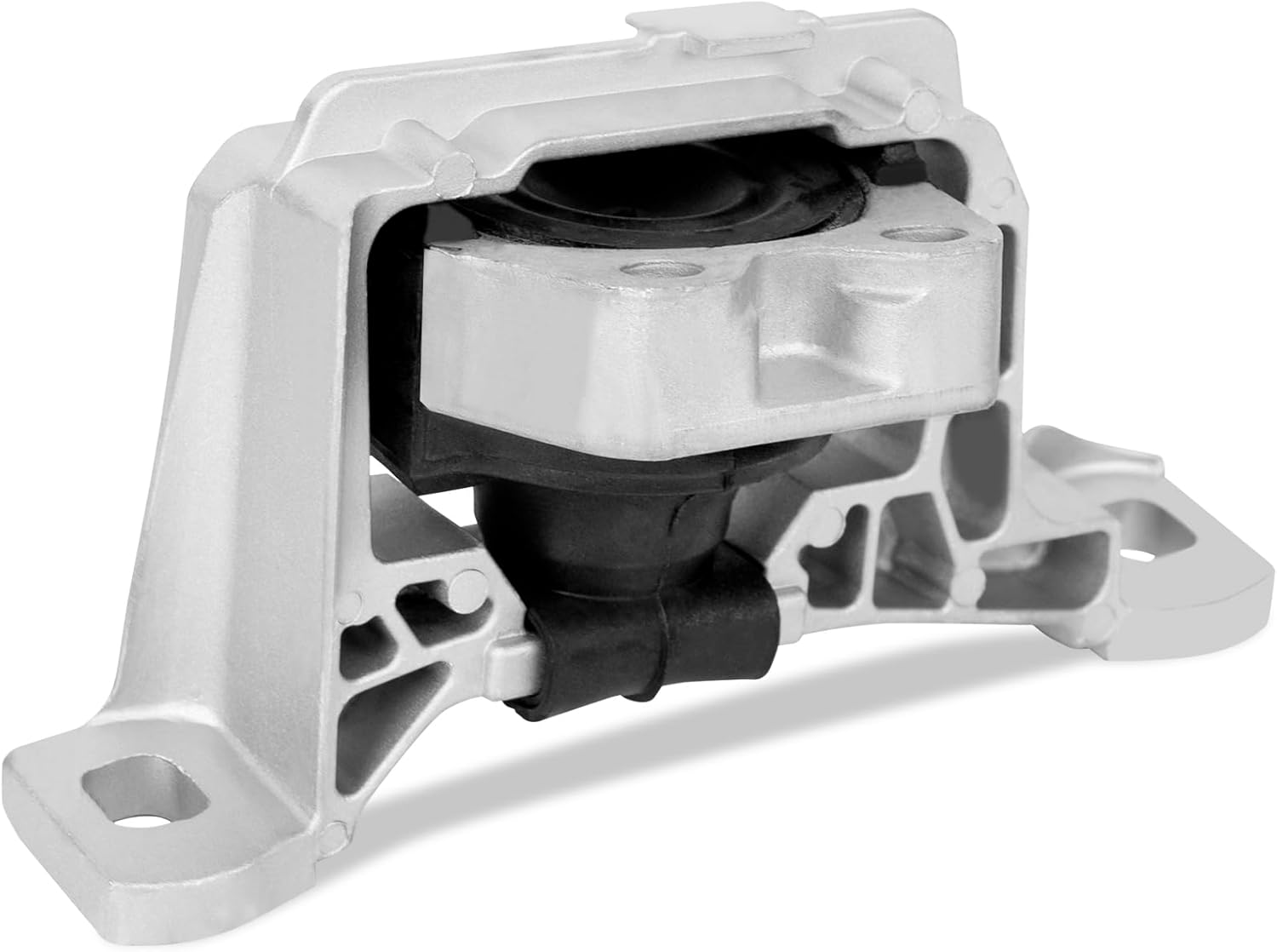
The Ford Focus, a global compact car that captured hearts with its practicality and surprising driving dynamics, is no stranger to the routine maintenance demands of any well-loved vehicle. One of those inevitable chores? Replacing the motor mounts. But before you resign yourself to sticker shock, let's dive deep into what you can expect the Ford Focus motor mount replacement cost to be, and how it can vary depending on your specific Focus.
Understanding Motor Mounts: The Unsung Heroes
Motor mounts are the silent (until they fail!) workhorses that secure the engine and transmission to the car's chassis. They're typically made of rubber and/or polyurethane, designed to absorb vibrations and dampen noise, preventing them from rattling your teeth out on every commute. Over time, these mounts degrade due to heat, age, and the relentless forces exerted by the engine. When they fail, you'll likely experience increased vibrations, clunking noises during acceleration or deceleration, and even potential engine movement under the hood – none of which are desirable.
Cost Breakdown: Factors at Play
The overall cost of replacing your Ford Focus motor mounts hinges on several key factors:
- Model Year and Trim Level: Different generations of the Focus and even varying trim levels within a single generation can utilize different motor mount designs. A base model Focus from the early 2000s will likely have cheaper, simpler mounts compared to a later model Focus ST or RS.
- Engine Type: The engine nestled under your Focus's hood significantly impacts the motor mount configuration. A naturally aspirated 2.0L engine will have different mounts than a turbocharged 2.3L EcoBoost. The more powerful engines often require more robust (and therefore more expensive) mounts.
- Mount Type (OEM vs. Aftermarket): You'll have a choice between Original Equipment Manufacturer (OEM) mounts and aftermarket options. OEM mounts are generally more expensive but offer guaranteed fitment and factory-level performance. Aftermarket mounts can be cheaper, but quality can vary wildly. Performance-oriented aftermarket mounts, like those made of stiffer polyurethane, can improve handling but may introduce more vibration into the cabin.
- Labor Costs: Labor rates vary depending on your location and the mechanic's expertise. Replacing motor mounts can be a straightforward job for experienced technicians, but some mounts can be more difficult to access, increasing labor time.
Spec Table: Estimated Costs
Keep in mind these are *estimates* and can vary based on your location and specific repair shop.
| Model Year/Engine | Mount Type | Estimated Part Cost (per mount) | Estimated Labor Cost (per mount) | Total Estimated Cost (per mount) |
|---|---|---|---|---|
| 2000-2007 Focus (2.0L Zetec) | OEM | $50 - $80 | $80 - $150 | $130 - $230 |
| 2008-2011 Focus (2.0L Duratec) | OEM | $60 - $90 | $80 - $150 | $140 - $240 |
| 2012-2018 Focus (2.0L GDI) | OEM | $70 - $110 | $100 - $180 | $170 - $290 |
| 2013-2018 Focus ST (2.0L EcoBoost) | OEM | $90 - $150 | $100 - $200 | $190 - $350 |
| 2016-2018 Focus RS (2.3L EcoBoost) | OEM | $120 - $200 | $120 - $250 | $240 - $450 |
| All Models | Aftermarket (Standard) | $30 - $70 | $80 - $150 | $110 - $220 |
| All Models | Aftermarket (Performance Polyurethane) | $80 - $180 | $100 - $200 | $180 - $380 |
OEM vs. Aftermarket: A Deeper Dive
Choosing between OEM and aftermarket motor mounts can be a tricky decision. Here's a breakdown to help you weigh the pros and cons:
OEM Motor Mounts
- Pros:
- Guaranteed fitment and performance.
- Designed to match the factory ride quality.
- Often come with a warranty.
- Cons:
- Higher initial cost.
- May not be the best option for performance upgrades.
Aftermarket Motor Mounts (Standard)
- Pros:
- Lower cost compared to OEM.
- Wide variety of brands and options available.
- Cons:
- Quality can vary significantly. Research is key!
- Fitment may not be perfect in some cases.
- May not last as long as OEM mounts.
Aftermarket Motor Mounts (Performance Polyurethane)
- Pros:
- Stiffer material reduces engine movement, improving handling.
- Can handle higher horsepower and torque.
- Cons:
- Increased vibration and noise in the cabin.
- Can transmit more harshness to the chassis.
- May not be suitable for daily drivers focused on comfort.
Real-World Driving Impressions: Making the Right Choice
My experience replacing the motor mounts on my 2014 Focus SE (2.0L GDI) highlights the importance of informed decision-making. Initially, I opted for cheaper aftermarket mounts. While the initial cost savings were appealing, I quickly regretted it. The vibrations were noticeably harsher, especially at idle, and a low-frequency drone developed at highway speeds. Eventually, I bit the bullet and installed OEM mounts. The difference was night and day. The smooth, quiet ride I remembered returned, and the peace of mind knowing I had quality components was worth the extra investment. For a daily driver, OEM or a high-quality aftermarket mount that prioritizes vibration damping is crucial.
Conversely, a friend with a heavily modified Focus ST installed polyurethane motor mounts. He loves the improved throttle response and reduced wheel hop during hard acceleration. However, he admits the increased NVH (noise, vibration, and harshness) is a trade-off he's willing to accept for the performance gains. If performance is your primary goal, and you're prepared to sacrifice some comfort, polyurethane mounts can be a worthwhile upgrade.
Final Thoughts: A Matter of Preference
Replacing your Ford Focus motor mounts is an essential maintenance item, but the cost can vary significantly based on several factors. By understanding the different options available and considering your driving needs and preferences, you can make an informed decision that keeps your Focus running smoothly and comfortably.
Now, let's get a little controversial: Would you rather spend the extra money on OEM motor mounts for guaranteed comfort and longevity, or roll the dice with cheaper aftermarket options and potentially gamble on ride quality? Let the debate begin!