
Front Wheel Drive New Tires Front Or Back
The age-old question plaguing front-wheel-drive (FWD) vehicle owners: when replacing just two tires, should they go on the front or the back? The answer, while seemingly simple, involves a complex interplay of physics, handling dynamics, and safety considerations. For the vast majority of FWD vehicles driven on public roads, the correct answer is rear.
To understand why, we need to delve into the principles of oversteer and understeer. Understeer, the tendency of a vehicle to resist turning and plow straight ahead in a corner, is generally considered safer for the average driver. It's more predictable and easier to correct. Oversteer, on the other hand, is when the rear of the vehicle loses traction and swings out, potentially leading to a spin. While skilled drivers can manage oversteer, it can be treacherous for inexperienced drivers.
The Risk of Rear-Tire Hydroplaning
The primary reason for placing new tires on the rear axle of a FWD vehicle is to mitigate the risk of hydroplaning. Hydroplaning occurs when a tire encounters more water than it can displace, resulting in a loss of contact with the road surface. New tires, with their deeper tread depth, are significantly more effective at channeling water away from the tire contact patch than worn tires. Placing the newer tires on the rear ensures that the rear axle has a better chance of maintaining traction in wet conditions.
Imagine this scenario: you're driving in the rain with new tires on the front and worn tires on the rear. As you enter a corner, the front tires, with their superior grip, bite into the pavement. However, the worn rear tires struggle to displace the water, leading to a loss of traction and potential oversteer. This situation is particularly dangerous because the driver might not anticipate the sudden loss of rear grip, making it difficult to react and maintain control.
Counteracting Understeer? A Misconception
Some argue that placing new tires on the front of a FWD vehicle improves braking and acceleration, thereby counteracting understeer. While it's true that new tires offer better grip for both braking and acceleration, the benefits are overshadowed by the increased risk of oversteer in wet conditions. Furthermore, FWD vehicles already tend to understeer, and exacerbating this tendency by placing the better tires up front isn't necessarily desirable. Modern vehicle safety systems like Electronic Stability Control (ESC) are designed to manage understeer, but they are less effective at preventing or correcting sudden oversteer.
Tire Wear and Rotation Considerations
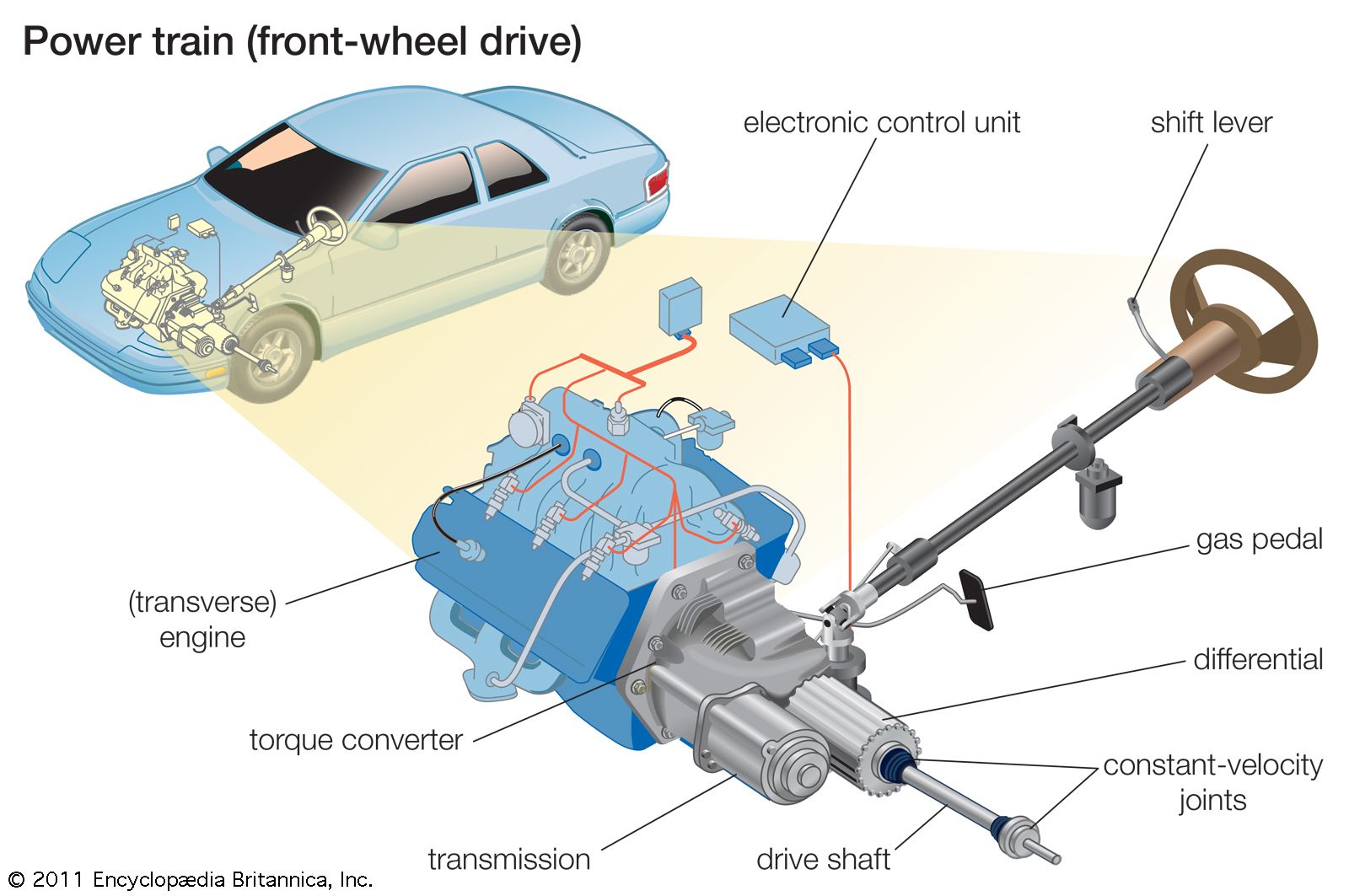
In a FWD vehicle, the front tires typically wear faster than the rear tires due to the engine's weight being concentrated over the front axle and the added stress from steering and acceleration. Regular tire rotations are crucial for even wear and extended tire life. A common rotation pattern involves moving the front tires straight back and cross-rotating the rear tires to the front. Consult your vehicle's owner's manual for the recommended tire rotation schedule and pattern. Regularly rotating your tires not only extends their life but also helps maintain balanced handling characteristics.
Exceptions to the Rule
While placing new tires on the rear is the general recommendation for FWD vehicles, there might be rare exceptions. For example, if you drive primarily in dry conditions and prioritize maximum braking performance, placing the new tires on the front could offer a marginal advantage. However, this is a niche scenario and doesn't outweigh the safety benefits of placing the new tires on the rear for most drivers. Additionally, in some high-performance FWD vehicles with sophisticated suspension tuning, the manufacturer might recommend a different tire placement strategy. Always consult your vehicle's owner's manual and a qualified mechanic for specific recommendations.
The Bottom Line: Safety First
Ultimately, the decision of where to place new tires on a FWD vehicle should prioritize safety. Placing the new tires on the rear axle significantly reduces the risk of oversteer in wet conditions, making it the safest and most prudent choice for the vast majority of drivers. Don't compromise safety for marginal gains in braking or acceleration. Invest in a new set of four tires whenever possible. If that's not feasible, prioritize placing the new tires on the rear for improved handling and stability, especially in inclement weather. Remember that tire maintenance is crucial for optimal vehicle performance and safety.