
Function Of A Solenoid In A Starter Motor
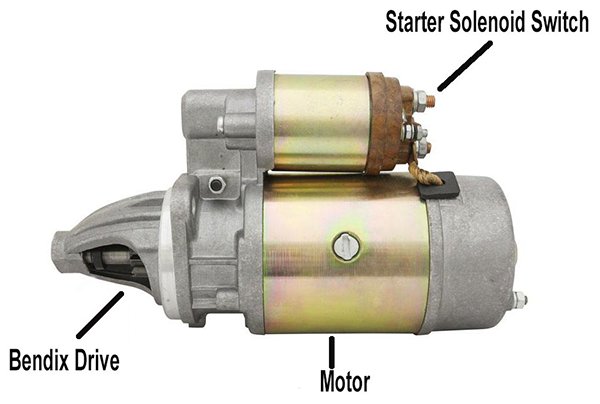
The starter motor is a critical component of any internal combustion engine vehicle. It's responsible for cranking the engine, initiating the combustion process and bringing the engine to life. While the motor itself is the primary driving force, it relies on a smaller, often overlooked but vitally important component: the starter solenoid. Understanding the solenoid's function is key to diagnosing starting problems and appreciating the ingenious design of modern vehicles.
What is a Starter Solenoid?
The starter solenoid is essentially an electromagnetic switch. Think of it as a gatekeeper, controlling the flow of high-amperage electricity from the battery to the starter motor. Starter motors require a massive surge of current to overcome the engine's inertia and begin rotation. The solenoid allows a low-current signal from the ignition switch to control this high-current circuit.
Here's a breakdown of its core functions:
- Engaging the Starter Motor: When you turn the ignition key, a small electrical signal is sent to the solenoid. This signal energizes the solenoid's coil, creating a strong magnetic field.
- Extending the Pinion Gear: This magnetic field pulls a plunger inside the solenoid. This plunger is mechanically linked to the pinion gear, a small toothed gear that needs to mesh with the engine's flywheel or flexplate (for automatic transmissions). The plunger extends the pinion gear, engaging it with the flywheel teeth.
- Completing the Circuit: Simultaneously, the plunger movement also bridges a heavy-duty electrical contact within the solenoid. This completes the circuit, allowing the full battery current to flow to the starter motor.
How Does it Work in Detail?
Inside the solenoid, you'll typically find two sets of windings: a pull-in winding and a hold-in winding. The pull-in winding provides a strong initial magnetic force to quickly engage the pinion gear. Once the gear is engaged, the hold-in winding maintains the plunger's position, requiring less current. This dual-winding design is more efficient and prolongs the solenoid's lifespan.
Without the solenoid, the small ignition switch would have to handle the enormous current required by the starter motor. This would necessitate heavy-duty wiring throughout the entire electrical system, making the car heavier, more expensive, and significantly more prone to electrical failures.
Common Problems and Maintenance
Starter solenoids are generally reliable, but they are subject to wear and tear. Common problems include:
- Clicking Sound: A "click" when you turn the key often indicates a failing solenoid. This could mean the solenoid is receiving power but unable to engage properly, often due to worn contacts or a weak magnetic field.
- No Start: If the solenoid fails to engage or complete the circuit, the starter motor won't turn at all. This can be caused by a faulty solenoid, a bad connection, or a dead battery.
- Grinding Noise: A grinding noise during starting can indicate the pinion gear isn't fully engaging with the flywheel teeth, possibly due to a sticking solenoid plunger.
While solenoids are typically replaced as a unit, sometimes corroded connections are the culprit. Before replacing the entire solenoid, inspect the wiring and connections for corrosion or looseness. Cleaning and tightening these connections can often resolve the issue.
Replacement costs for a starter solenoid vary depending on the vehicle make and model. Generally, expect to pay between $50 and $200 for the part, plus labor if you're not tackling the job yourself. Some starter motors have an integrated solenoid, requiring replacement of the entire unit.
Real-World Examples & Reliability
Consider a classic example: the Ford Mustang. Early Mustangs, known for their robust engines, often suffered from solenoid failures, particularly in humid climates, due to corrosion. Many owners learned to carry a spare solenoid or were adept at tapping the solenoid with a wrench to temporarily free a sticking plunger. Modern vehicles, while more sophisticated, are still susceptible to solenoid issues, especially as they age and connections become corroded.
Regular battery maintenance, including cleaning terminals and ensuring a strong charge, indirectly benefits the solenoid by providing adequate voltage for reliable operation. Avoiding repeated attempts to start a car with a weak battery also reduces strain on the solenoid, potentially prolonging its lifespan. Understanding the function of the starter solenoid empowers owners to diagnose potential issues early on, saving time and money in the long run.