
Gas Mileage For 2014 Chevy Silverado 1500
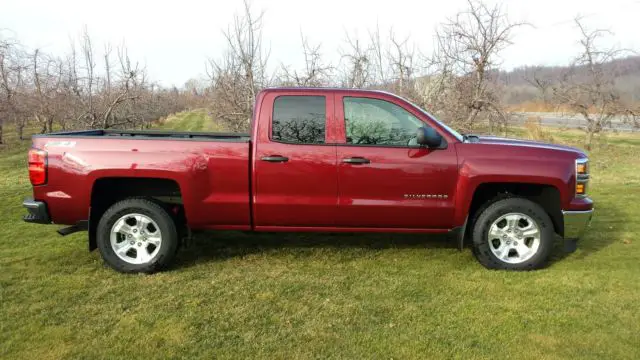
The 2014 Chevrolet Silverado 1500 was a popular truck, and a significant factor in its appeal was its fuel efficiency, or gas mileage. While not a hybrid or electric vehicle, Chevy put a lot of engineering effort into maximizing the miles you could squeeze from each gallon of gasoline. Let's dive into the factors that influence the 2014 Silverado 1500's gas mileage and how you, as an owner or enthusiast, can understand and potentially improve it.
Engine Choices and Their MPG Impact
The 2014 Silverado 1500 offered three main engine options, each with its own fuel consumption profile:
4.3L EcoTec3 V6
This was the base engine, and naturally, offered the best gas mileage figures of the trio. Typically, it's rated around 18 MPG city and 24 MPG highway for 2WD models. The key to its relative efficiency was its displacement and the technologies implemented. Direct injection (explained later) plays a significant role here. Think of it like a Honda Civic's engine - it's smaller and designed more for fuel economy, though in a truck chassis. The downside, of course, is less horsepower and towing capability. If you prioritized gas mileage above all else and only needed the truck for light-duty tasks, this was the engine to choose.
4WD models tend to drop the MPG by about 1-2 in both city and highway, due to the added weight and driveline friction.
5.3L EcoTec3 V8
This was the most common engine choice, striking a balance between power and fuel economy. It's rated around 16 MPG city and 23 MPG highway for 2WD models. What made this V8 reasonably fuel-efficient for its size? The EcoTec3 engine family incorporated several key technologies: Active Fuel Management (AFM), also known as cylinder deactivation, and Direct Injection. AFM shuts down four of the eight cylinders under light load conditions (like cruising on the highway), essentially turning the V8 into a V4 to conserve fuel. This is similar in concept to what some Chrysler HEMI engines do, only Chevrolet used a different control strategy to activate and deactivate the cylinders.
Direct Injection is another crucial technology. Instead of injecting fuel into the intake manifold, where it mixes with air before entering the cylinder (as in traditional port fuel injection), direct injection sprays fuel directly into the combustion chamber. This allows for more precise control of the air-fuel mixture, resulting in more efficient combustion and less fuel waste. This is like comparing an older carbureted engine to a modern fuel-injected one, the latter always being more precise and efficient. The 5.3L strikes a good balance with its power and fuel economy.
4WD models tend to drop the MPG by about 1-2 in both city and highway, due to the added weight and driveline friction.
6.2L EcoTec3 V8
This was the top-of-the-line engine, offering the most power but also the lowest gas mileage. Expect around 15 MPG city and 21 MPG highway for 2WD models. While it also featured AFM and direct injection, the larger displacement meant it consumed more fuel, especially during acceleration. If you needed maximum towing capacity and didn't mind the fuel cost, this was the engine to get. Think of it as the equivalent of a Ford Raptor's high-output engine - powerful and fun but thirsty.
4WD models tend to drop the MPG by about 1-2 in both city and highway, due to the added weight and driveline friction.
Factors Affecting Real-World MPG
The EPA fuel economy ratings are useful as a baseline, but the actual gas mileage you achieve in your 2014 Silverado 1500 can vary considerably depending on several factors:
- Driving Habits: Aggressive acceleration, hard braking, and excessive idling all decrease fuel economy. Gentle acceleration and maintaining a steady speed will significantly improve your MPG. Imagine the difference between a professional hypermiler and a race car driver – one is focused on fuel efficiency, the other on performance.
- Tire Pressure: Underinflated tires increase rolling resistance, making the engine work harder. Regularly check your tire pressure and keep it at the recommended level, which is usually found on a sticker inside the driver's side door jamb or in the owner's manual. Think of it like riding a bicycle with flat tires – it takes a lot more effort to pedal.
- Vehicle Maintenance: Regular maintenance, such as oil changes, air filter replacements, and spark plug replacements, ensures the engine is running efficiently. A poorly maintained engine can waste fuel and decrease performance. It’s similar to a person not taking care of their health; it eventually impacts their performance.
- Load and Towing: Carrying heavy loads or towing a trailer drastically reduces fuel economy. The more weight the engine has to pull, the more fuel it consumes. Consider this like dragging an anchor behind your truck; you will consume more fuel to keep moving.
- Road Conditions: Driving in hilly terrain or stop-and-go traffic consumes more fuel than driving on flat, open highways. The constant acceleration and braking required in city driving are detrimental to fuel economy.
- Weather Conditions: Extreme temperatures (both hot and cold) can negatively impact fuel economy. Cold weather increases engine friction and can require the engine to run richer (more fuel), while hot weather can strain the air conditioning system, increasing engine load.
- Fuel Quality: Using lower-octane fuel than recommended can decrease fuel economy and performance, although the Silverado 1500 is designed to run on regular unleaded gasoline. Higher-octane fuel generally does not increase gas mileage unless the engine is specifically designed to take advantage of it.
- Modifications: Aftermarket modifications, such as lift kits, larger tires, and performance exhaust systems, can affect gas mileage. These modifications can increase weight, change aerodynamics, or alter engine tuning.
Understanding AFM (Active Fuel Management)
As mentioned earlier, AFM is a key technology for the 5.3L and 6.2L engines. It deactivates four cylinders under light load, improving fuel economy. However, AFM operation can be affected by several factors:
- Driving Style: Aggressive driving or frequent acceleration will prevent AFM from activating. AFM only engages during steady-state cruising or light acceleration.
- Engine Temperature: AFM may not engage until the engine has reached its operating temperature.
- Vehicle Speed: AFM typically operates at speeds between 25 and 70 mph.
- Diagnostic Trouble Codes (DTCs): If the engine has any DTCs related to the AFM system, it may be disabled.
You can sometimes feel when AFM is engaging or disengaging. It might be a subtle change in engine sound or a slight vibration. Some owners have reported issues with AFM, such as excessive oil consumption or lifter failure, but these are not widespread.
Practical Takeaways for Improving Your Silverado's MPG
Here are some actionable steps you can take to maximize your 2014 Silverado 1500's gas mileage:
- Drive Smart: Practice smooth acceleration, avoid hard braking, and maintain a steady speed. Use cruise control on the highway whenever possible.
- Maintain Proper Tire Pressure: Check your tire pressure regularly and inflate to the recommended level.
- Keep Up with Maintenance: Follow the manufacturer's recommended maintenance schedule, including oil changes, air filter replacements, and spark plug replacements.
- Reduce Weight: Remove any unnecessary items from the truck bed or cabin.
- Avoid Excessive Idling: Turn off the engine when stopped for more than a minute.
- Use the Correct Fuel: Use regular unleaded gasoline as recommended. Higher octane fuel is generally not necessary.
- Consider a Fuel Economy Monitor: Many aftermarket devices can provide real-time fuel economy data, helping you adjust your driving habits for better MPG.
- Pay Attention to Engine Load: Avoid towing or hauling heavy loads unless absolutely necessary. When towing, drive at a slower speed.
- Diagnose Engine Issues: If you notice a significant drop in fuel economy, have your truck inspected by a qualified mechanic to identify and address any potential problems.
By understanding the factors that influence gas mileage and implementing these practical tips, you can help improve your 2014 Chevy Silverado 1500's fuel efficiency and save money at the pump. Remember, even small changes in driving habits and maintenance practices can add up to significant savings over time.