
Gas Mileage On A 2004 Jeep Grand Cherokee
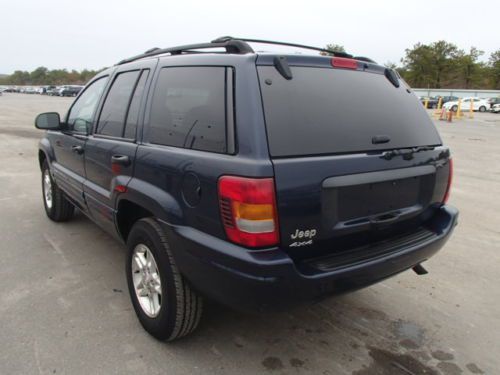
Let's talk about the 2004 Jeep Grand Cherokee – a vehicle celebrated for its ruggedness, off-road capability, and, well, let's be honest, not exactly renowned for its stellar fuel economy. For the enthusiast considering a classic SUV like this, or the mechanic maintaining one, understanding its real-world gas mileage is crucial. The 2004 Grand Cherokee, specifically the WJ generation, offered a variety of engine options, each dramatically impacting its thirst for fuel. Let's break it down.
Engine Options and Their MPG Impact
The heart of any vehicle dictates its fuel consumption. In 2004, the Grand Cherokee offered four main engine choices, each with its own fuel economy profile:
- 4.0L Inline-Six: This stalwart engine, a Jeep staple for decades, is known for its reliability. While it lacks the outright power of the V8s, it offers a decent balance and is arguably the most fuel-efficient of the bunch. Expect to see figures around 15-16 mpg in the city and 20-21 mpg on the highway. Real-world mileage often hovers slightly below these EPA estimates, especially with age and wear.
- 4.7L V8: This engine provided a significant power bump compared to the inline-six. However, that added performance comes at a cost. City driving typically yields 13-14 mpg, while highway driving might stretch to 18-19 mpg under ideal conditions. Keep in mind that towing or aggressive driving will drastically reduce these figures. The 4.7L V8 was a popular choice, so you'll find many examples on the used market.
- 4.7L High-Output V8: Available on the Overland trim, this tuned-up version of the 4.7L offered even more power. Predictably, fuel economy takes another hit. Expect 12-13 mpg in the city and 17-18 mpg on the highway. While the performance is enticing, the added fuel consumption is something to consider.
- 2.7L Diesel (Export Only): Unfortunately for those in the North American market, a 2.7L diesel engine was available in Grand Cherokees sold in Europe and other regions. This engine generally offered the best fuel economy of the lot, but its absence from the US lineup makes it a moot point for most readers.
Factors Affecting Fuel Economy
Beyond the engine choice, numerous factors influence the 2004 Grand Cherokee's gas mileage. These include:
- Vehicle Condition: A poorly maintained Grand Cherokee will undoubtedly suffer in the fuel economy department. Issues like worn spark plugs, dirty air filters, low tire pressure, and dragging brakes all contribute to increased fuel consumption. Regular maintenance is key to keeping your Jeep running efficiently.
- Driving Habits: Aggressive acceleration, hard braking, and high speeds all negatively impact fuel economy. Smooth, consistent driving will maximize your miles per gallon.
- Tire Size and Type: Larger, more aggressive tires, especially those designed for off-road use, increase rolling resistance and reduce fuel economy. Stock-sized, highway-terrain tires are the most fuel-efficient choice.
- Four-Wheel Drive System: Engaging the 4WD system, particularly the full-time Quadra-Trac system, increases fuel consumption due to the added drivetrain friction. Use 4WD only when necessary.
- Weight: Carrying excessive weight in the vehicle also reduces fuel economy. Clear out unnecessary items from the cargo area.
- Aftermarket Modifications: Lift kits, roof racks, and other aftermarket modifications can negatively impact aerodynamics and increase weight, leading to lower fuel economy.
Real-World Expectations and Tips for Improvement
While the EPA estimates provide a baseline, real-world mileage often varies. Owners frequently report figures slightly below the official numbers. If you're consistently getting significantly worse gas mileage than expected, it's time to investigate. A thorough inspection by a qualified mechanic can identify potential problems and recommend solutions. Remember that older vehicles tend to experience decreased fuel efficiency due to wear and tear.
To improve your 2004 Grand Cherokee's gas mileage, consider the following:
- Regular Maintenance: Keep up with scheduled maintenance, including oil changes, spark plug replacements, air filter cleaning/replacement, and tire rotations.
- Tire Pressure: Maintain the correct tire pressure as specified on the door jamb sticker.
- Driving Habits: Practice smooth, consistent driving. Avoid aggressive acceleration and braking.
- Weight Reduction: Remove unnecessary items from the vehicle.
- Consider Fuel Additives: Some fuel additives can help clean fuel injectors and improve combustion efficiency.
Ultimately, the 2004 Jeep Grand Cherokee isn't going to win any fuel economy contests. However, understanding the factors that influence its gas mileage and taking steps to improve efficiency can help you minimize your fuel costs and enjoy this capable SUV for years to come. The 4.0L Inline-Six engine coupled with diligent maintenance provides the best possible gas mileage.