
Heavy Duty Battery Cable Clamps
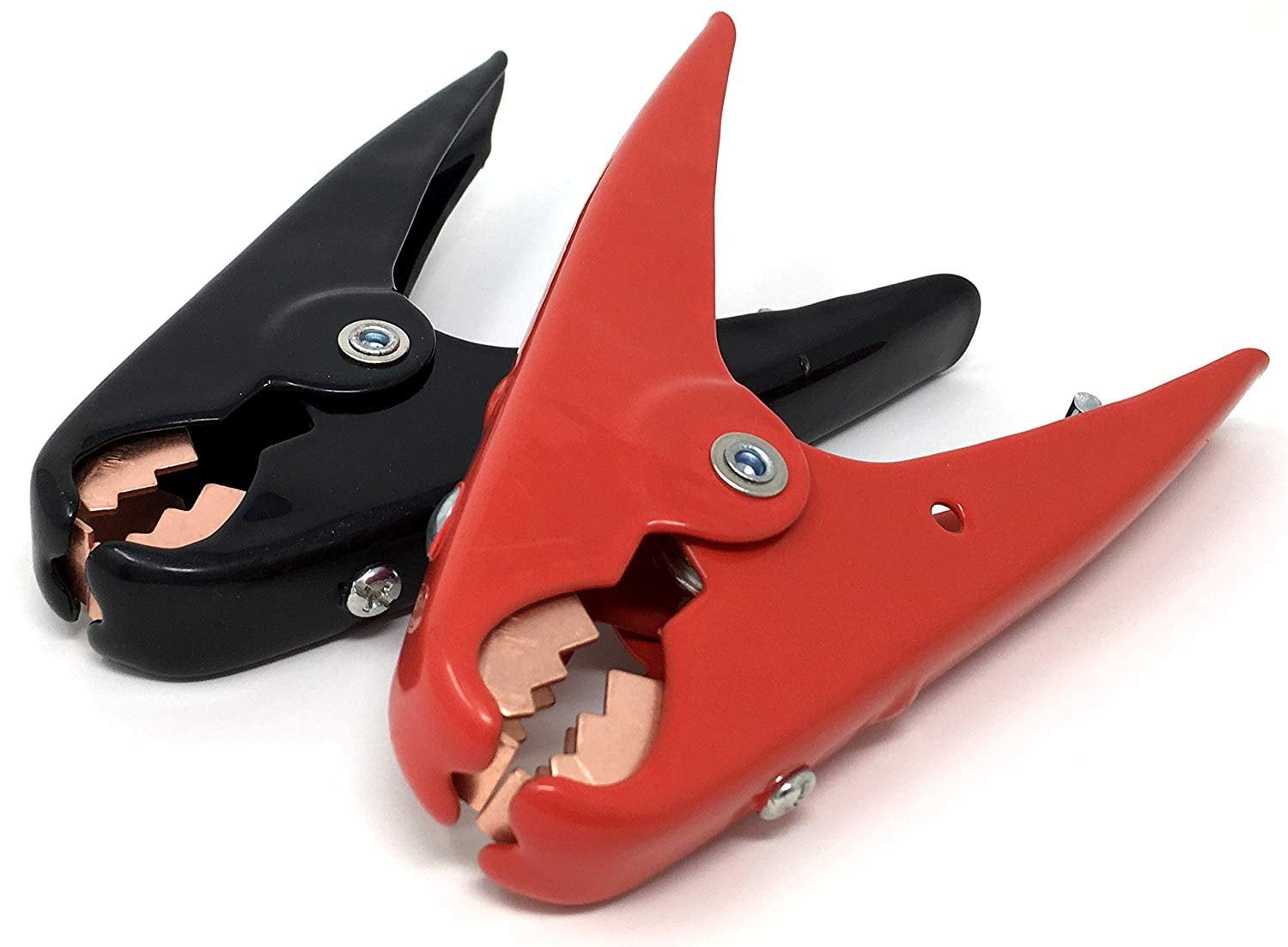
Your car's battery is the heart of its electrical system, providing the necessary power to start the engine and run various components. But that power needs a reliable connection to flow. Enter the unsung hero: the heavy-duty battery cable clamp. While often overlooked, these clamps are critical for ensuring a robust and consistent electrical connection, especially in demanding applications.
Understanding the Importance
Think of your car's electrical system as a highway. The battery is the power plant, the wires are the roads, and the components like the starter and lights are the destinations. Battery cable clamps are the crucial on-ramps and off-ramps, connecting the battery's terminals to the rest of the electrical system. A weak or corroded clamp creates a bottleneck, restricting the flow of electricity and leading to all sorts of problems.
Consider a classic example: a 1967 Ford Mustang. A restoration project often involves addressing the electrical system. If the original battery cable clamps are still in place, they're likely corroded or weakened, potentially causing starting issues or dim headlights. Upgrading to heavy-duty clamps ensures that the Mustang's powerful V8 engine receives the full amperage needed for a reliable start.
Similarly, modern vehicles like a Jeep Wrangler, known for off-road adventures, require robust electrical connections. Bouncing over rough terrain can put stress on battery connections. Heavy-duty clamps offer a more secure grip, minimizing the risk of intermittent power loss and ensuring the winch, lights, and other accessories function reliably.
What Makes a Clamp "Heavy Duty"?
The term "heavy-duty" implies a superior level of performance and durability. But what specific features contribute to this classification?
Material Matters
The most common materials for battery cable clamps are lead, brass, copper, and steel. Each material offers different properties in terms of conductivity, corrosion resistance, and strength.
- Lead: Traditionally used, but less common now due to environmental concerns. Lead clamps are relatively inexpensive and offer decent corrosion resistance, but they are softer and more prone to deformation under stress.
- Brass: A good balance of conductivity and corrosion resistance. Brass clamps are a common upgrade choice, offering improved performance over lead clamps.
- Copper: Excellent conductivity, making it ideal for high-current applications. However, copper is susceptible to corrosion, so it often requires a protective coating. A copper clamp with tin plating provides the best of both worlds.
- Steel: While not as conductive as copper or brass, steel clamps offer superior strength and durability. They are often used in conjunction with other materials to provide structural support.
Heavy-duty clamps often feature a combination of materials. For example, a clamp might have a copper contact point for optimal conductivity, encased in a steel housing for strength and durability. This ensures a long-lasting and reliable connection.
Construction and Design
Beyond the material, the design and construction of the clamp play a significant role in its performance.
- Solid Construction: Heavy-duty clamps are typically made from thicker materials, providing a more robust and secure grip on the battery terminal. They are less likely to bend or break under stress.
- Secure Fastening Mechanisms: The way the clamp attaches to the cable and the battery terminal is crucial. Look for clamps with strong bolts, lock washers, and serrated surfaces to prevent slippage. Some clamps use a compression design, which provides a very tight and consistent connection.
- Corrosion Protection: Heavy-duty clamps often feature coatings or treatments to resist corrosion. Tin plating, zinc plating, and powder coating are common examples. These coatings protect the metal from the harsh environment under the hood and extend the lifespan of the clamp.
- Cable Gauge Compatibility: A heavy-duty clamp must be able to securely accommodate the gauge (thickness) of the battery cable. Using a clamp that is too small for the cable can damage the cable and create a poor connection.
A well-designed heavy-duty clamp will distribute the clamping force evenly around the battery terminal, ensuring a consistent and reliable electrical connection.
Common Issues and Symptoms of Failing Clamps
Recognizing the signs of failing battery cable clamps can prevent more serious electrical problems.
- Slow or No-Start Condition: This is a classic symptom of a weak battery connection. The starter motor requires a significant amount of current to turn the engine over. A corroded or loose clamp can restrict the flow of current, making it difficult or impossible to start the car.
- Dim Headlights: A poor battery connection can reduce the voltage available to the headlights, causing them to appear dim. This is especially noticeable at idle.
- Erratic Electrical Behavior: Intermittent power loss, flickering lights, or malfunctioning accessories can all be caused by a faulty battery connection. The vibration of the vehicle can cause the connection to momentarily break, leading to these erratic behaviors.
- Visible Corrosion: Greenish or white deposits on the battery terminals and clamps are a clear sign of corrosion. Corrosion increases resistance, hindering the flow of electricity.
- Loose or Wobbly Clamps: If the clamps feel loose or wobbly when you try to tighten them, they may be damaged or worn out.
For instance, a Toyota Tacoma owner might experience a slow start, especially in cold weather, if their battery cable clamps are corroded. Similarly, a BMW 3 Series might exhibit flickering headlights due to a loose connection.
Choosing the Right Heavy-Duty Clamp
Selecting the right heavy-duty battery cable clamp involves considering several factors:
- Application: What type of vehicle do you have and what are its electrical demands? A high-performance car with a powerful sound system will require more robust clamps than a basic commuter car.
- Cable Gauge: Ensure the clamp is compatible with the gauge of your battery cables. The cable gauge is typically printed on the cable insulation.
- Material: Choose a material that offers a good balance of conductivity, corrosion resistance, and strength. Copper clamps with tin plating are often the best choice.
- Terminal Type: Batteries come with different terminal types (e.g., top post, side post). Make sure the clamp is compatible with your battery's terminal type.
- Brand Reputation: Opt for a reputable brand known for quality and durability. Read reviews and ask for recommendations from other car enthusiasts.
"You get what you pay for"
holds true for battery cable clamps.
Upgrading the battery cable clamps on a project car, like a Chevrolet Camaro, is often a smart investment. A new set of heavy-duty clamps ensures that the engine receives the necessary power for optimal performance, especially if the car has been modified with aftermarket parts.
Installation and Maintenance
Installing heavy-duty battery cable clamps is a straightforward process, but it's important to follow safety precautions. Always disconnect the negative battery cable first to prevent accidental shorts. Clean the battery terminals and the inside of the clamps with a wire brush to remove any corrosion. Apply a thin coat of dielectric grease to the terminals and clamps to prevent future corrosion. Tighten the clamps securely, but avoid over-tightening, which can damage the terminals.
Regular maintenance is also essential. Inspect the clamps periodically for corrosion or looseness. Clean and re-grease the connections as needed. Replacing the clamps every few years is a good preventative measure, especially in harsh climates.
Practical Takeaways
- Don't Neglect the Details: Battery cable clamps are a small but vital part of your car's electrical system. Don't overlook them during maintenance or repairs.
- Upgrade When Necessary: If you're experiencing electrical issues or working on a restoration project, consider upgrading to heavy-duty clamps for improved performance and reliability.
- Choose Quality: Invest in high-quality clamps from a reputable brand. This will save you money and headaches in the long run.
- Maintain Regularly: Inspect and clean your battery cable clamps periodically to prevent corrosion and ensure a solid connection.
- Safety First: Always disconnect the negative battery cable before working on the electrical system.
By understanding the importance of heavy-duty battery cable clamps and following these practical tips, you can ensure that your car's electrical system remains in top condition, providing reliable power for years to come.