
How Do I Know If My Engine Is Overheating
Engine overheating is a serious issue that can lead to catastrophic engine damage if left unchecked. Early detection is crucial to preventing costly repairs and ensuring your vehicle's longevity. As car enthusiasts, mechanics, and automotive professionals, we understand the importance of a healthy engine. This article will provide a comprehensive guide on how to recognize the signs of engine overheating, enabling you to take prompt action and avoid potential disasters.
The Obvious Signs: Gauges, Lights, and Steam
Let's start with the most apparent indicators. Your vehicle's instrument cluster is designed to alert you to potential problems, and overheating is no exception.
- Temperature Gauge: Keep a close eye on your temperature gauge. Most vehicles have a gauge with a 'C' for cold and an 'H' for hot. As your engine warms up, the needle should settle in the middle of the range. If the needle creeps steadily towards the 'H' or the red zone, your engine is overheating. Note that some vehicles use a digital display instead of an analog gauge. These will often show the actual coolant temperature, and any reading above the normal operating range (typically around 195-220°F or 90-104°C, but consult your owner's manual for specifics) indicates a problem.
- Overheat Warning Light: Many modern vehicles have an overheat warning light (often resembling a thermometer in coolant). This light illuminates when the engine temperature exceeds a predetermined threshold. Don't ignore this light! Pull over as soon as it's safe to do so.
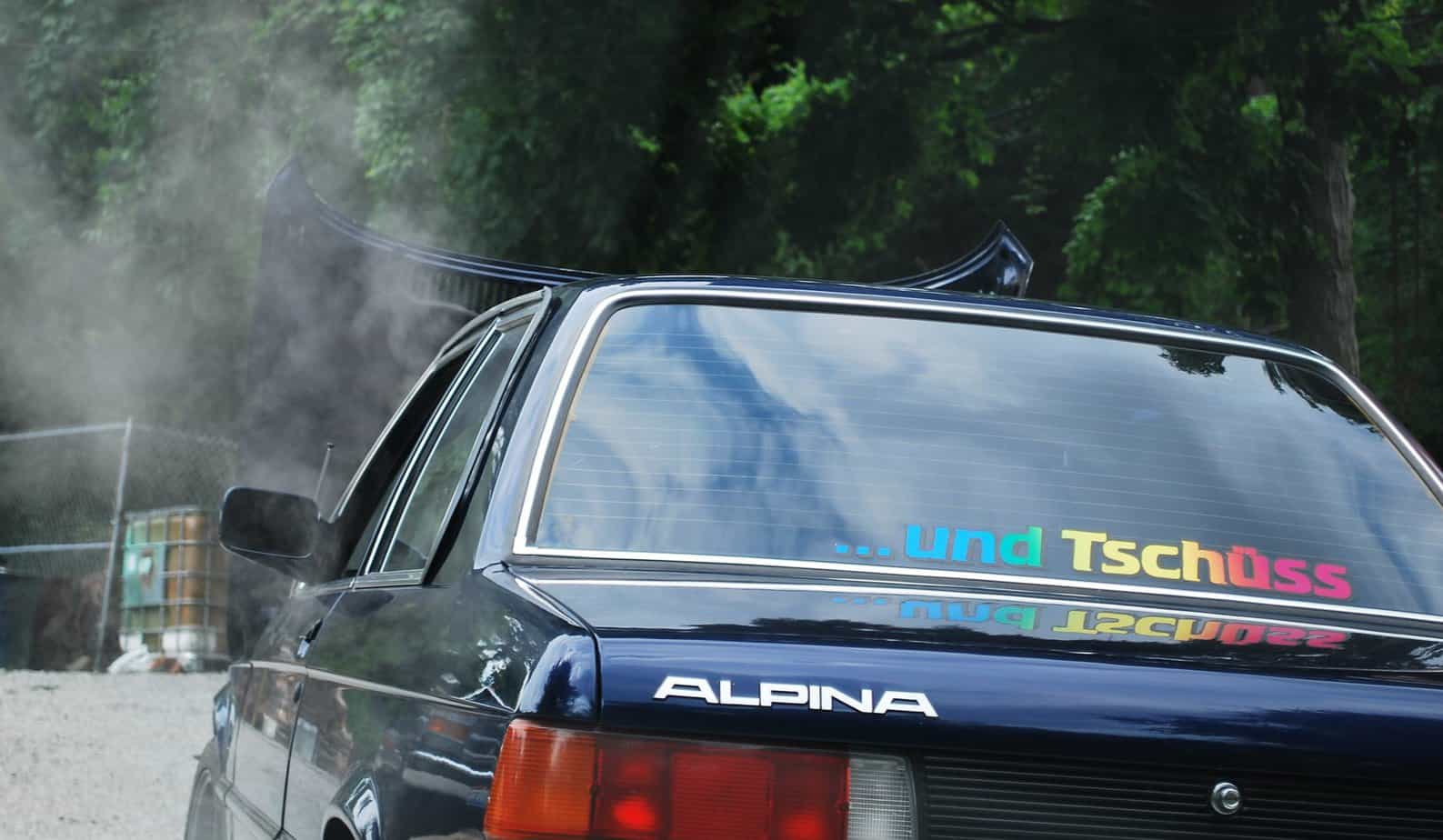
- Steam or Smoke: Visible steam or smoke emanating from under the hood is a clear sign of severe overheating. This is usually caused by coolant boiling and escaping from the radiator, a hose, or the engine itself. The smell is usually distinct; a sweet, pungent aroma of antifreeze.
Subtle Clues: Performance and Sensory Indicators
Sometimes, the signs of overheating are less obvious. Be aware of these subtle clues that might indicate a problem:
- Reduced Engine Performance: Overheating can cause the engine to lose power, resulting in sluggish acceleration and difficulty maintaining speed, especially uphill. This is because the engine management system may retard timing to protect the engine from further damage.
- Strange Odors: Aside from the distinct smell of coolant, you might detect a burning smell. This could be caused by burning oil, melting plastic, or even the smell of hot metal. Investigate any unusual odors promptly.
- Rough Idling: An overheating engine may exhibit rough idling or stalling. This is often due to the engine management system struggling to compensate for the extreme temperature.
- Knocking or Pinging Noises: Overheating can lead to engine knocking or pinging, especially under load. This is caused by pre-ignition of the fuel-air mixture.
- Dashboard Error Codes: Your vehicle's computer may generate error codes related to engine temperature or cooling system performance. A diagnostic scan with an OBD-II scanner can reveal these codes. Common codes include those related to the coolant temperature sensor or the thermostat.
- Lack of Heat in the Cabin: While counterintuitive, a lack of heat from your car's heater can indicate low coolant levels due to a leak or other cooling system malfunction, ultimately leading to overheating. This happens because the heater core relies on circulating coolant to provide heat.
What to Do If Your Engine Overheats
If you suspect your engine is overheating, take the following steps:
- Pull Over Safely: Find a safe place to pull over and turn off the engine immediately.
- Let the Engine Cool Down: Do not attempt to open the hood immediately. Allow the engine to cool down for at least 30 minutes.
- Check Coolant Level: Once the engine has cooled sufficiently, carefully open the coolant reservoir cap (using a rag to protect yourself from hot steam) and check the coolant level. If it's low, add coolant or water (preferably distilled water in an emergency).
- Inspect for Leaks: Look for any signs of coolant leaks around the radiator, hoses, water pump, and engine block.
- Seek Professional Help: If you're unable to identify the cause of the overheating or if the problem persists, consult a qualified mechanic. Continuing to drive an overheating engine can cause severe and permanent damage.
Preventative Maintenance
Regular maintenance is key to preventing overheating. Ensure you:
- Check Coolant Levels Regularly: Keep an eye on your coolant levels and top them off as needed.
- Flush and Replace Coolant: Follow the manufacturer's recommended service intervals for flushing and replacing your coolant. Old coolant loses its effectiveness.
- Inspect Hoses and Belts: Regularly inspect hoses and belts for cracks, leaks, or damage. Replace them as needed.
- Check the Radiator Cap: A faulty radiator cap can prevent the cooling system from pressurizing properly, leading to overheating.
- Consider a Coolant System Pressure Test: This test can identify leaks in the system that may not be readily apparent. Consult your mechanic for this procedure.
By being vigilant and proactive, you can significantly reduce the risk of engine overheating and keep your vehicle running smoothly for years to come. Remember, a little preventative maintenance goes a long way in preserving the life of your engine and avoiding expensive repairs. Pay attention to the signs, and don't hesitate to seek professional help when needed. Your engine will thank you.