
How Do I Know If My Water Pump Is Working
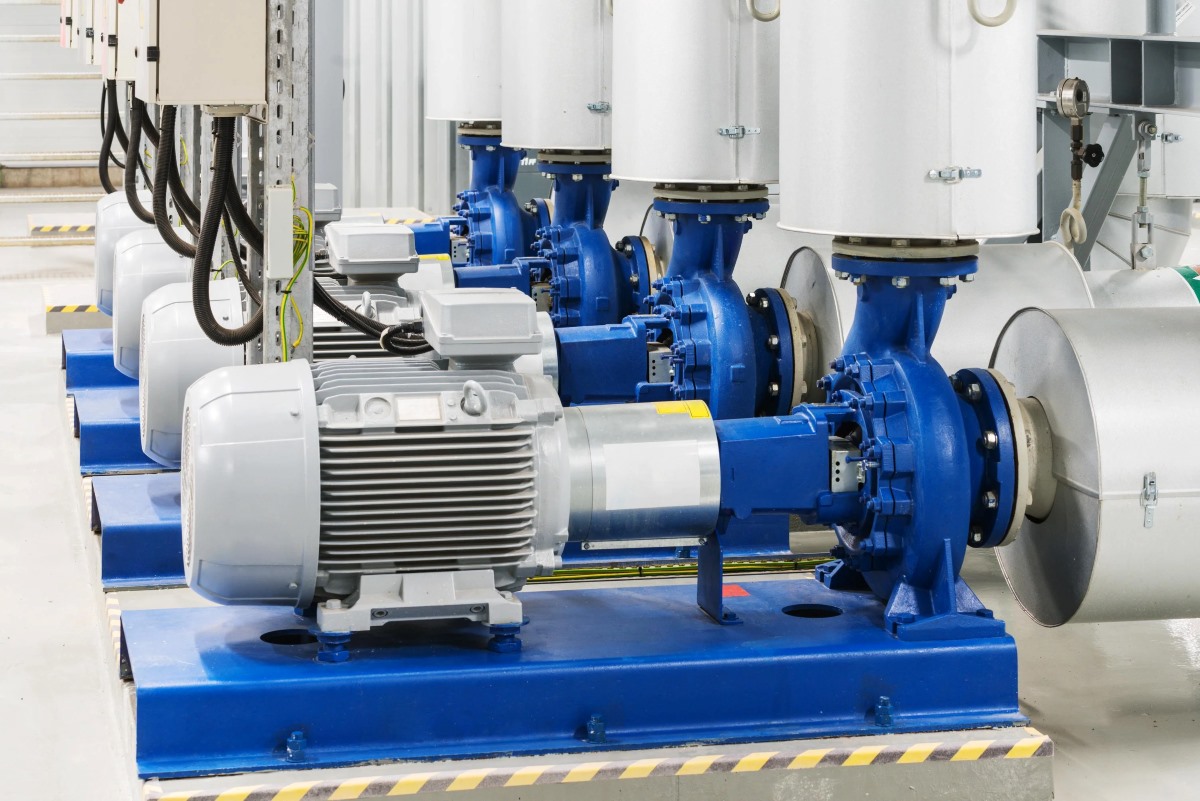
A malfunctioning water pump can be a homeowner's nightmare, leading to everything from overheating engines (in cars) to a lack of water pressure in your home. Identifying a failing water pump early can save you significant money and prevent more serious damage. This guide will walk you through the common signs of a failing water pump, helping you determine if yours is working properly and what steps to take if it's not.
Understanding the Role of a Water Pump
Before diving into the symptoms, it's essential to understand what a water pump does. In general, a water pump is a device used to move water from one place to another. The specifics, however, depend heavily on the application. For example:
- Car Engines: Water pumps in vehicles are responsible for circulating coolant throughout the engine block, radiator, and hoses. This process prevents the engine from overheating.
- Homes with Wells: In homes that rely on well water, a submersible or jet pump draws water from the well and delivers it to your faucets and appliances.
- Booster Pumps: These pumps are used to increase water pressure in homes or businesses where the existing pressure is insufficient.
Therefore, the symptoms of a failing water pump will vary depending on its function. We'll cover the key signs for each common scenario below.
Signs of a Failing Water Pump in Your Car
A faulty water pump in your car can quickly lead to engine overheating and potentially catastrophic damage. Pay close attention to these warning signs:
1. Overheating Engine
This is perhaps the most obvious and critical symptom. If your temperature gauge consistently reads higher than normal, or if you notice steam coming from under the hood, your water pump may be failing to circulate coolant effectively. Pull over immediately and allow the engine to cool down before investigating further.
2. Coolant Leaks
Coolant is usually a brightly colored fluid (green, pink, or orange). Look for puddles under the front of your car, particularly near the engine. A leaky water pump seal is a common cause of coolant leaks. You might also notice a sweet, syrupy smell.
3. Noise from the Water Pump
A failing water pump often produces unusual noises, such as whining, grinding, or squealing. These sounds are typically caused by worn bearings inside the pump. The noise may become louder as the engine speed increases.
4. Visible Rust or Corrosion
Inspect the water pump itself for signs of rust or corrosion. These indicate that the pump may be nearing the end of its lifespan. While it requires some mechanical knowledge, a visual inspection can often reveal obvious damage.
5. Loose or Damaged Pulley
The water pump is driven by a belt that connects to the engine's crankshaft. Check the pulley for any signs of looseness, wobbling, or damage. A damaged pulley can cause the belt to slip, reducing the pump's effectiveness.
6. Low Coolant Level
Regularly check your coolant level in the reservoir. If you find yourself constantly adding coolant, even without visible leaks, it could indicate an internal leak within the engine caused by a failing water pump.
Signs of a Failing Well Water Pump
If you rely on a well for your water supply, a failing water pump can disrupt your entire household. Here's what to look for:
1. Low Water Pressure
A significant drop in water pressure throughout your home is a telltale sign of a problem with your well pump. This could be due to a weakening pump, a clogged well screen, or a leak in the well piping. If the pressure is always low, but was normal before, it is very likely the pump is failing.
2. No Water at All
In some cases, a failing well pump may stop working altogether, resulting in a complete loss of water. This could be due to a burned-out motor, a broken impeller, or a tripped circuit breaker. Check the breaker first!
3. Unusual Noises from the Well
Listen for any unusual noises coming from the well or the pump itself. Gurgling, sputtering, or grinding sounds can indicate problems with the pump or the well's water level.
4. Dirty or Discolored Water
If your well water suddenly becomes dirty, cloudy, or discolored, it could be a sign that the pump is drawing sediment or debris from the bottom of the well. This can damage the pump and contaminate your water supply.
5. Frequent Cycling of the Pump
If your well pump turns on and off frequently, even when you're not using water, it could indicate a leak in the system or a problem with the pressure tank. Frequent cycling puts extra strain on the pump and can shorten its lifespan.
6. Increased Electricity Bills
A failing well pump may have to work harder to maintain water pressure, resulting in increased electricity consumption. If you notice a sudden spike in your electricity bill, it could be related to a pump problem.
Signs of a Failing Booster Pump
Booster pumps are used to increase water pressure in homes where it's naturally low. If your booster pump is failing, you'll likely experience these symptoms:
1. Low Water Pressure (Despite the Pump)
The most obvious sign is consistently low water pressure, even with the booster pump running. This indicates that the pump is not effectively boosting the pressure as it should.
2. Pump Running Constantly
A booster pump that runs constantly, without ever shutting off, may be struggling to maintain pressure. This could be due to a leak in the system, a problem with the pump's pressure switch, or a failing pump motor.
3. Noise and Vibration
Excessive noise or vibration from the booster pump can indicate worn bearings, a damaged impeller, or other mechanical problems.
4. Overheating
Check the pump motor for signs of overheating. A hot motor can indicate that the pump is working too hard or that there's a problem with the motor windings.
What to Do If You Suspect a Failing Water Pump
If you suspect that your water pump is failing, it's important to take action promptly to prevent further damage. Here's what to do:
- Car Water Pump: Stop driving immediately if your engine is overheating. Have your car towed to a trusted mechanic for diagnosis and repair. Do not attempt to drive the car further, as this could cause serious engine damage.
- Well Water Pump: Contact a qualified well water specialist for inspection and repair. They can diagnose the problem and recommend the best course of action, whether it's pump repair or replacement. Do not attempt to repair a well pump yourself unless you have experience working with electrical systems and well water systems.
- Booster Pump: Consult a plumber or pump specialist for diagnosis and repair. They can assess the pump's condition and determine if it needs to be repaired or replaced.
Prevention and Maintenance
Regular maintenance can help extend the life of your water pump and prevent unexpected failures:
- Car Water Pump: Have your cooling system flushed and inspected regularly, and replace coolant according to the manufacturer's recommendations.
- Well Water Pump: Schedule regular well inspections to check the pump's condition and ensure proper water quality.
- Booster Pump: Keep the pump clean and free of debris, and inspect it periodically for leaks or other problems.
By being aware of the warning signs and taking proactive steps to maintain your water pump, you can avoid costly repairs and ensure a reliable water supply.