
How Do I Remove Wheel Locks Without A Key
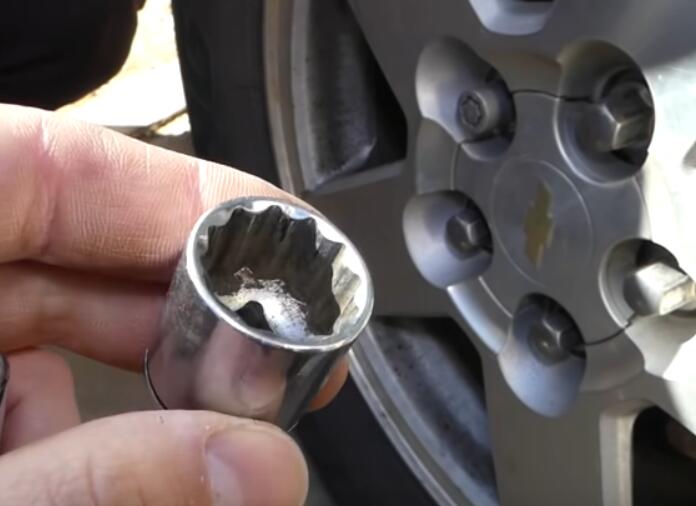
Wheel locks, those small but mighty guardians of your rims, are designed to prevent theft. They replace one lug nut on each wheel with a specially shaped nut requiring a unique key for removal. But what happens when that key goes missing? Panic not! While removing wheel locks without the key isn't ideal, it's possible. However, it's crucial to understand that these methods can be risky, potentially damaging your wheels, and should be approached with caution. This article explores several techniques, explaining the pros and cons of each, and offering practical advice for a successful (and hopefully damage-free) removal.
Understanding Wheel Locks
Before diving into removal techniques, let's understand what we're dealing with. Most wheel locks consist of a hardened steel lug nut with a unique pattern or shape on its outer surface. The corresponding key is a socket with a matching pattern that engages with the lock, allowing you to loosen and remove it like a regular lug nut. Think of it like a puzzle – only the right key can unlock it. Different manufacturers use different patterns. Some are simple star-shaped designs, while others are more complex, involving intricate grooves or even rotating collars designed to thwart removal attempts. The complexity of the lock directly impacts the difficulty of removal without the key.
For example, a simple star-shaped lock found on some older Honda Civics might be easier to remove than a high-security lock used on a Mercedes-Benz AMG model. The material also matters. A softer metal lock on a base model Toyota Corolla is much easier to breach than a hardened steel lock found on a performance vehicle like a Porsche 911.
Methods for Removing Wheel Locks Without a Key
Several methods exist for removing wheel locks without the key, each with its own level of effectiveness and risk.
1. The Lug Nut Extraction Socket Method
This is often the safest and most recommended method. Lug nut extraction sockets are specifically designed to grip damaged or rounded-off lug nuts. They feature a reverse-threaded internal design that bites into the outer surface of the wheel lock as you tighten them, providing a secure grip for removal. These sockets are available at most auto parts stores and come in various sizes.
How it works:
- Select an extraction socket that is slightly smaller than the outer diameter of the wheel lock.
- Hammer the socket onto the wheel lock. Ensure it's seated firmly. This is crucial for a good grip.
- Attach a breaker bar to the extraction socket. The breaker bar provides leverage for increased torque.
- Carefully loosen the wheel lock. Apply steady, even pressure. Avoid jerky movements.
- Once loosened, remove the extraction socket and the wheel lock.
Pros: Relatively safe, minimizes damage to the wheel. Effective for most standard wheel locks.
Cons: May not work on severely damaged or high-security locks. Requires specific tools.
2. The Hammer and Chisel Method
This method involves using a hammer and chisel to physically force the wheel lock loose. It's a more aggressive approach and carries a higher risk of damaging the wheel and surrounding components. This method is not recommended unless other methods fail, and you're comfortable accepting the risk of damage.
How it works:
- Position the chisel at an angle on the edge of the wheel lock.
- Strike the chisel firmly with the hammer. The goal is to gradually rotate the wheel lock counterclockwise.
- Repeat this process around the circumference of the wheel lock, gradually working it loose.
Pros: Can work on a wider range of wheel locks than the extraction socket method.
Cons: High risk of damaging the wheel, surrounding lug nuts, and the wheel hub. Requires significant force and precision. Very loud.
3. The Welding Method
This method involves welding a nut or bolt onto the face of the wheel lock, providing a point to grip and turn. This requires welding equipment and experience. This method should only be attempted by experienced welders. The heat generated by welding can damage the wheel bearing and other nearby components, and improper welding can weaken the wheel lock, making removal even more difficult.
How it works:
- Clean the surface of the wheel lock thoroughly.
- Position a nut or bolt of appropriate size onto the face of the wheel lock.
- Weld the nut or bolt securely to the wheel lock. Ensure a strong, complete weld.
- Allow the weld to cool completely.
- Use a wrench or socket to turn the welded nut or bolt, loosening the wheel lock.
Pros: Can be effective on severely damaged or high-security locks.
Cons: Requires welding equipment and experience. High risk of damaging the wheel, wheel bearing, and surrounding components. Fire hazard.
4. Contacting a Professional
Perhaps the safest and most reliable option is to contact a professional mechanic or tire shop. They have specialized tools and experience in removing wheel locks without the key. While there will be a cost involved, it's often cheaper than the potential damage caused by DIY methods. Many mobile tire service companies also offer wheel lock removal services.
Pros: Safest option, minimizes the risk of damage. Experienced professionals can handle a wide range of wheel locks.
Cons: Cost. May require towing the vehicle to a shop.
Preventative Measures and Practical Takeaways
The best way to avoid the headache of removing wheel locks without a key is to prevent the situation in the first place. Here are some practical takeaways:
- Keep the key in a safe and accessible location: The glove compartment, center console, or even the spare tire compartment are common places. Some people even keep a spare key at home.
- Record the key code: Many wheel lock kits come with a card containing a unique key code. Store this code in a safe place. If you lose the key, you can often order a replacement from the manufacturer using this code.
- Consider replacing wheel locks with regular lug nuts: If you live in a low-crime area and are not overly concerned about wheel theft, you might consider replacing the wheel locks with regular lug nuts.
- Regularly check the wheel locks: Ensure they are not damaged or corroded. Damaged wheel locks are more difficult to remove, even with the key.
- Be careful when rotating tires: Tire shops are notorious for losing wheel lock keys. Double-check that you get the key back after any tire service.
Example Scenario: Let's say you have a missing wheel lock key for a Ford F-150. Before attempting any DIY removal, try checking the owner's manual for any information about the wheel locks and the key code. Contacting a local Ford dealership might also be helpful, as they may have records of the key code or be able to offer assistance.
Removing wheel locks without the key is a challenging task that requires patience, the right tools, and a willingness to accept the risk of damage. By understanding the different methods and their associated risks, you can make an informed decision about the best course of action. When in doubt, consult a professional. Remember, a little prevention goes a long way in avoiding this frustrating situation.