
How Do I Unlock My Car Door Without A Key
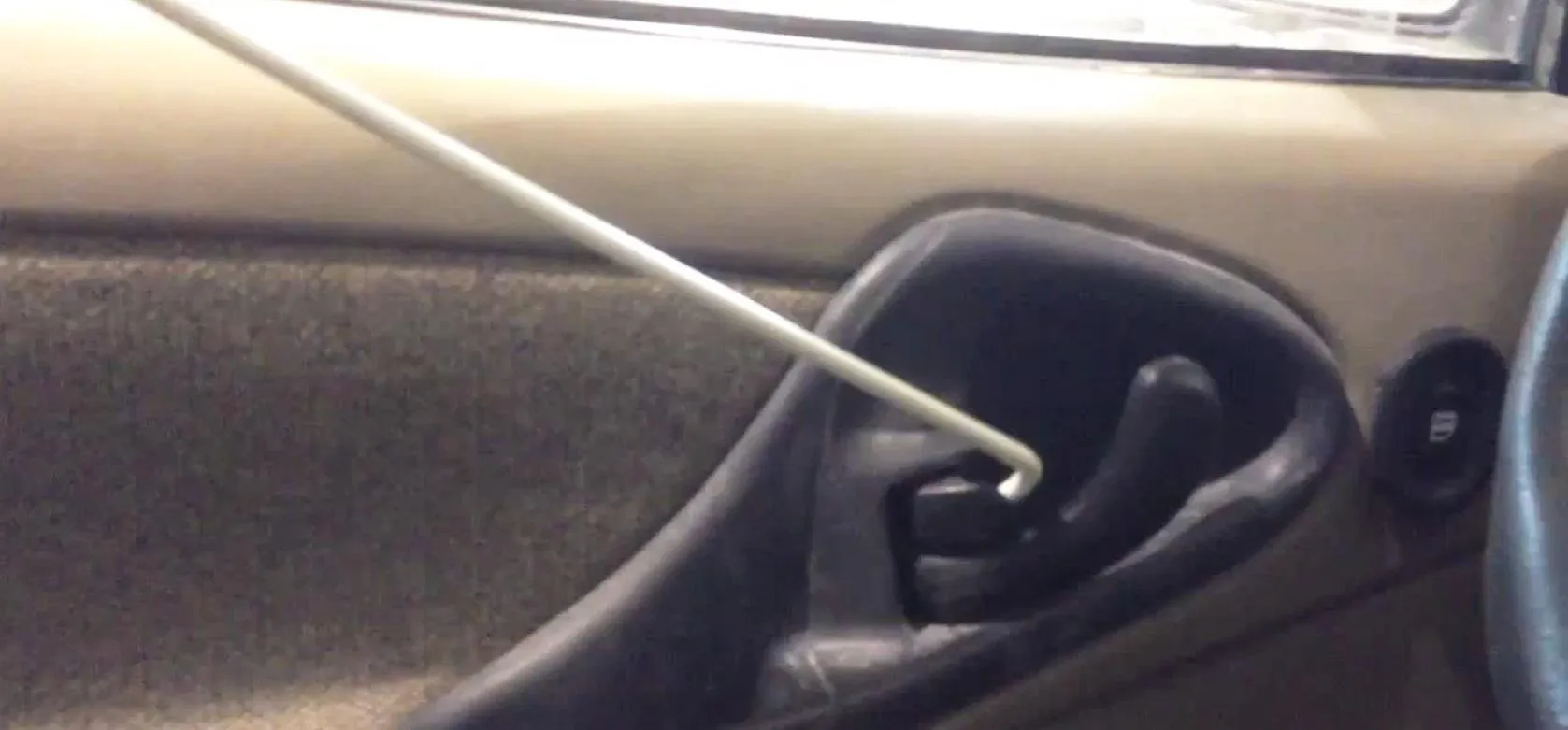
Locked out of your car? It's a frustrating situation, and unfortunately, it happens to the best of us. Whether you've misplaced your keys, locked them inside, or your key fob battery has died, knowing how to unlock your car door without a key can be a lifesaver. This article explores several methods, ranging from simple DIY techniques to professional assistance, to help you regain access to your vehicle.
Understanding the Situation
Before attempting any method, assess the situation calmly. Consider the following:
- Is there a spare key available? Check with family members, housemates, or a trusted friend who might have access to your spare key.
- Is roadside assistance included in your insurance policy? Many policies offer lockout services.
- Is your car in a safe location? If you're in a dangerous area, prioritize your safety and call for professional help immediately.
DIY Methods (Proceed with Caution)
These methods can be helpful in certain situations, but always exercise caution to avoid damaging your vehicle. Be aware that these may not work on all car models, especially newer ones with advanced security systems.
1. The Slim Jim (For Older Models)
A slim jim is a thin, flat metal tool that can be inserted between the car window and the door frame to manipulate the locking mechanism. It's most effective on older cars with vertical locking rods.
How to use it:
- Carefully insert the slim jim into the gap between the window and the door frame, near the locking mechanism.
- Gently feel around for the rod connecting the door handle to the lock.
- Once you locate the rod, carefully manipulate the slim jim to push or pull the rod, attempting to unlock the door.
Important Considerations: Using a slim jim requires skill and can potentially damage the car's internal mechanisms or wiring if done incorrectly. We highly advise against using this method unless you have prior experience. Modern vehicles have shielding that makes this technique difficult if not impossible.
2. Using Shoelaces (The Lasso Method)
This method works on cars with a button-style lock that protrudes slightly from the door.
How to use it:
- Create a slipknot in the middle of a long shoelace.
- Carefully maneuver the shoelace through the top corner of the car door frame. You may need to use a shim or other thin tool to create a small opening.
- Position the slipknot over the lock button.
- Tighten the slipknot around the button.
- Gently pull upwards on the shoelace to lift the lock button.
Important Considerations: This method requires patience and dexterity. It's also not suitable for all car models. Applying excessive force can damage the door frame or the locking mechanism.
3. Using a Coat Hanger (The Wire Method)
Similar to the slim jim method, a straightened coat hanger can be used to manipulate the locking mechanism. This method is also primarily effective on older vehicles.
How to use it:
- Straighten a wire coat hanger, leaving a small hook at one end.
- Carefully insert the coat hanger into the gap between the window and the door frame.
- Maneuver the hook to try and grab the lock linkage inside the door.
- Once you have a hold of the linkage, pull up to unlock the car.
Important Considerations: Again, this method can damage internal components if not performed carefully. Newer cars often have plastic shielding that prevents access to the locking mechanisms.
4. The Inflatable Wedge and Rod
An inflatable wedge can be used to create a small gap between the door and the frame, allowing you to insert a long reach tool to press the unlock button or manipulate the internal levers.
How to use it:
- Deflate the inflatable wedge completely.
- Insert the deflated wedge between the door and the frame, near the top corner.
- Slowly inflate the wedge to create a small gap.
- Insert a long reach tool (like a metal rod with a hook on the end) through the gap.
- Use the tool to press the unlock button or manipulate the internal lock mechanism.
Important Considerations: Over-inflating the wedge can damage the door frame or window. Proceed slowly and carefully. This method also requires some knowledge of the interior layout of your car door.
Professional Assistance
When DIY methods fail or seem too risky, seeking professional help is the best option. Here are a few options to consider:
1. Calling a Locksmith
A locksmith specializing in automotive services is equipped with the tools and expertise to unlock your car door safely and efficiently. They can also create a new key or reprogram your key fob if necessary.
Benefits of Using a Locksmith:
- Expertise: Locksmiths have specialized training and experience.
- Safety: They use techniques that minimize the risk of damage to your car.
- Convenience: Many locksmiths offer 24/7 emergency services.
2. Contacting Roadside Assistance
As mentioned earlier, many insurance policies and auto clubs provide roadside assistance services, including lockout assistance. Check your policy details or contact your provider to see if this service is available to you.
Benefits of Roadside Assistance:
- Convenience: They come to your location.
- Cost-Effective: Often included in your existing membership or policy.
- Reliable: They typically have established networks of qualified technicians.
3. Contacting Your Car Dealership
Your car dealership can provide a replacement key, but this can be a more expensive option compared to a locksmith. They may also require proof of ownership before providing a key.
Benefits of Contacting Your Car Dealership:
- Original Key: Ensures you get a key that is specifically designed for your car's security system.
- Programming Assistance: They can program the key fob to work with your car's security system.
Preventing Future Lockouts
Prevention is always better than cure. Here are some tips to avoid future car lockouts:
- Always double-check for your keys: Before closing the door, make sure you have your keys in your hand or bag.
- Keep a spare key: Give a spare key to a trusted friend or family member, or keep it in a secure location outside your car (e.g., a magnetic key holder).
- Consider a key finder: A key finder device can help you locate your keys if you misplace them.
- Replace your key fob battery regularly: A dead key fob battery can leave you stranded. Replace the battery according to the manufacturer's recommendations.
Conclusion
Being locked out of your car is a stressful experience, but knowing your options can make the situation manageable. While DIY methods can be tempting, prioritize safety and avoid causing damage to your vehicle. When in doubt, seeking professional assistance from a locksmith or roadside assistance provider is the most reliable and safest solution. By taking preventive measures, you can minimize the risk of future lockouts and enjoy peace of mind.