
How Do You Buff Out Paint Scuffs On A Car
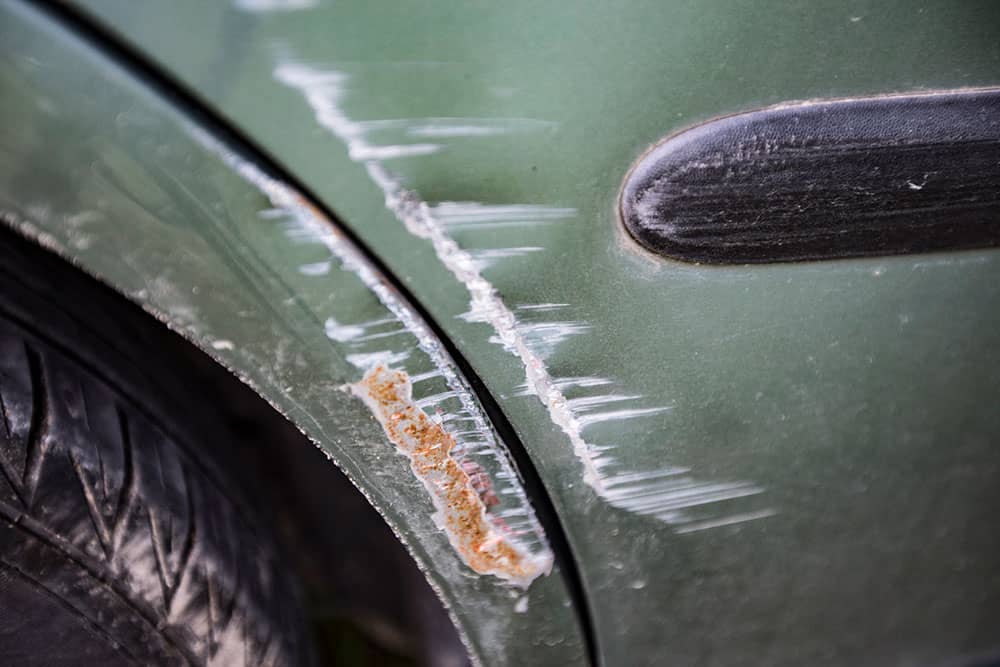
The dreaded scrape. That sinking feeling when you realize your beloved vehicle has acquired a new unwelcome mark – a paint scuff. For decades, the process of buffing it out has remained largely unchanged: elbow grease, specialized compounds, and a healthy dose of patience. But the automotive landscape is evolving at a breakneck pace, and even something as seemingly mundane as paint correction is ripe for innovation. This article delves into how traditional methods are being revolutionized and how upcoming technologies, particularly within the electric vehicle (EV) space and smart automotive solutions, are poised to transform the way we deal with paint scuffs.
The Current State: A Manual Affair
The traditional method of buffing out paint scuffs relies heavily on physical abrasion. First, the area is cleaned and assessed. Then, progressively finer abrasive compounds are used to carefully remove the scratched layer of paint, blending it with the surrounding area. This process requires skill and experience; too much pressure or the wrong compound can easily worsen the damage, leading to a costly repaint. Electric buffers have improved efficiency, but the core principle remains the same: manual control and human judgement.
However, this reliance on manual labor presents several challenges. Consistency is difficult to achieve, and the process can be time-consuming, especially for larger or more intricate scuffs. Furthermore, the skill required means that professional detailing services are often expensive. For the average car owner, attempting DIY repair can be daunting, with a significant risk of making the problem worse.
The Dawn of Automation: AI and Robotics to the Rescue?
Enter the age of automation. The automotive industry is embracing robotics and artificial intelligence (AI) in manufacturing, and it’s only a matter of time before these technologies are applied to paint correction. Imagine a robotic arm equipped with advanced sensors and AI algorithms capable of analyzing the depth, extent, and color of a paint scuff with pinpoint accuracy. This system could then automatically select the appropriate compound and buffing technique, applying just the right amount of pressure and speed to restore the paint to its original condition.
This vision isn't purely science fiction. Companies are already developing AI-powered diagnostic tools that can assess paint damage with greater precision than the human eye. Coupled with advancements in robotic dexterity, we can foresee a future where automated paint correction becomes a common service, potentially even offered at mobile repair stations. This would not only improve consistency and efficiency but also make paint repair more accessible and affordable.
The EV Factor: Lighter, Thinner, More Vulnerable?
The rise of electric vehicles also plays a crucial role. EVs are often constructed with lighter materials to maximize range, which can sometimes translate to thinner paint layers that are more susceptible to damage. Furthermore, the emphasis on aerodynamics in EV design can lead to more complex body shapes, making manual paint correction more challenging. This increased vulnerability underscores the need for more advanced and precise repair techniques.
However, the EV revolution also brings opportunities. Many EVs are equipped with advanced driver-assistance systems (ADAS), including cameras and sensors that can detect and potentially even prevent minor collisions that cause paint scuffs in the first place. As these systems become more sophisticated, they can play a proactive role in preserving the vehicle's finish.
Smart Automotive Solutions: Predictive Maintenance and Self-Healing Paint
Beyond robotics and AI, smart automotive solutions are paving the way for even more radical advancements. Predictive maintenance, using sensor data to anticipate potential problems before they arise, could be extended to paint condition. Imagine sensors embedded in the paint itself, monitoring its integrity and alerting the owner to microscopic damage before it becomes visible. This would allow for proactive intervention, preventing minor scuffs from escalating into larger, more costly repairs.
Perhaps the most visionary development is self-healing paint technology. Researchers are exploring materials that can repair minor scratches and scuffs autonomously, using heat or UV light to trigger a chemical reaction that fills in the damaged area. While still in its early stages of development, self-healing paint has the potential to revolutionize the automotive industry, eliminating the need for traditional paint correction altogether. This technology represents a fundamental shift in how we approach vehicle maintenance, moving from reactive repair to proactive prevention.
Challenges Ahead: Cost, Complexity, and Ethical Considerations
The path towards automated and self-healing paint correction is not without its challenges. The initial cost of implementing these technologies will likely be high, potentially limiting their accessibility to premium vehicles. The complexity of these systems will also require specialized training and maintenance, creating new demands on the automotive service industry.
Furthermore, the ethical implications of AI-powered diagnostic and repair systems must be considered. Ensuring fairness, transparency, and accountability in these systems will be crucial to building trust and preventing bias. The key is responsible innovation, prioritizing human well-being and environmental sustainability alongside technological advancement.
A Vision for the Future: Seamless Mobility and Pristine Finishes
The future of paint correction is inextricably linked to the broader evolution of mobility. As vehicles become more autonomous, connected, and electric, the focus will shift from individual ownership to shared mobility services. In this future, maintaining a pristine vehicle finish will be even more critical, as it contributes to the overall user experience and brand image. We envision a world where paint scuffs are a thing of the past, thanks to a combination of advanced driver-assistance systems, self-healing paint, and AI-powered robotic repair stations. Mobility will be seamless, sustainable, and aesthetically pleasing, allowing us to focus on the journey rather than the blemishes along the way. The pursuit of a perfect finish is not just about aesthetics; it's about embracing a future where technology enhances our lives and creates a more enjoyable and sustainable transportation ecosystem. The future of automotive care is bright, driven by innovation and a commitment to excellence.