
How Do You Clean The Inside Of Headlights
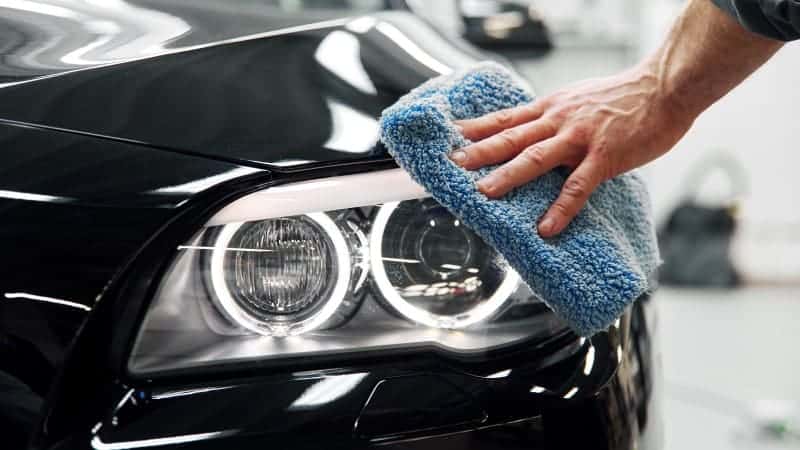
The shimmering gleam of headlights – a car's eyes in the night. We often focus on their external brilliance, but what about the often-neglected interiors? A hazy, yellowed inner surface can dramatically reduce light output, compromising safety and diminishing the aesthetic appeal of even the most advanced vehicles. Cleaning the inside of headlights is becoming increasingly important as headlight technology advances, especially in the context of the shift towards electric vehicles (EVs) and sophisticated driver-assistance systems (ADAS).
The Challenge of Sealed Beams and Complex Optics
Traditionally, cleaning headlight interiors was a relatively straightforward process on older cars with easily accessible bulbs. However, modern vehicles, particularly EVs and hybrids, often feature sealed headlight units with intricate internal optics. Access is limited, and disassembly can be incredibly complex, sometimes even requiring specialized tools and voiding warranties. Furthermore, the internal components can be delicate, making DIY cleaning a risky proposition. The use of advanced lighting technologies like LEDs and lasers, while providing superior illumination and efficiency, adds another layer of complexity. These components are highly sensitive to contamination and require careful handling.
Current Cleaning Methods: A Mixed Bag
Current methods for cleaning headlight interiors range from DIY remedies to professional services. DIY approaches often involve rinsing with soapy water or specialized headlight cleaners through the bulb socket, followed by compressed air drying. This carries the risk of water damage to sensitive electronics and can leave behind streaks or residue, ironically worsening the problem. Professional services typically employ specialized tools, such as flexible rods with microfiber attachments, or ultrasonic cleaning techniques. These methods are more effective but also more expensive. Some services offer headlight restoration kits that include polishing compounds for the exterior lens and internal cleaning solutions, but the longevity of these solutions can vary significantly depending on environmental factors and the quality of the product.
The Electric Vehicle and ADAS Impact
The rise of EVs and hybrids intensifies the need for pristine headlights. Firstly, EVs prioritize energy efficiency. Diminished headlight output due to internal clouding forces the system to work harder, drawing more power and reducing range. While the impact might seem marginal, every little bit counts in maximizing EV efficiency. Secondly, ADAS systems rely heavily on clear and consistent illumination. Many advanced driver-assistance features, such as adaptive cruise control and lane-keeping assist, use cameras and sensors to interpret the road ahead. Cloudy headlights can impair the performance of these systems, potentially compromising safety. As EVs become more sophisticated with enhanced autonomous capabilities, the demand for perfectly functioning headlights will only increase.
Future Innovations: Self-Cleaning Headlights and Beyond
The automotive industry is actively exploring innovative solutions to address the challenge of headlight cleaning. One promising area is the development of self-cleaning headlights. These systems could incorporate several approaches. One possibility is the use of electrostatic or piezoelectric actuators to vibrate internal components, dislodging dust and debris. Another approach could involve integrating miniature spray nozzles that periodically dispense a cleaning solution, followed by air drying. Nano-coatings that repel dust and moisture are also being investigated to prevent buildup in the first place. These coatings, applied to both the interior and exterior lens, would significantly reduce the need for manual cleaning.
Furthermore, AI-powered diagnostic systems could play a crucial role in identifying and addressing headlight issues proactively. These systems could monitor light output, internal temperature, and other parameters to detect early signs of clouding or contamination. This information could then be used to trigger automated cleaning cycles or alert the driver to schedule professional maintenance. In the future, we might even see modular headlight designs that allow for easier access and replacement of individual components, making cleaning and repair more efficient and cost-effective.
Challenges and Realistic Expectations
While these innovations hold immense promise, several challenges remain. Self-cleaning systems must be reliable, durable, and energy-efficient. They must also be cost-effective to integrate into mainstream vehicles. Nano-coatings need to be resistant to abrasion, UV degradation, and chemical exposure. Furthermore, ensuring compatibility with existing headlight designs and regulatory standards is crucial. The automotive industry must also address the environmental impact of cleaning solutions and manufacturing processes associated with these new technologies. Realistically, widespread adoption of self-cleaning headlights and advanced diagnostic systems may take several years, requiring significant investment in research and development.
A Vision for the Future of Automotive Lighting
The future of automotive lighting is not just about brighter headlights; it's about creating intelligent, self-maintaining systems that enhance safety, efficiency, and aesthetics. As mobility evolves, our headlights will become more than just sources of illumination; they will be integrated sensors, dynamic communicators, and self-regulating guardians of the road ahead. Imagine headlights that automatically adjust their beam pattern based on weather conditions, traffic patterns, and the presence of pedestrians or cyclists. Picture headlights that can project information onto the road, guiding drivers and alerting other road users to potential hazards. This is the vision that drives innovation in automotive lighting – a future where our cars see better, and in turn, help us see better, creating a safer and more connected driving experience for all.