
How Do You Fix A P0301 Cylinder 1 Misfire
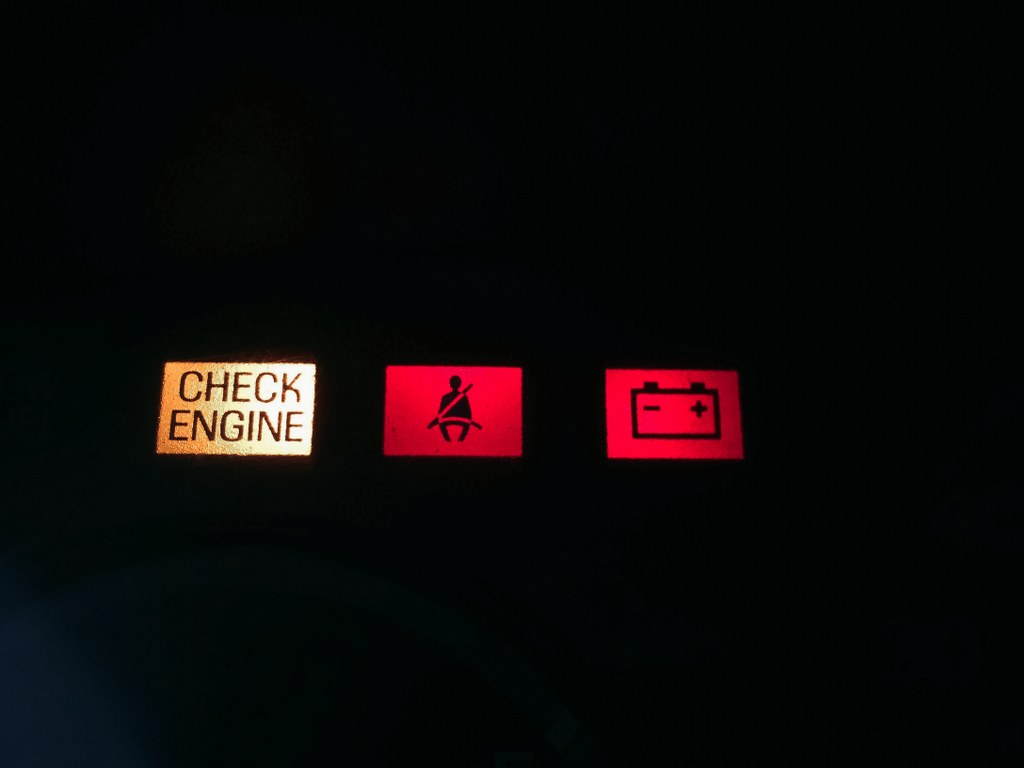
A P0301 trouble code signifies that your vehicle's computer has detected a misfire in Cylinder #1. This isn't just an annoyance; it can lead to reduced fuel economy, rough idling, and potentially damage your catalytic converter. Think of it as your car's way of saying, "Hey, something's not right in the engine's Cylinder 1!" But don't panic! While it sounds intimidating, troubleshooting and resolving a P0301 is something many car enthusiasts, owners, and hobby mechanics can tackle with the right knowledge and approach.
Understanding the Basics: What is a Misfire?
Before we dive into fixes, let's clarify what a misfire actually *is*. Inside each cylinder of your engine, a precise process needs to occur: air and fuel mix, the mixture is compressed, and then the spark plug ignites it, creating an explosion that pushes the piston down, turning the crankshaft, and ultimately powering your wheels. A misfire happens when one of these critical steps fails to occur efficiently or at all in Cylinder 1.
Imagine a V6 engine in a Toyota Camry. Each of those six cylinders needs to fire correctly to provide smooth, efficient power. If Cylinder 1 in that Camry starts misfiring, you'll likely feel a shudder, especially at idle, and the check engine light will illuminate.
Common Causes of a P0301 Misfire
Identifying the root cause is half the battle. Here are some of the most frequent culprits behind a P0301:
1. Faulty Spark Plug
This is often the first place to look, and the easiest to fix. Spark plugs create the spark needed to ignite the air-fuel mixture. Over time, they can wear down, become fouled with deposits, or simply fail. A worn spark plug can weaken the spark, leading to incomplete combustion and a misfire.
Example: A 2010 Honda Civic with 100,000 miles on the original spark plugs might very well be experiencing a P0301 due to worn-out plugs. The fix could be as simple as replacing all the spark plugs, not just the one in Cylinder 1, to ensure even performance across all cylinders. Refer to your owner's manual for the correct spark plug type and replacement intervals.
2. Ignition Coil Issues
Ignition coils provide the high-voltage electrical pulse that the spark plugs need to fire. Modern cars often use a "coil-on-plug" design, where each cylinder has its own dedicated coil. A failing coil can deliver insufficient voltage, resulting in a weak or nonexistent spark in Cylinder 1.
Example: Suppose a 2015 Ford F-150 with the 3.5L EcoBoost engine is throwing a P0301 code. You can test the ignition coil for Cylinder 1 using a multimeter to check its resistance. Comparing the resistance reading to the other coils can quickly indicate if the Cylinder 1 coil is faulty. Swapping the Cylinder 1 coil with the coil from Cylinder 2 and clearing the code, then seeing if the code changes to P0302 (Cylinder 2 misfire) will confirm the bad coil.
3. Fuel Injector Problems
Fuel injectors spray a precise amount of fuel into the cylinder. If the fuel injector for Cylinder 1 is clogged, leaking, or malfunctioning, it won't deliver the correct fuel-air mixture, leading to a misfire. A clogged injector can restrict fuel flow, while a leaking injector can flood the cylinder.
Example: In a 2008 Chevrolet Corvette, a P0301 could be caused by a clogged fuel injector in Cylinder 1. Fuel injector cleaner added to the fuel tank *might* resolve a minor clog. However, more severe blockages may require professional cleaning or replacement of the fuel injector.
4. Vacuum Leaks
Vacuum leaks allow unmetered air to enter the engine, disrupting the air-fuel mixture. This can lean out the mixture in Cylinder 1, causing a misfire. Vacuum leaks can occur in various places, such as intake manifold gaskets, vacuum hoses, or even the brake booster.
Example: On an older BMW 3 Series (E46), brittle vacuum hoses are common. A leak in a hose connected to the intake manifold near Cylinder 1 could trigger a P0301. A simple visual inspection of vacuum hoses, followed by a "smoke test" (introducing smoke into the intake system to reveal leaks) can help identify the source.
5. Low Compression
Compression is the measure of how well the cylinder seals and compresses the air-fuel mixture. Low compression in Cylinder 1 means that the mixture isn't being properly compressed, hindering ignition and combustion. This can be due to worn piston rings, damaged valves, or a blown head gasket.
Example: A Subaru WRX with high mileage and a history of aggressive driving might develop low compression in one or more cylinders. Performing a compression test is crucial in this case. A significantly lower reading in Cylinder 1 compared to the other cylinders strongly suggests a compression problem. This is often a more serious repair requiring engine work.
6. Wiring Issues
Damaged or corroded wiring to the spark plug, ignition coil, or fuel injector in Cylinder 1 can interrupt the electrical signals needed for proper operation. Mice chewing on wires is a common problem, as is corrosion build-up around electrical connectors.
Example: In a Nissan Altima that has been sitting for a while, corrosion might have formed on the connector for the Cylinder 1 ignition coil. Cleaning the connector with electrical contact cleaner and ensuring a secure connection can sometimes resolve the issue.
Troubleshooting Steps: A Systematic Approach
Here's a step-by-step approach to diagnosing a P0301 misfire:
- Read the Code: Use an OBD-II scanner to confirm the P0301 code. There might be other codes present that provide additional clues.
- Visual Inspection: Check the spark plug wire (if applicable) and the wiring to the ignition coil and fuel injector for Cylinder 1. Look for damage, corrosion, or loose connections.
- Spark Plug Inspection: Remove the spark plug from Cylinder 1 and examine it. Look for signs of wear, fouling, or damage. Compare it to the other spark plugs.
- Coil Swap Test: If you suspect a bad ignition coil, swap it with the coil from another cylinder (e.g., Cylinder 2). Clear the code and see if the misfire moves to the cylinder you swapped the coil to (P0302).
- Fuel Injector Test: This is a bit more complex. You can try listening to the injectors with a stethoscope to see if they are clicking, indicating they are firing. Some advanced scanners can also activate individual fuel injectors to test them. You can also test for injector pulse with a noid light.
- Vacuum Leak Test: Inspect vacuum hoses for cracks or disconnections. Use a smoke machine to introduce smoke into the intake system and identify leaks.
- Compression Test: If other tests don't reveal the problem, perform a compression test on all cylinders, including Cylinder 1. A significantly lower reading in Cylinder 1 indicates a compression issue.
Tools You'll Need
Depending on the troubleshooting steps you take, you'll likely need the following tools:
- OBD-II Scanner
- Spark Plug Socket and Wrench
- Multimeter
- Socket Set and Wrench Set
- Screwdrivers
- Vacuum Hose Inspection Tool (optional)
- Compression Tester
- Electrical Contact Cleaner
Practical Takeaways
Here's what you should remember about fixing a P0301 misfire:
- Start with the Basics: Begin with the easiest and most common causes, like spark plugs and ignition coils.
- Be Systematic: Follow a logical troubleshooting process to avoid wasting time and money.
- Don't Ignore Other Codes: Pay attention to any other trouble codes that might be present, as they could provide valuable clues.
- Use Quality Parts: When replacing parts, use high-quality components from reputable brands.
- Know Your Limits: If you're not comfortable performing certain tests or repairs, don't hesitate to seek professional help from a qualified mechanic. Low compression issues, for example, often require specialized knowledge and tools.
By understanding the causes of a P0301 misfire and following a methodical approach, you can often diagnose and resolve the problem yourself, saving time and money. However, remember that safety is paramount. Always disconnect the negative battery cable before working on the electrical system and take necessary precautions when working with fuel and other potentially hazardous fluids.