
How Do You Fix A Throttle Position Sensor
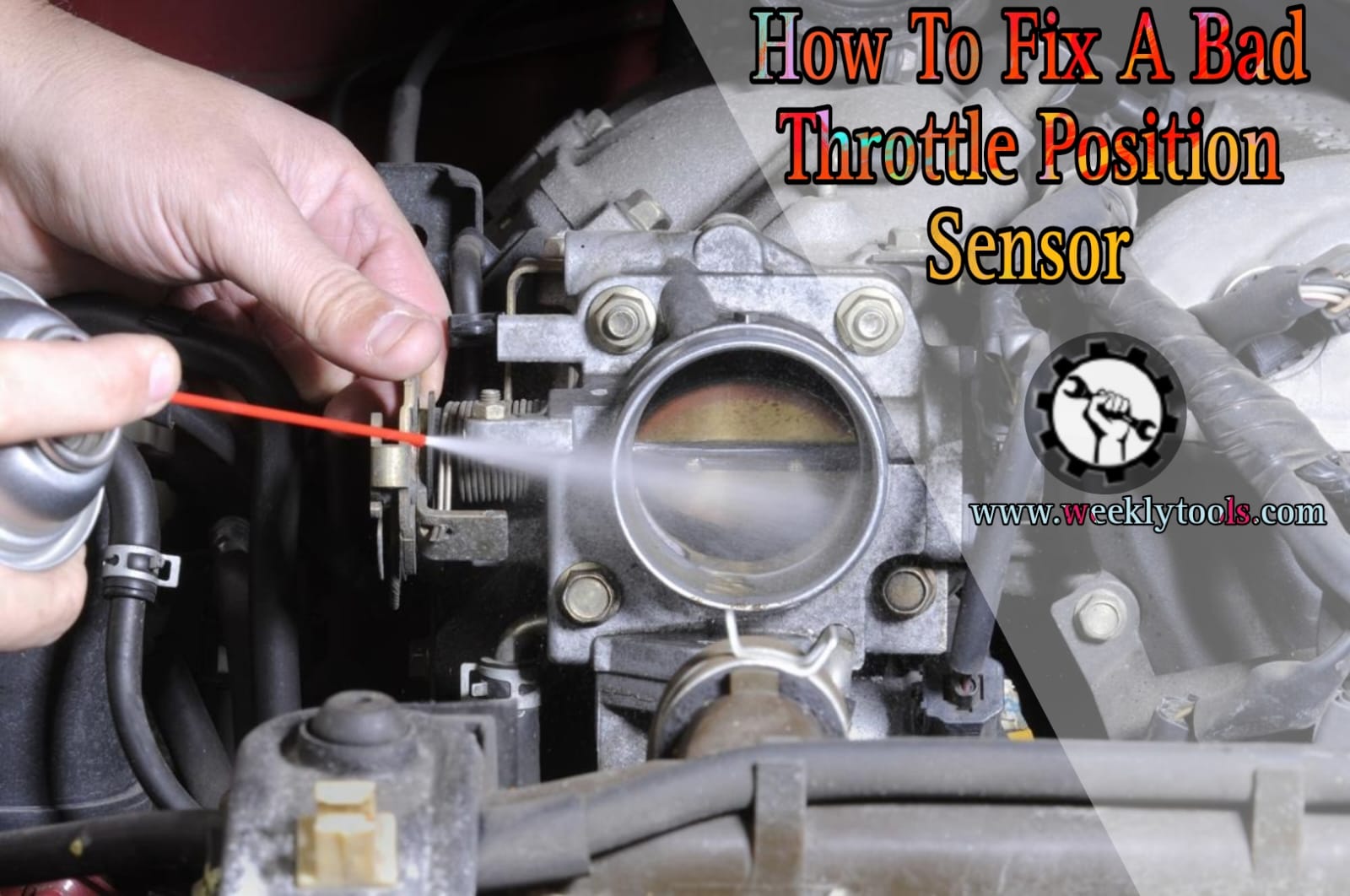
The humble Throttle Position Sensor (TPS), a component often overlooked, sits at the heart of internal combustion engine (ICE) control. For decades, diagnosing and replacing a faulty TPS has been a staple skill for automotive technicians. But as we hurtle towards an electrified future, and even within the complexities of hybrid systems, the very definition of a TPS, and the methods to troubleshoot its modern equivalent, are undergoing a radical transformation.
The Evolving Role of Throttle Control
In traditional ICE vehicles, the TPS directly measures the position of the throttle plate, relaying this information to the engine control unit (ECU). The ECU uses this data, along with other sensor inputs, to determine the optimal fuel injection, ignition timing, and air-fuel mixture. A failing TPS can lead to a host of issues, from rough idling and hesitation to outright stalling. The classic fix involved using a multimeter to check the sensor's voltage output, identifying dead spots or inconsistencies, and ultimately replacing the sensor.
However, the landscape is shifting. Electric Vehicles (EVs) don't have throttle plates, and even hybrid vehicles often employ electronic throttle control systems, also known as 'drive-by-wire'. In these systems, the accelerator pedal position sensor (APPS), often redundantly designed for safety, takes the place of the traditional TPS. The APPS sends a signal to the vehicle's control system, which then commands the electric motor or the hybrid powertrain to deliver the desired power. So, how do you "fix" a TPS in this new context?
The answer lies in understanding that the function of the TPS – monitoring driver intent for power delivery – remains crucial. The diagnostic process, however, becomes far more sophisticated. Instead of simply checking voltage across a sensor, technicians will increasingly rely on advanced diagnostic tools and software to analyze complex data streams from multiple sensors and control modules. This includes scrutinizing data from the APPS, the motor controller (in EVs), the battery management system (BMS), and even advanced driver-assistance systems (ADAS) that might influence throttle response.
Challenges and Opportunities in the New Mobility Era
This transition presents both challenges and opportunities. On the challenge side, the complexity of modern vehicle systems requires a higher level of technical expertise. Technicians will need to be proficient in software diagnostics, data analysis, and network communication protocols like CAN bus. The reliance on proprietary software and diagnostic tools from manufacturers can also create barriers to independent repair shops, potentially increasing costs for consumers. Furthermore, ensuring cybersecurity within these interconnected systems becomes paramount. A compromised APPS or motor controller could have catastrophic consequences.
Yet, the opportunities are significant. The move to electric and hybrid powertrains allows for more precise and efficient control over power delivery. Smart automotive solutions, like predictive maintenance algorithms, can proactively identify potential sensor failures before they lead to breakdowns. Over-the-air (OTA) updates can address software glitches and improve system performance without requiring a visit to the dealership. The data-driven approach to diagnostics also opens the door to more personalized driving experiences, where the vehicle adapts its throttle response and performance characteristics to the driver's preferences.
Imagine a future where your car's AI anticipates a failing APPS based on subtle changes in sensor data over time. The system automatically orders a replacement part and schedules a service appointment at a convenient time, minimizing downtime and preventing a potential breakdown. Or, envision a hybrid vehicle that intelligently optimizes the use of its electric motor and gasoline engine based on real-time traffic conditions and driver behavior, maximizing fuel efficiency and reducing emissions. These are not futuristic fantasies; they are tangible possibilities driven by the evolution of throttle control technology.
The Future of "Fixing" the TPS
The days of simply replacing a physical sensor are fading. The future of "fixing" the TPS involves a holistic approach to vehicle diagnostics, integrating data from multiple sources and leveraging the power of artificial intelligence. It demands a shift in skillset for automotive technicians, requiring them to be as comfortable with software and data analysis as they are with wrenches and multimeters. Training programs will need to adapt to this new reality, equipping technicians with the knowledge and tools to diagnose and repair increasingly complex vehicle systems. Collaboration between manufacturers, independent repair shops, and technology providers will be crucial to ensure a seamless and accessible service experience for consumers.
Ultimately, the evolution of the TPS reflects the broader transformation of the automotive industry. We are moving from a world of mechanical simplicity to one of electronic sophistication, where software and data are as important as hardware and components. While the challenges are real, the potential benefits – increased efficiency, improved safety, and a more personalized driving experience – are too significant to ignore. Embrace the change, learn the new skills, and be ready to "fix" the TPS of the future: not by replacing a sensor, but by mastering the art of intelligent automotive diagnostics.
The journey ahead is paved with innovation. The future of mobility is electric, connected, and autonomous, and it all begins with precisely understanding and responding to the driver's desire for power - the very essence of what the TPS, in all its evolving forms, represents.