
How Do You Get Oil Stains Out Of Concrete
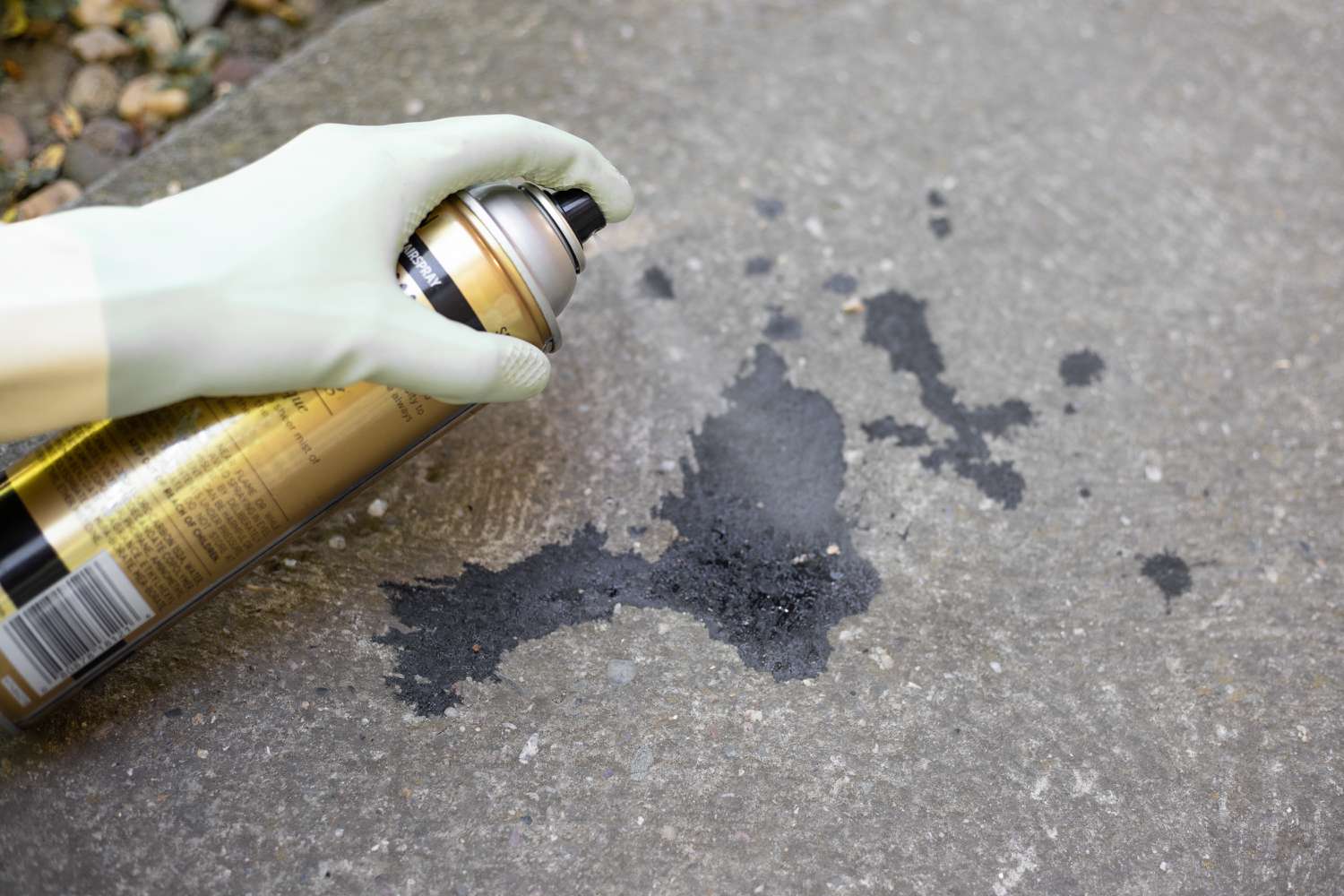
Oil stains on concrete are a persistent problem for automotive professionals, impacting workshop aesthetics and potentially posing safety hazards. Effective removal requires understanding the chemical interaction between oil and concrete, and selecting the appropriate cleaning method. This article delves into the technical aspects of oil stain removal, comparing various approaches, and providing insights for long-term stain prevention.
Understanding the Enemy: Oil and Concrete
Concrete, a porous composite material primarily composed of cement, aggregates, and water, is susceptible to oil penetration. Oil, a complex mixture of hydrocarbons, is hydrophobic, meaning it repels water. This property facilitates its ingress into concrete pores, where it binds strongly, making removal challenging. The **key mechanism** is capillary action, drawing the oil deep into the concrete matrix.
Methods of Oil Stain Removal: A Comparative Analysis
Several methods exist for removing oil stains from concrete, each with its own advantages and disadvantages:
1. Absorbents: The Initial Line of Defense
Absorbents like clay kitty litter, diatomaceous earth, or commercially available granular absorbents are effective for soaking up fresh oil spills. The **principle** is simple: the absorbent material's high surface area facilitates oil adsorption. Pros: Inexpensive, readily available, and environmentally friendly (especially natural absorbents). Cons: Limited effectiveness on older, deeply ingrained stains. Requires manual application and disposal. Engineering considerations involve particle size distribution for optimal absorption capacity.
2. Detergents and Degreasers: Chemical Warfare
Detergents and degreasers, often containing surfactants, work by emulsifying the oil, breaking it down into smaller droplets that can be washed away. The **effectiveness** hinges on the type of detergent. Alkaline detergents are generally more effective at saponifying (turning fats into soap) petroleum-based oils. Pros: Relatively easy to apply, often effective on moderately stained surfaces. Cons: Requires thorough rinsing to prevent residue buildup. Can be environmentally damaging if improperly disposed of. Some detergents may etch or discolor concrete. Reliability is affected by the concentration and dwell time used. Careful selection is crucial; pH levels must be considered to avoid concrete damage.
3. Pressure Washing: The Brute Force Approach
Pressure washing uses high-pressure water jets to physically dislodge the oil from the concrete surface. The **effectiveness** is dependent on the pressure (PSI) and flow rate (GPM) of the washer. Hot water pressure washing is generally more effective as it lowers the oil's viscosity, making it easier to remove. Pros: Fast and efficient for surface stains. Cons: Can damage concrete surfaces if excessive pressure is used. May not effectively remove deeply embedded oil. Requires specialized equipment and safety precautions. Water management and runoff disposal are critical environmental concerns. The choice of nozzle (e.g., fan, rotary) impacts surface impact and cleaning efficiency.
4. Chemical Solvents: The Heavy Artillery
Chemical solvents like mineral spirits, acetone, or xylene can dissolve oil stains. However, their use requires extreme caution due to flammability and toxicity. The **mechanism** involves dissolving the oil and carrying it away. Pros: Highly effective on stubborn stains. Cons: Hazardous to health and the environment. Requires proper ventilation and protective gear. Can damage concrete and surrounding materials. Regulations regarding VOC emissions may restrict their use. Their solvency power also needs to be balanced with the potential damage they can cause to the concrete itself.
5. Biological Cleaners: The Eco-Friendly Option
Biological cleaners contain microorganisms that digest oil stains. These cleaners are environmentally friendly and relatively safe to use. The **process** involves the bacteria consuming the oil as a food source. Pros: Environmentally friendly, non-toxic, and effective over time. Cons: Slower acting than other methods. May require multiple applications. Effectiveness can be influenced by temperature and pH levels. They rely on bacterial colony growth, meaning their performance is influenced by environmental factors that can take time to stabilize and show results.
6. Poultices: Drawing Out the Deep-Seated Stains
A poultice involves mixing an absorbent material (like baking soda, diatomaceous earth, or a commercial poultice powder) with a solvent or detergent to create a paste. This paste is applied to the stain, covered with plastic, and allowed to dry, drawing the oil out of the concrete pores. Pros: Effective for deep-set stains, good for localized treatment. Cons: Time-consuming, requires multiple applications, messy. The choice of absorbent and solvent is key to its effectiveness. Engineering considerations involve the pore size and absorption capacity of the poultice material.
Reliability, Maintenance, and Prevention
The reliability of oil stain removal depends heavily on the chosen method and the age/severity of the stain. Regular cleaning and preventative measures are crucial. Applying a concrete sealer after cleaning can help prevent future oil penetration. Choosing sealers designed for automotive environments, with high resistance to petroleum products, is essential. Proper maintenance includes immediate cleanup of spills and routine pressure washing.
Future Trends in Oil Stain Removal
Future trends focus on developing more environmentally friendly and effective cleaning solutions. Nanotechnology is being explored to create coatings that repel oil and facilitate easier cleaning. Advanced biological cleaners with enhanced enzyme activity are also under development. Self-cleaning concrete, incorporating photocatalytic materials, holds promise for minimizing staining.
Forward-Looking Note: Automotive Industry and Environmental Responsibility
The automotive industry is increasingly focused on sustainability. Implementing effective and environmentally responsible oil stain removal practices is a crucial aspect of this commitment. Adopting best practices for spill prevention, proper waste disposal, and the use of eco-friendly cleaning solutions will not only improve workshop aesthetics but also contribute to a more sustainable future for the industry.