
How Do You Get Rid Of Mildew Smell In Car
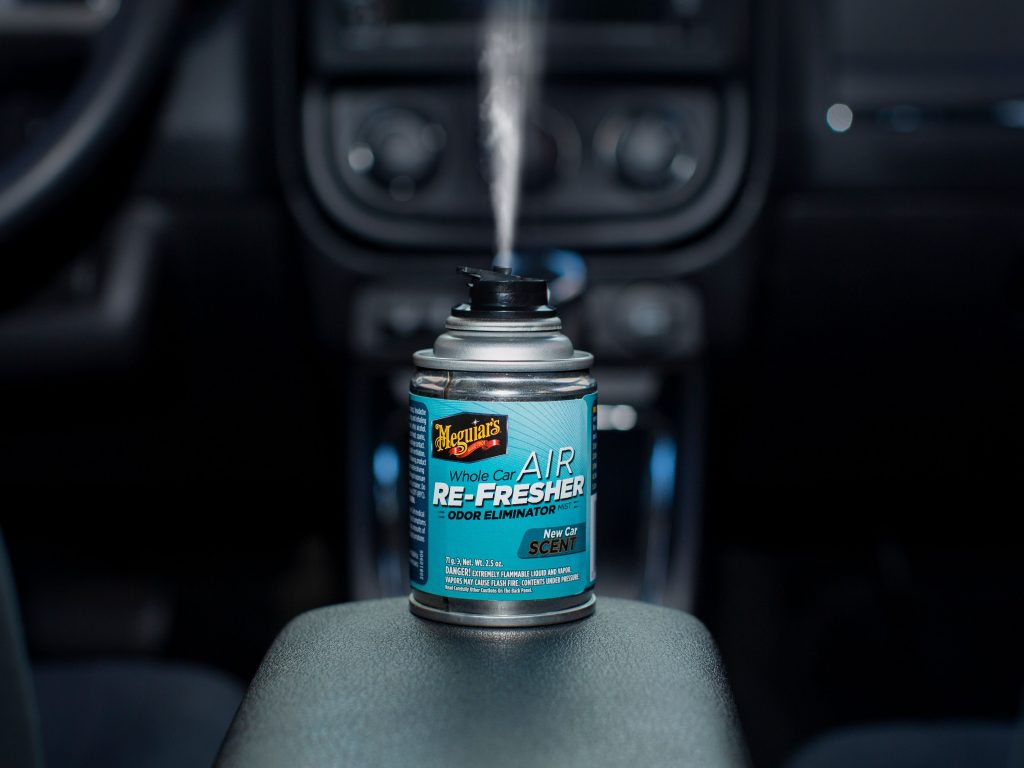
That musty, unpleasant odor wafting through your car? It's likely mildew, the unwelcome guest that thrives in damp, dark environments. Getting rid of it requires understanding its cause and implementing a multi-pronged approach. Whether you own a classic Mustang, a reliable Toyota Camry, or a rugged Jeep Wrangler, mildew doesn't discriminate. Here's how to evict it for good.
Understanding the Enemy: Mildew and Your Car
Mildew is a type of fungus that thrives in humid conditions. In a car, common culprits for moisture buildup include:
- Leaky Windows and Seals: Even a small crack in a window seal or a worn-out weatherstrip can allow rainwater to seep in. Think of older BMW 3 Series models, where door seals can become brittle with age, leading to leaks.
- Spilled Drinks and Food: Sugary drinks and food particles are a feast for mildew. Imagine a dropped soda in a Honda Civic – the residue can quickly breed mold if not cleaned properly.
- Wet Carpets and Upholstery: Tracking in rain or snow on your shoes, or leaving wet towels in the car, creates a breeding ground. Convertibles, like Mazda Miatas, are particularly susceptible if the top isn't properly sealed during rain.
- Clogged Air Conditioning Drain: The AC system produces condensation, which is normally drained away. A clogged drain can cause moisture to back up into the evaporator core, leading to mildew growth. This is a common issue in vehicles like Ford F-150 trucks, especially those driven frequently in humid climates.
Mildew not only smells bad but can also trigger allergies and respiratory problems. It's essential to address it promptly.
The Detection Process: Sniffing Out the Source
Finding the source of the mildew smell is crucial. Here's a step-by-step approach:
- The Sniff Test: Systematically sniff around the car, paying close attention to the floorboards, seats, trunk, and air vents. Note where the smell is strongest.
- Visual Inspection: Look for visible signs of mold or discoloration on carpets, upholstery, and headliner. Use a flashlight to inspect dark corners and under seats.
- Check the Trunk: Lift the spare tire cover and inspect for moisture or mildew. The trunk is a prime location for water accumulation, especially in cars with rear-end collisions that may have compromised the seals.
- Inspect the AC System: Run the air conditioning and smell the vents. A mildewy smell indicates a problem with the evaporator core or drain.
The Remediation Arsenal: Tools and Techniques
Once you've identified the source, it's time to fight back. Here are several effective methods:
1. Drying and Ventilation
This is the most fundamental step. Mildew needs moisture to survive, so depriving it of water is key.
- Open Windows and Doors: On a sunny day, open all the windows and doors to allow fresh air to circulate. This is particularly effective after cleaning any damp areas.
- Use a Dehumidifier: Place a small dehumidifier inside the car to draw out excess moisture. Close the windows and doors while the dehumidifier is running.
- Baking Soda: Place open boxes of baking soda throughout the car. Baking soda is a natural odor absorber and will help draw out moisture.
2. Cleaning the Affected Areas
Removing visible mold and mildew is essential. Always wear gloves and a mask when cleaning mold to protect yourself from spores.
- Vacuuming: Thoroughly vacuum carpets, upholstery, and any other affected surfaces. Use a vacuum with a HEPA filter to trap mold spores.
- Carpet and Upholstery Cleaner: Use a commercial carpet and upholstery cleaner specifically designed to kill mold and mildew. Follow the manufacturer's instructions carefully. For example, Meguiar's and Chemical Guys both offer excellent car-specific cleaners. Test the cleaner on an inconspicuous area first to ensure it doesn't damage the fabric.
- Vinegar Solution: A solution of equal parts white vinegar and water is a natural and effective mildew killer. Spray the affected area, let it sit for 10-15 minutes, and then wipe it clean. Vinegar's acidity helps neutralize mold growth.
- Steam Cleaning: Steam cleaning is a powerful way to kill mold and mildew. The high temperature of the steam penetrates deep into fabrics and carpets, killing mold spores on contact. Professional detailing services often use steam cleaning equipment.
3. Addressing the AC System
A mildewy AC system requires special attention.
- AC Evaporator Cleaner: Use an AC evaporator cleaner spray to kill mold and bacteria in the system. These sprays are typically inserted into the AC vents or the evaporator drain. Follow the manufacturer's instructions carefully. Many auto parts stores sell specialized cleaners designed for this purpose.
- Check the Drain Hose: Locate the AC drain hose (usually under the car) and make sure it's not clogged. A bent paperclip or small wire can be used to clear any debris. This simple check can prevent future moisture buildup.
- Run the AC on High: After cleaning, run the AC on high with the windows open for a few minutes to help dry out the system.
4. Ozone Generators (Use with Caution)
Ozone generators can be effective at eliminating odors, including mildew. However, ozone is a powerful oxidant and can be harmful to your health if inhaled in high concentrations. Use ozone generators with extreme caution, following the manufacturer's instructions precisely, and never occupy the car while the generator is running. Always air out the car thoroughly after using an ozone generator.
Prevention is Key: Stopping Mildew Before it Starts
Preventing mildew is easier than getting rid of it. Here are some proactive measures:
- Regular Cleaning: Clean up spills and messes promptly. Vacuum the interior of your car regularly.
- Avoid Leaving Wet Items in the Car: Don't leave wet towels, clothes, or umbrellas in the car.
- Check for Leaks: Regularly inspect window seals and weatherstripping for cracks or damage. Address any leaks promptly.
- Use Floor Mats: Floor mats can help protect your carpets from moisture and dirt.
- Proper Ventilation: Periodically park your car in a sunny spot with the windows cracked open to allow air to circulate.
- AC Maintenance: Schedule regular maintenance for your AC system, including checking the drain hose and cleaning the evaporator core.
Practical Takeaways: Actionable Steps for a Mildew-Free Car
Here's a summary of the key steps to banish mildew from your beloved vehicle:
- Identify the Source: Pinpoint the location of the mildew smell.
- Dry It Out: Open windows, use a dehumidifier, and employ baking soda to absorb moisture.
- Clean Thoroughly: Vacuum, use carpet and upholstery cleaner, or apply a vinegar solution.
- Address the AC: Clean the evaporator core and check the drain hose.
- Prevent Recurrence: Practice regular cleaning, check for leaks, and ensure proper ventilation.
By following these steps, you can effectively eliminate that unpleasant mildew smell and keep your car fresh and healthy for years to come. Remember, a little preventative maintenance goes a long way in keeping your ride smelling its best, whether it's a sporty Porsche 911 or a practical family minivan.