
How Do You Get The Check Engine Light Off
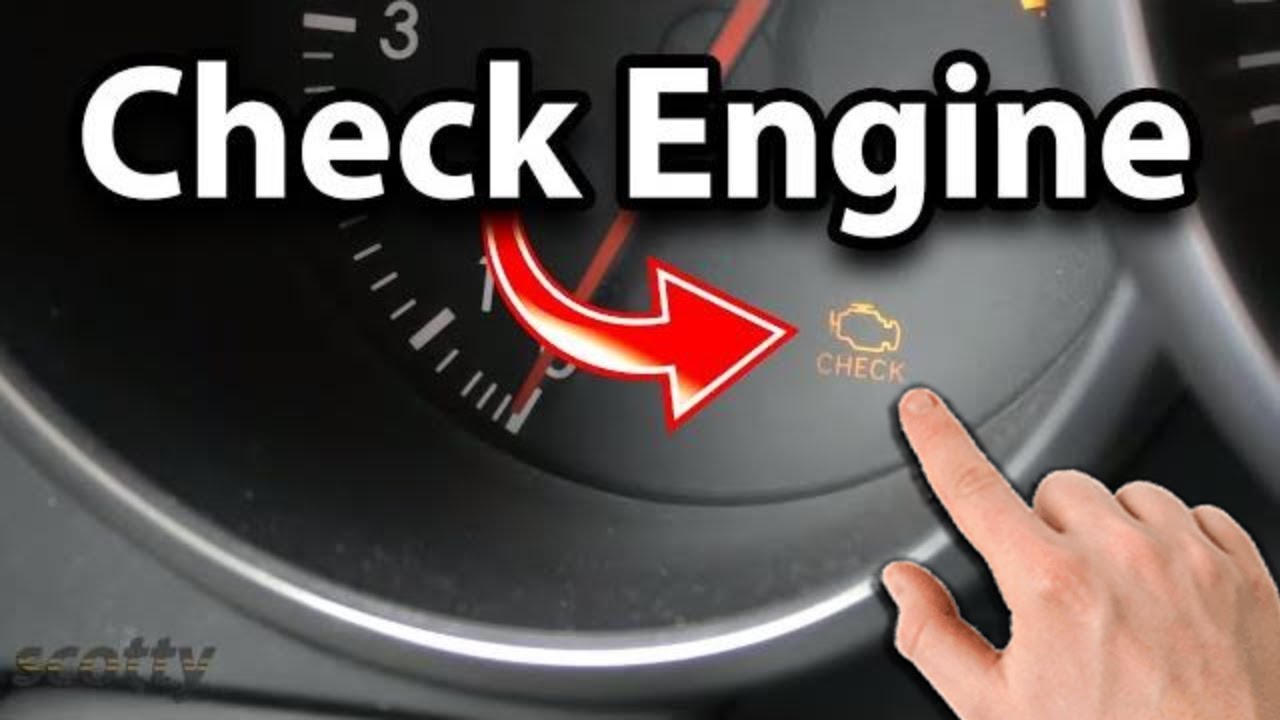
Ah, the dreaded check engine light (CEL). That little amber beacon on your dashboard that can range from a minor inconvenience to a full-blown automotive anxiety attack. Before you reach for the duct tape or electrician's pliers (please don't!), let's delve into the nuances of how to diagnose and potentially extinguish that glowing gremlin, considering the differences between various cars and their technologies.
Understanding the Enemy: What Triggers the CEL?
The CEL is your car's way of telling you that something isn't quite right with its engine management system. This system is a complex web of sensors, actuators, and computers all working in harmony to keep your engine running efficiently and cleanly. A fault in any of these components can trigger the light. Common culprits include a loose gas cap, a faulty oxygen sensor, a bad catalytic converter, or even a misfire in one of the cylinders.
However, the approach to tackling the CEL differs drastically depending on the car. A 1990s Honda Civic with a simple OBD-I system will have a different diagnostic process than a 2023 BMW M3 with its sophisticated OBD-II and potentially proprietary software.
The OBD Chronicles: I, II, and Beyond
OBD stands for On-Board Diagnostics. Think of it as your car's self-reporting system. The original OBD (OBD-I) systems, common in pre-1996 vehicles, were fairly rudimentary. Retrieving codes often required a specific tool or jumper wire to access diagnostic information, which varied wildly between manufacturers.
The introduction of OBD-II in 1996 standardized the diagnostic process across all makes and models sold in the US. This meant a universal diagnostic port (the now-familiar trapezoidal connector under the dash) and a standardized set of trouble codes. OBD-II provides significantly more data than OBD-I, including live sensor readings and detailed fault descriptions. Modern vehicles are moving towards even more advanced systems with enhanced data logging capabilities and remote diagnostics through connected car services.
Tools of the Trade: From Paperclips to Pro Scanners
Your weapon of choice in the fight against the CEL depends largely on your car and your budget. Here's a breakdown:
- OBD-I Reader/Jumper Wire: For older vehicles. Difficult to use and information is limited.
- Basic OBD-II Code Reader: Reads and clears basic trouble codes. Affordable and easy to use.
- Mid-Range OBD-II Scanner: Reads and clears codes, displays live sensor data, and often includes advanced features like freeze frame data.
- Professional-Grade Diagnostic Scanner: Offers bi-directional control (ability to command certain engine components), advanced diagnostic capabilities, and access to manufacturer-specific data. Often used by professional mechanics.
Spec Table: Code Reader Comparison
| Feature | Basic OBD-II Reader | Mid-Range OBD-II Scanner | Professional Scanner |
|---|---|---|---|
| Code Reading & Clearing | Yes | Yes | Yes |
| Live Sensor Data | No | Yes | Yes |
| Freeze Frame Data | Limited | Yes | Yes |
| Bi-Directional Control | No | Limited | Yes |
| Manufacturer-Specific Codes | No | Some | Yes |
| Price | $20 - $50 | $100 - $300 | $500+ |
The DIY Approach: Proceed with Caution!
So, you've got your code reader and pulled a code. Now what? Here's where things get tricky. Simply clearing the code without addressing the underlying issue is like putting a band-aid on a broken leg – the problem will likely return. Research the code thoroughly. Consult online forums, repair manuals, and reliable automotive websites.
Example: P0420 - Catalyst System Efficiency Below Threshold (Bank 1)
- Possible Causes: Faulty oxygen sensor, leaking exhaust, bad catalytic converter.
- DIY Fixes (proceed with caution!): Inspect exhaust for leaks, check oxygen sensor wiring.
- Professional Intervention: Catalytic converter replacement, diagnosis of complex exhaust system issues.
Pros and Cons of DIY CEL Repair:
- Pros: Save money, learn about your car, personal satisfaction.
- Cons: Potential to misdiagnose the problem, risk of damaging components, voiding warranties.
Model-Specific Quirks and Engine Foibles
Certain car models and engine families are known for specific CEL triggers. For instance, older Subaru models with the EJ25 engine are notorious for head gasket issues, which can trigger misfire codes and coolant-related errors. Early 2000s VW/Audi models are prone to vacuum leaks, leading to lean codes. European cars, in general, often have more sensitive emissions systems and may trigger CELs more readily than their American or Japanese counterparts.
Driving Impressions and the Lingering CEL
Let's say you've addressed the issue, cleared the code, and taken your car for a spin. Here's what to look for:
- Immediate Return: The CEL illuminates immediately. This suggests the problem is still present or the repair was unsuccessful.
- Delayed Return: The CEL comes back after a few miles or days of driving. This could indicate an intermittent problem or that the system needs more time to recalibrate.
- All Clear: The CEL stays off and the car runs smoothly. Congratulations! You've successfully conquered the CEL beast (for now).
Even after clearing the code, be mindful of your car's performance. Listen for unusual noises, monitor fuel economy, and pay attention to any changes in driving behavior. A lingering CEL can mask more serious underlying problems, so don't ignore it.
Real-world driving impression: After replacing a faulty mass airflow sensor on a friend's 2010 Mazda3 (following a P0171 code - System Too Lean), the car immediately ran smoother, fuel economy improved, and the CEL remained off. This highlights the importance of accurate diagnosis and proper repair.
Another example: Clearing the CEL on a 2015 BMW 328i with a catalytic converter code (P0420) only resulted in its return a few days later. A closer inspection revealed a cracked exhaust manifold, which was causing the issue. The catalytic converter was fine, showing the importance of a thorough diagnostic process.
In the realm of electric vehicles (EVs), the check engine light, while still present, may indicate issues related to the battery management system, motor controllers, or charging systems rather than traditional engine problems. Diagnosing CELs in EVs typically requires specialized diagnostic tools and expertise due to the complex nature of these systems.
The Bottom Line: A systematic approach, a dash of knowledge, and perhaps a well-placed prayer can go a long way in dealing with the check engine light. Don't be afraid to get your hands dirty, but know your limits and when to call in the professionals.
Now, for the fun part: Let's debate! Do you believe clearing a CEL without fixing the underlying issue is a temporary fix, a harmless reset, or a downright automotive sin? Let the arguments begin!