
How Do You Know If The Distributor Is Bad
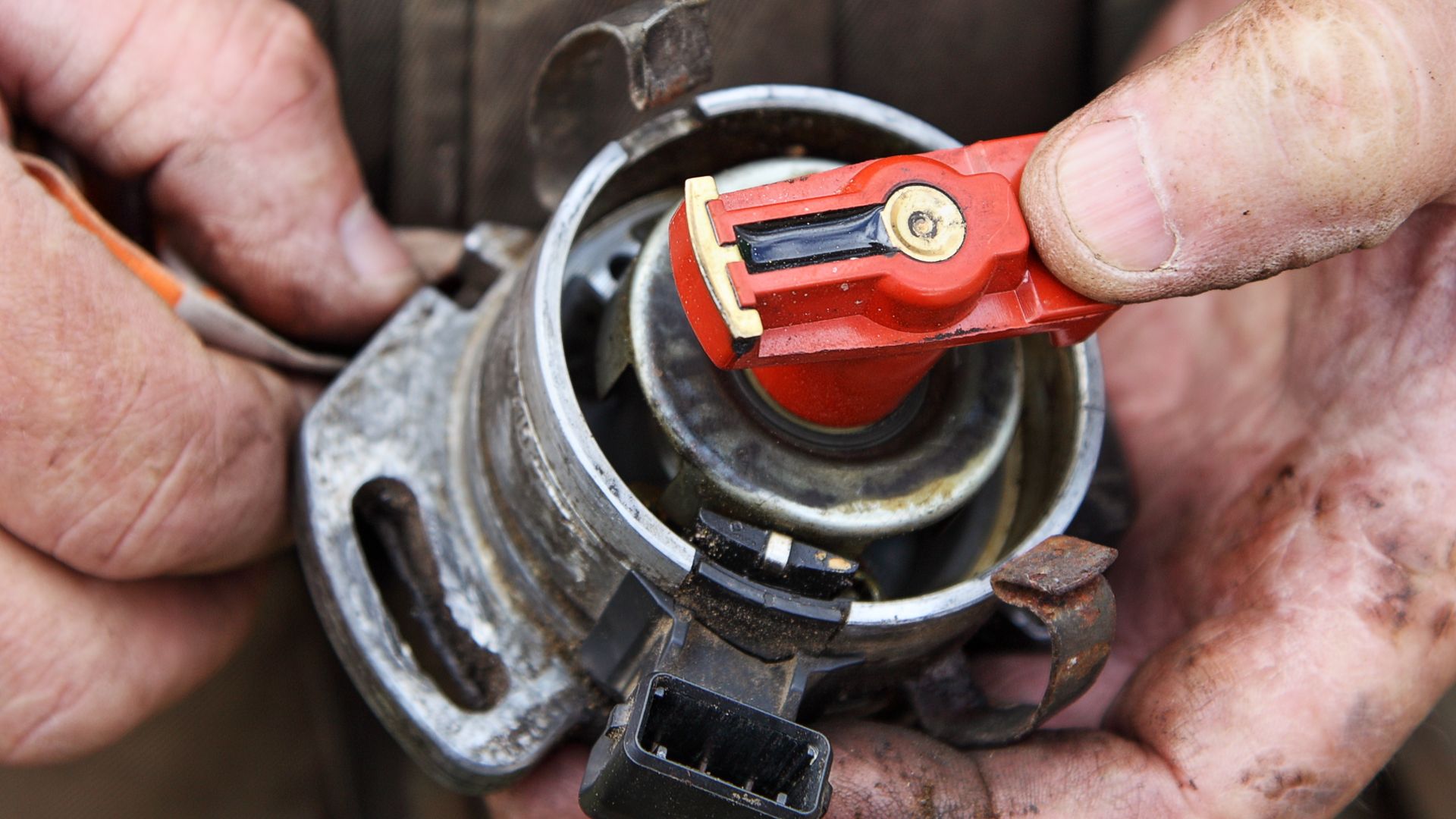
The distributor, a once ubiquitous component in internal combustion engines, played a crucial role in delivering precisely timed high-voltage sparks to the spark plugs. While increasingly replaced by distributorless ignition systems (DIS) and coil-on-plug (COP) technologies, distributors still exist in older vehicles, and understanding their functionality and failure modes is essential for automotive professionals.
Identifying Distributor Malfunctions: A Comprehensive Guide
Diagnosing a faulty distributor requires a systematic approach, combining visual inspection, electrical testing, and an understanding of engine performance characteristics. Several symptoms can indicate a problem:
- Engine misfires: This is a common symptom, often manifesting as rough idling, hesitation during acceleration, or a noticeable loss of power. Misfires can occur due to faulty distributor caps, rotors, or internal components failing to deliver a consistent spark.
- Hard starting or no-start condition: A completely failed distributor might not produce any spark at all, preventing the engine from starting. This could be due to a broken pickup coil, shorted wiring, or a seized distributor shaft.
- Erratic engine performance: Fluctuations in engine speed, stalling, or poor fuel economy can all be related to a distributor issue. This might stem from a worn distributor shaft causing timing inconsistencies or a faulty vacuum advance mechanism affecting timing adjustments under varying load conditions.
- Visible damage or wear: Cracks in the distributor cap, corrosion on the terminals, or a worn rotor button are all signs of potential problems. A visual inspection is always the first step in diagnosing any ignition issue.
Technical Aspects and Testing Procedures
Diagnosing a distributor issue often involves using specialized tools and understanding the underlying principles of its operation. Key testing procedures include:
- Visual Inspection: Check for cracks, carbon tracking (black lines indicating spark arcing), and moisture inside the distributor cap. Inspect the rotor for burns or damage to the electrode. Examine the distributor wiring for any signs of fraying, corrosion, or loose connections.
- Ohmmeter Testing: Measure the resistance of the pickup coil (also known as a magnetic pickup or stator). Specific resistance values vary depending on the manufacturer and model, so consult the vehicle's service manual for correct specifications. An open circuit or significantly deviated reading indicates a faulty pickup coil.
- Voltage Testing: Check the voltage supply to the distributor. A lack of voltage suggests a wiring issue or a problem with the ignition control module (ICM) in systems that use one.
- Timing Light Verification: Use a timing light to check the ignition timing. Incorrect timing can be a symptom of a worn distributor shaft, a faulty vacuum advance mechanism, or a loose distributor hold-down bolt.
- Distributor Cap and Rotor Testing: While difficult to definitively test without specialized equipment, look for excessive wear on the rotor tip and corresponding wear on the distributor cap terminals. High resistance across the rotor or between the cap terminals indicates a need for replacement.
Distributor vs. Distributorless Ignition Systems (DIS) and Coil-on-Plug (COP)
Distributors have largely been superseded by DIS and COP systems, which offer several advantages:
Distributor:
- Pros: Simpler design (in older systems), easier to diagnose in some cases (due to direct mechanical connection).
- Cons: Mechanical wear prone, less precise timing control, limited spark energy, requires regular maintenance (cap, rotor).
- Reliability: Lower relative reliability compared to DIS and COP, due to moving parts and exposure to harsh engine compartment conditions.
DIS:
- Pros: More precise timing control, higher spark energy, fewer moving parts.
- Cons: More complex electronics, diagnosis can be challenging, coil packs can fail.
- Reliability: Higher reliability compared to distributors due to the elimination of the mechanical distributor.
COP:
- Pros: Most precise timing control, highest spark energy, eliminates spark plug wires (reducing resistance and interference).
- Cons: Most complex electronics, individual coil failures can be difficult to pinpoint without proper diagnostic tools.
- Reliability: Generally high reliability, although individual coil failures are a common issue.
Maintenance Tips for Distributors
Even though distributors are becoming less common, proper maintenance can extend their lifespan:
- Regularly inspect the distributor cap and rotor: Replace them as needed, typically every 25,000 to 50,000 miles.
- Check the spark plug wires: Replace them if they are cracked, worn, or have high resistance.
- Lubricate the distributor shaft: Follow the manufacturer's recommendations for lubrication.
- Keep the distributor clean and dry: Moisture and dirt can damage the distributor's internal components.
- Verify ignition timing: Regular checks ensure optimal engine performance and fuel efficiency.
Future Trends
Distributors are unlikely to make a comeback in modern vehicles. The automotive industry is moving towards even more sophisticated ignition systems, such as capacitive discharge ignition (CDI) and laser ignition, which offer further improvements in efficiency, emissions, and performance. These systems often rely on advanced engine control units (ECUs) and sophisticated sensors for precise control and feedback. Furthermore, with the rise of electric vehicles (EVs), internal combustion engines, and consequently ignition systems, are becoming less prevalent. However, the knowledge of distributor systems remains relevant for servicing older vehicles and understanding the evolution of ignition technology.
In conclusion, diagnosing a faulty distributor requires a combination of visual inspection, electrical testing, and an understanding of its operational principles. While distributors are becoming less common, understanding their function is vital for automotive professionals working on older vehicles and tracing the lineage of modern ignition technologies. As the automotive industry continues to evolve, staying abreast of new technologies and diagnostic techniques is crucial for success.