
How Do You Know If The Fuel Filter Is Bad
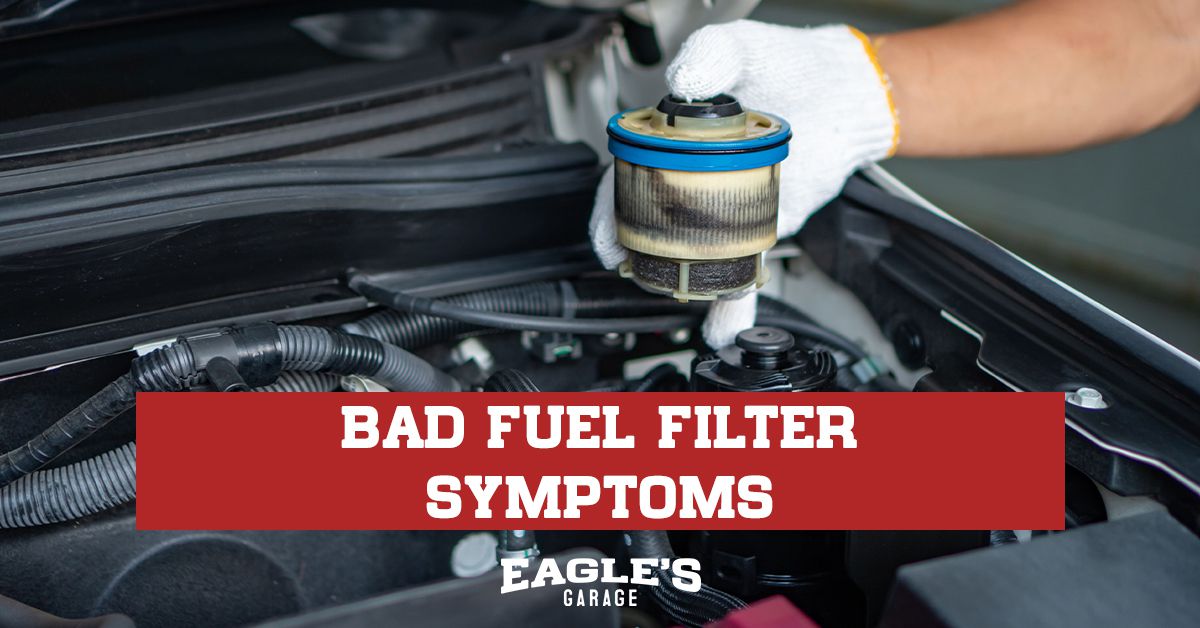
The fuel filter, a seemingly simple component, plays a critical role in maintaining optimal engine performance and longevity. Automotive professionals understand that a failing fuel filter can manifest in a variety of symptoms, ranging from subtle drivability issues to complete engine failure. Identifying a bad fuel filter requires a systematic approach, combining diagnostic techniques with a solid understanding of fuel system mechanics.
Symptoms and Initial Diagnosis
Several telltale signs can indicate a failing fuel filter. These include:
- Reduced Engine Power: A restricted fuel flow starves the engine, leading to noticeable power loss, especially during acceleration or when climbing hills.
- Rough Idling: Inconsistent fuel delivery can cause the engine to idle erratically or stall.
- Hesitation: A delay or stumble during acceleration is another common symptom. This occurs when the engine demands more fuel than the restricted filter can provide.
- Difficulty Starting: In severe cases, a clogged filter can prevent sufficient fuel from reaching the engine, making it difficult or impossible to start.
- Fuel Economy Drop: Reduced engine efficiency due to fuel starvation can lead to a decrease in fuel mileage.
- Check Engine Light: While not always specific to the fuel filter, a check engine light (CEL) illuminated with codes related to lean fuel conditions (e.g., P0171, P0174) or fuel pressure issues (e.g., P0087, P0089) should raise suspicion.
Initial diagnosis often involves a visual inspection. Check the filter for signs of physical damage, leaks, or excessive dirt accumulation around the connections. However, the most critical assessment involves measuring fuel pressure.
Fuel Pressure Testing: The Key Diagnostic
Fuel pressure testing is the definitive method for determining if a fuel filter is restricted. This requires a fuel pressure gauge, which is connected to a test port on the fuel rail (or, in some older systems, directly to the fuel line). The specific procedure varies depending on the vehicle make and model, so consulting the service manual is crucial.
Typically, the following steps are involved:
- Locate the fuel pressure test port.
- Connect the fuel pressure gauge.
- Start the engine and allow it to idle.
- Note the fuel pressure reading. Compare this reading to the manufacturer's specifications. A pressure significantly below the specified range indicates a potential fuel filter restriction.
- Perform a "snap-throttle" test: quickly accelerate the engine and observe the fuel pressure gauge. A healthy fuel system should maintain consistent pressure. A significant drop in pressure during acceleration strongly suggests a restricted filter.
- Some systems require disconnecting the vacuum line from the fuel pressure regulator during testing to isolate the filter's impact.
Engineering Choices and Filter Design: Modern fuel filters are designed to capture particulate matter down to a specific micron rating. Most gasoline fuel filters use pleated paper or synthetic filter media. Diesel fuel filters often incorporate a water separator, as water contamination is a significant concern in diesel fuel systems. The filter's capacity (the amount of contaminants it can hold before becoming restricted) is also a crucial design parameter.
Alternatives: Inline vs. In-Tank Filters
Fuel filter designs vary, primarily falling into two categories:
- Inline Filters: These are located in the fuel line, typically between the fuel pump and the fuel rail. They are generally easier to access and replace.
- In-Tank Filters: These filters are located inside the fuel tank, often integrated with the fuel pump module. Replacement typically requires dropping the fuel tank, making it a more labor-intensive job.
Pros and Cons:
| Filter Type | Pros | Cons |
|---|---|---|
| Inline | Easier access for replacement; Potentially lower labor costs. | More susceptible to external damage; Can be less effective at filtering larger particles before they reach the pump. |
| In-Tank | Better protected from the elements; Can provide better initial filtration, protecting the fuel pump. | More difficult and expensive to replace; Requires dropping the fuel tank, increasing labor time. |
Reliability Aspects and Maintenance Tips
Fuel filter reliability depends on several factors, including fuel quality, driving conditions, and the filter's construction. Regularly replacing the fuel filter according to the manufacturer's recommended maintenance schedule is crucial. In environments with poor fuel quality (e.g., developing countries), more frequent filter replacement may be necessary. Avoid running the fuel tank consistently low, as this can draw sediment and contaminants from the bottom of the tank into the fuel filter.
Future Trends
The automotive industry is shifting towards more sophisticated fuel systems. Direct injection (DI) systems, for example, require even cleaner fuel due to the high pressures involved. Expect to see more advanced fuel filtration technologies, potentially incorporating multiple filtration stages or electronic monitoring systems that alert the driver when the filter is becoming restricted. Additionally, the increasing prevalence of electric vehicles (EVs) will eventually lead to a decline in the demand for fuel filters, although hybrid vehicles will continue to rely on them.
Conclusion
Accurately diagnosing a bad fuel filter is essential for maintaining optimal engine performance and preventing more significant fuel system damage. By understanding the symptoms, employing proper diagnostic techniques (especially fuel pressure testing), and adhering to recommended maintenance schedules, automotive professionals can ensure the reliable operation of their clients' vehicles. As the automotive industry evolves, staying informed about advancements in fuel system technology and filtration methods is vital for providing top-notch service.