
How Do You Know If Wheel Bearings Are Bad
How Do You Know If Wheel Bearings Are Bad? A Comprehensive Guide
Wheel bearings are a crucial component of your vehicle's wheel assembly, allowing your wheels to rotate smoothly and efficiently. When these bearings start to fail, it can lead to a variety of problems, ranging from annoying noises to potentially dangerous situations. Recognizing the signs of bad wheel bearings early on can save you money on costly repairs and, more importantly, keep you safe on the road.
This comprehensive guide will walk you through the common symptoms of failing wheel bearings, helping you identify potential issues and take appropriate action. We'll cover the noises to listen for, the driving sensations to be aware of, and the physical inspections you can perform to assess the condition of your wheel bearings.
Understanding Wheel Bearings and Their Function
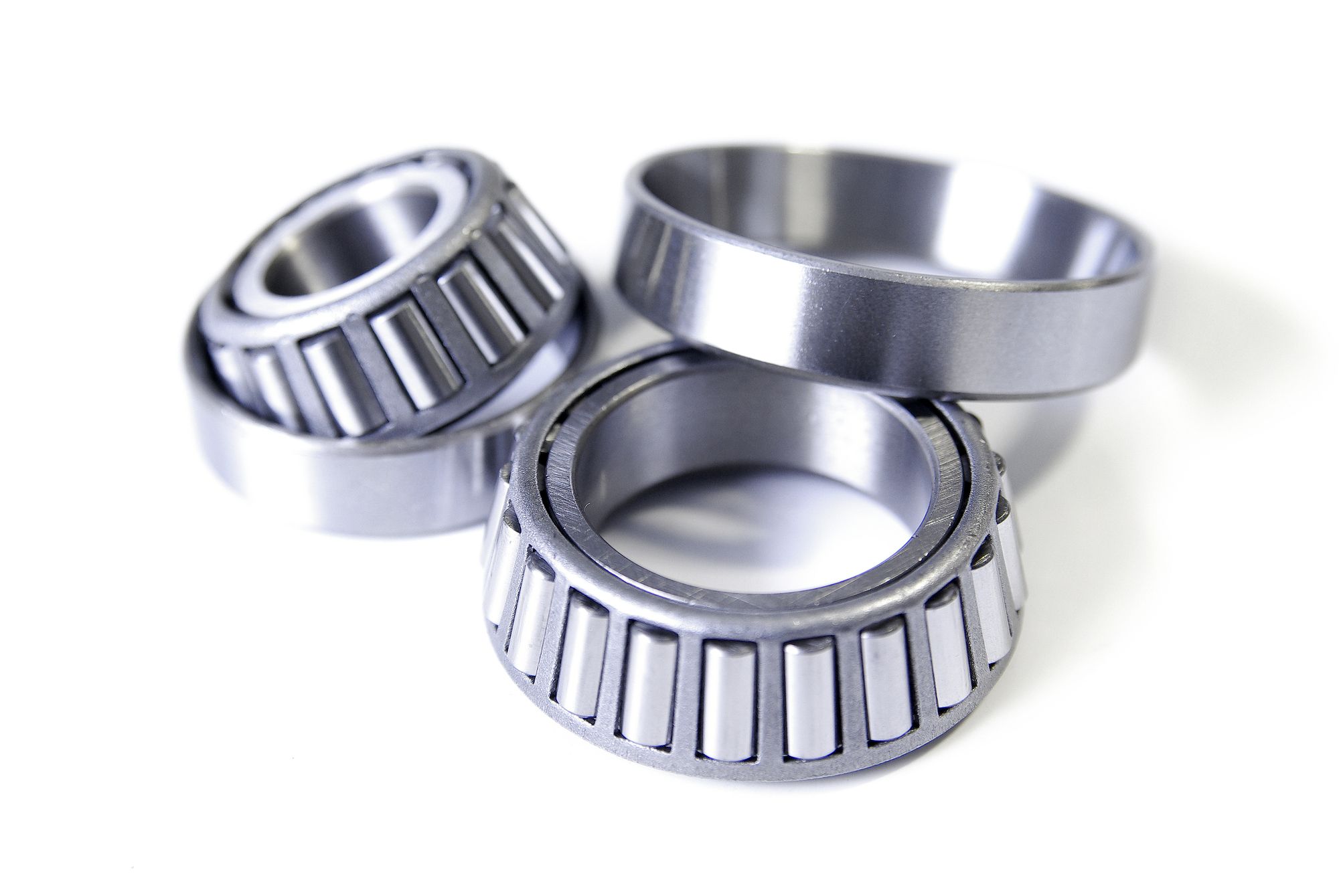
Before diving into the symptoms, let's quickly review what wheel bearings are and what they do. Wheel bearings are sets of steel balls or tapered rollers held together by a metal ring called a race. They're located inside the wheel hub, connecting the wheel to the axle. Their primary function is to reduce friction, allowing the wheel to rotate freely and smoothly. They also support the weight of the vehicle.
Wheel bearings are designed to last for many years, but they are subject to wear and tear. Over time, the grease that lubricates the bearings can dry out or become contaminated, leading to increased friction, heat, and eventually, failure.
Common Symptoms of Bad Wheel Bearings
Several telltale signs can indicate that your wheel bearings are failing. Being attentive to these symptoms can help you catch the problem early and prevent further damage.
1. Noises: The Unmistakable Sound of Trouble
One of the most common and noticeable symptoms of bad wheel bearings is unusual noises coming from the wheels. These noises can vary depending on the severity of the wear and the type of bearing failure. Here's what to listen for:
- Humming or Rumbling: This is often the first sign of a failing wheel bearing. The noise may be faint at first but will gradually become louder and more noticeable as the bearing deteriorates. It's often described as a low-frequency hum or rumble that seems to be coming from the wheel area.
- Grinding: A grinding noise indicates more significant damage to the bearing. This suggests that the bearing's rollers or balls are damaged or missing, causing metal-on-metal contact.
- Clicking or Popping: These sounds can be more intermittent and may be heard when turning or accelerating. They can indicate that the bearing race is cracked or damaged.
- Whining: A whining noise, particularly at higher speeds, can also be a sign of a worn wheel bearing.
The noise often gets louder as your vehicle speed increases, and it may change or disappear when you turn the steering wheel in one direction or the other. This is because turning shifts the weight of the vehicle, putting more stress on one wheel bearing and less on the other. Identifying which wheel is making the noise can help pinpoint the problem area.
2. Vibration: Feeling the Problem
Besides noises, bad wheel bearings can also cause vibrations that you can feel through the steering wheel, floorboard, or seat. These vibrations can range from subtle to quite noticeable, depending on the severity of the bearing damage.
- Steering Wheel Vibration: A vibration in the steering wheel, particularly at higher speeds, is a common symptom. This vibration may become more pronounced when turning.
- Floorboard Vibration: You might feel a vibration in the floorboard, especially on the side of the vehicle where the bad wheel bearing is located.
- Seat Vibration: In some cases, you may even feel a vibration in the seat, especially if the rear wheel bearings are failing.
Pay close attention to when the vibrations occur. Do they only happen at certain speeds? Do they get worse when turning? These observations can help you diagnose the problem more accurately.
3. Looseness and Play: Physical Signs of Wear
Another way to check for bad wheel bearings is to inspect the wheel for looseness or play. This requires safely lifting the vehicle and checking for movement in the wheel assembly.
- Safely lift the vehicle: Use a jack and jack stands to safely lift the vehicle so that the wheel in question is off the ground. Always use jack stands to support the vehicle – never rely solely on the jack.
- Grasp the wheel: Grab the wheel at the 12 o'clock and 6 o'clock positions.
- Rock the wheel: Try to rock the wheel back and forth. If you feel any play or looseness, it could indicate a bad wheel bearing.
- Repeat the process: Repeat the process, grasping the wheel at the 3 o'clock and 9 o'clock positions.
A small amount of play is normal, but excessive looseness or a clunking sound when rocking the wheel is a clear indication of a problem.
4. Uneven Tire Wear: A Consequence of Bearing Failure
Bad wheel bearings can cause uneven tire wear. This is because the failing bearing allows the wheel to wobble or vibrate, putting uneven stress on the tire. Check your tires for signs of unusual wear patterns, such as:
- Cupping: This refers to scalloped or bowl-shaped wear patterns on the tire tread.
- Feathering: This occurs when the tread blocks on one side of the tire are worn at an angle, creating a feathered edge.
- Excessive wear on one side of the tire: This can indicate a misalignment problem, but it can also be caused by a bad wheel bearing.
If you notice uneven tire wear, it's essential to have your wheel bearings inspected. Ignoring this problem can lead to further tire damage and compromise your vehicle's handling and safety.
5. ABS Issues: A Potential Complication
In some cases, a bad wheel bearing can interfere with the operation of the Anti-lock Braking System (ABS). This is because the ABS sensors are located near the wheel bearings and rely on them for accurate speed readings. A failing bearing can disrupt these readings, causing the ABS light to come on and potentially affecting the braking performance of your vehicle.
If your ABS light comes on and you suspect a wheel bearing problem, it's crucial to have your vehicle inspected by a qualified mechanic.
What to Do If You Suspect Bad Wheel Bearings
If you experience any of the symptoms described above, it's essential to take action promptly. Ignoring the problem can lead to further damage, increased repair costs, and potentially dangerous driving conditions.
- Get a Professional Inspection: The best course of action is to have your vehicle inspected by a qualified mechanic. They can accurately diagnose the problem and recommend the appropriate repairs.
- Don't Delay Repairs: Driving with bad wheel bearings can be dangerous. The wheel could seize up, causing a loss of control. Moreover, leaving the bearing for longer will damage other connected components in the wheel hub assembly.
- Replace in Pairs: Some mechanics recommend replacing wheel bearings in pairs, even if only one is bad. This is because the other bearing may be nearing the end of its lifespan, and replacing both at the same time can save you time and money in the long run.
Regular vehicle maintenance, including wheel bearing inspections, is crucial for ensuring your safety and extending the life of your vehicle. By being aware of the symptoms of bad wheel bearings and taking prompt action, you can avoid costly repairs and maintain a safe and reliable vehicle.