
How Do You Know If You Have A Bad Starter
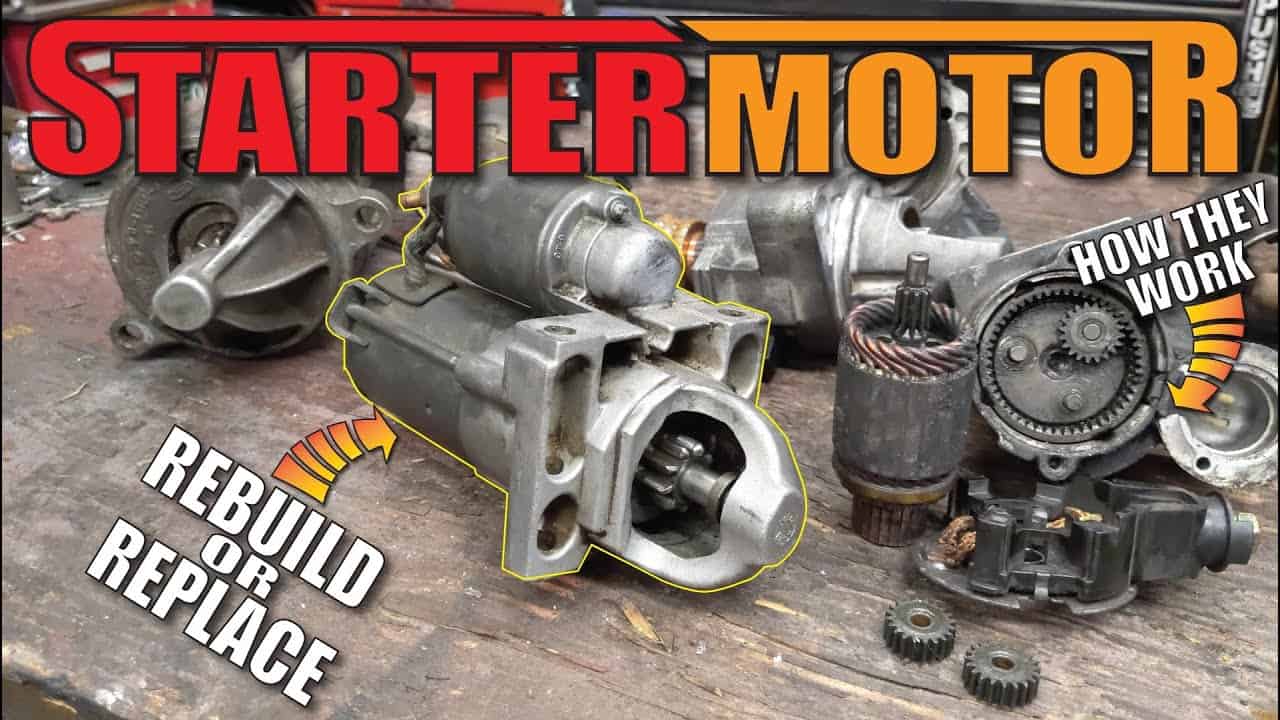
Hey there, car owners! Experiencing trouble getting your vehicle started? It's a frustrating situation, and one common culprit could be a faulty starter. Think of your starter as the muscle that gets your engine going. When it's weak or failing, you'll definitely notice. Let's dive into how to diagnose a bad starter so you can get back on the road.
Understanding Your Starter's Role
Before we get into the symptoms, let's quickly recap what the starter does. When you turn the key or press the start button, you're signaling the starter motor to crank the engine. The starter engages with the flywheel (or flexplate in automatic transmissions), spinning the engine until it starts its combustion cycle. A bad starter can interrupt this process.
Common Symptoms of a Failing Starter
So, how can you tell if your starter is on its way out? Here are some telltale signs:
1. Clicking Sounds When Turning the Key
This is perhaps the most common symptom. When you turn the key, you might hear a rapid clicking noise, but the engine doesn't crank. This usually indicates the starter solenoid isn't getting enough power to fully engage. The solenoid is a small electric switch attached to the starter. It's responsible for sending battery power to the starter motor. The clicking is the solenoid trying to engage but failing due to low voltage, a bad solenoid, or a seized starter motor.
2. Grinding Noises
Instead of a clicking sound, you might hear a grinding noise. This happens when the starter gear isn't properly engaging with the flywheel. The teeth on either the starter gear or the flywheel might be damaged, causing them to grind against each other instead of meshing correctly. This can be a sign of wear and tear, or it could mean the starter motor isn't extending the gear far enough.
3. The Engine Starts Intermittently
This is a particularly annoying symptom because it can be hard to pinpoint. Sometimes the car starts just fine, and other times it refuses to crank. This inconsistency often means the starter is failing intermittently. Internal components may be worn or damaged, causing them to work sporadically. Don't ignore this symptom! It will likely worsen over time, eventually leading to a complete failure.
4. The Starter Motor Remains Engaged
In rare cases, the starter motor might continue to run even after the engine has started. This is a dangerous situation because it can quickly damage the starter, the flywheel, and other components. If you hear a whirring sound *after* your engine starts, immediately turn off the car and have it checked. This indicates a problem with the starter solenoid not disengaging properly.
5. No Sound At All
Sometimes, you turn the key, and nothing happens. No clicks, no grinds, just silence. While this could indicate a dead battery, a blown fuse, or a problem with the ignition switch, it could also mean the starter motor has completely failed. This requires further investigation to rule out other possibilities.
6. Smoke or Burning Smell
This is a serious sign that something is very wrong. If you see smoke coming from the starter area or smell a burning odor, immediately turn off the car. This indicates the starter motor is overheating and possibly short-circuiting. Do not attempt to start the car again until the problem is resolved. This can cause a fire.
Diagnosing a Bad Starter: A Step-by-Step Approach
Okay, so you suspect your starter is failing. Here's a systematic way to diagnose the issue:
- Check the Battery: A weak battery is the most common cause of starter problems. Use a voltmeter to check the battery voltage. It should read at least 12.6 volts when the engine is off. If it's lower, charge the battery or replace it if it's old.
- Inspect the Battery Cables: Make sure the battery cables are clean and tightly connected to the battery terminals. Corrosion can prevent proper electrical contact. Clean the terminals with a wire brush and apply some dielectric grease.
- Check the Starter Relay and Fuse: Locate the starter relay and fuse in your car's fuse box (refer to your owner's manual). Test the fuse with a multimeter to see if it's blown. If it is, replace it with a fuse of the same amperage. You can also try swapping the starter relay with an identical relay to see if that solves the problem.
- Listen Carefully: Have someone turn the key while you listen closely to the starter. Can you hear the solenoid clicking? If so, that means the solenoid is receiving power. If not, the problem could be the ignition switch, wiring, or the solenoid itself.
- The "Hammer Tap" Method (Use with Caution): This is an old trick that sometimes works, but it's not a guaranteed fix. If the starter is clicking but not cranking, try gently tapping the starter motor with a hammer while someone turns the key. This *might* dislodge a stuck component inside the starter. Do *not* hit the starter hard! This is a temporary solution at best, and the starter will still need to be replaced. Wear safety glasses when doing this!
- Consider a Professional Diagnosis: If you've tried the above steps and are still unsure, it's best to take your car to a qualified mechanic. They have the tools and expertise to accurately diagnose the problem and recommend the appropriate solution.
Tools You Might Need
For basic troubleshooting, you'll likely need the following tools:
- Voltmeter/Multimeter
- Wrench set
- Socket set
- Wire brush
- Dielectric grease
- Hammer (for the "tap" method – use with caution!)
- Safety glasses
Repair Costs
The cost of replacing a starter can vary depending on the make and model of your car, the cost of the starter itself, and the labor rate at the repair shop. Generally, you can expect to pay anywhere from $300 to $800 for a starter replacement. The starter motor itself can range from $100 to $400, and labor can add another $200 to $400.
Important Note: Some cars have starters that are difficult to access, which can significantly increase labor costs. It's always best to get a quote from a reputable mechanic before proceeding with the repair.
Prevention is Key
While starters will eventually wear out, you can take steps to prolong their lifespan:
- Maintain a healthy battery: A strong battery reduces the strain on the starter.
- Avoid excessive cranking: Don't hold the key in the "start" position for too long.
- Address engine problems promptly: Issues like misfires or poor fuel delivery can make the starter work harder.
By understanding the symptoms of a bad starter and taking proactive steps, you can keep your car running smoothly and avoid unexpected breakdowns. If you're ever unsure, don't hesitate to consult with a professional mechanic. Good luck!