
How Do You Know If You Need Wheel Bearings
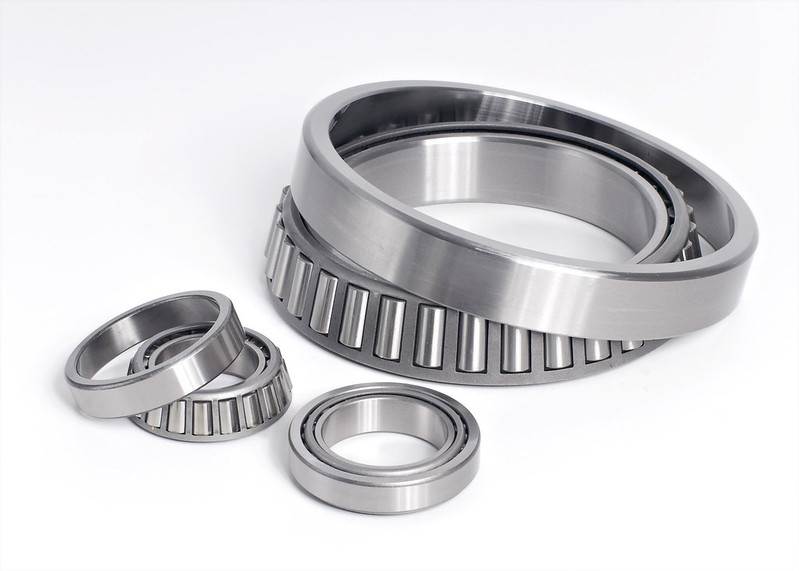
Wheel bearings are a critical component in your vehicle's suspension and drivetrain. They allow your wheels to rotate smoothly and efficiently. While they're designed for long service life, they eventually wear out. Recognizing the signs of impending wheel bearing failure can save you from more extensive, and potentially dangerous, problems down the road. This article will guide you through the symptoms, diagnosis, and implications of worn wheel bearings, empowering you to make informed decisions about your vehicle's maintenance.
Understanding Wheel Bearings
Before we delve into the symptoms, let's briefly review what wheel bearings are and what they do. At their core, a wheel bearing is a set of precisely machined steel balls or rollers held together by a metal race, which itself is fitted into your vehicle's hub or knuckle. This assembly reduces friction and allows the wheel to rotate freely. There are typically two main types of wheel bearings:
- Tapered Roller Bearings: These are commonly found in older vehicles and the front wheels of some trucks and SUVs. They consist of cone-shaped rollers and races that can handle both radial (sideways) and axial (thrust) loads. They require periodic greasing and adjustment.
- Sealed Ball Bearings (or Hub Assemblies): More modern vehicles often use sealed ball bearings or hub assemblies. These are pre-greased and sealed units designed for a longer lifespan. They typically require no maintenance or adjustment and are often replaced as a complete unit.
Regardless of the type, their function remains the same: to provide smooth, low-friction rotation for your wheels.
Symptoms of Worn Wheel Bearings
Identifying a failing wheel bearing early can prevent more severe damage, such as a seized wheel. Here are some common symptoms to watch for:
1. Noisy Wheels: The Tell-Tale Sign
The most obvious symptom is often noise. This can manifest in several ways:
- Humming or Roaring: A consistent humming or roaring sound that increases with vehicle speed is a classic sign. This sound often becomes more pronounced when cornering, as the load on the bearing changes. Pay close attention to whether the noise increases or decreases when you turn the steering wheel left or right. This can help you pinpoint which side the faulty bearing is on.
- Grinding: A grinding noise is a more advanced symptom, indicating significant wear or damage to the bearing. It suggests that the internal components are rubbing against each other due to lack of lubrication or broken rollers/balls. This is often accompanied by increased play (movement) in the wheel.
- Clicking or Popping: A clicking or popping sound, often heard during low-speed turns, can also indicate a failing wheel bearing, particularly in vehicles with constant velocity (CV) joints. It's crucial to differentiate this from CV joint noise itself, which usually intensifies under load and angle.
It’s important to differentiate between wheel bearing noise and tire noise. Tire noise is generally consistent regardless of direction, while wheel bearing noise often changes with steering input.
2. Play in the Wheel
Excessive play in the wheel is another clear indicator of a worn wheel bearing. To check for play:
- Safely jack up the vehicle, ensuring it's securely supported with jack stands.
- Grasp the tire at the 12 o'clock and 6 o'clock positions.
- Try to rock the wheel back and forth.
- Repeat the process, grasping the tire at the 3 o'clock and 9 o'clock positions.
If you feel any noticeable play (movement) in either direction, it suggests a worn wheel bearing. A small amount of play might be normal in some older vehicles with adjustable tapered roller bearings, but any significant movement warrants further inspection. Remember, safety is paramount – if you're not comfortable with this procedure, take your vehicle to a qualified mechanic.
3. Vibration
A worn wheel bearing can cause vibration that you feel through the steering wheel or the floor of the vehicle. This vibration is often speed-dependent, becoming more noticeable at higher speeds. The vibration can range from subtle to quite severe, depending on the extent of the bearing damage. Consider a road force balance of your wheels and tires to eliminate that as a source of vibration.
4. Uneven Tire Wear
Although less direct, uneven tire wear can sometimes indicate a wheel bearing issue. If the bearing is excessively worn, it can cause the wheel to wobble slightly, leading to uneven wear patterns on the tire. Pay attention to the inside and outside edges of your tires for unusual wear. Note that other issues, such as alignment problems or worn suspension components, can also cause uneven tire wear, so it's essential to consider all potential causes.
5. ABS and Traction Control Issues
Modern vehicles often integrate the ABS (Anti-lock Braking System) and traction control systems with the wheel bearings or hub assemblies. The wheel speed sensor, a critical component of these systems, is often located within the wheel bearing assembly. A failing wheel bearing can disrupt the signal from the wheel speed sensor, leading to ABS or traction control warning lights illuminating on your dashboard. You might also experience erratic ABS activation or a loss of traction control functionality.
6. Brake Issues
In some cases, a worn wheel bearing can affect the brake system. Excessive play in the bearing can cause the brake rotor to wobble, leading to uneven brake pad wear, pulsating brakes, or even brake caliper damage. If you're experiencing unusual brake issues, it's wise to inspect the wheel bearings as part of your diagnostic process.
Diagnosis and Verification
Once you suspect a worn wheel bearing, further diagnosis is necessary to confirm the issue. Here are some techniques you can use:
1. The Spin Test
With the vehicle safely supported on jack stands, spin each wheel by hand. A healthy wheel bearing will rotate smoothly and quietly. A worn bearing will often produce a grinding, rumbling, or clicking noise as it spins. You can also try feeling the strut or knuckle as you spin the wheel; a bad bearing will often transmit vibrations through the suspension components.
2. Physical Inspection
Visually inspect the wheel bearing and surrounding components. Look for signs of grease leakage, corrosion, or physical damage. Check the wheel bearing's seal for tears or cracks. If possible, try to manually move the wheel bearing. Excessive play or roughness indicates a problem.
3. Professional Diagnosis
If you're unsure about your diagnosis, or if the symptoms are complex, it's best to seek a professional mechanic's opinion. They have specialized tools and expertise to accurately diagnose wheel bearing issues and perform the necessary repairs.
Consequences of Ignoring Worn Wheel Bearings
Ignoring worn wheel bearings can have serious consequences. Over time, the bearing will continue to deteriorate, potentially leading to:
- Increased Noise and Vibration: The noise and vibration will become progressively worse, making driving uncomfortable and potentially distracting.
- Reduced Handling: Worn wheel bearings can affect the vehicle's handling and stability, making it more difficult to control, especially in emergency situations.
- Brake Damage: As mentioned earlier, a worn wheel bearing can damage the brake system, leading to reduced braking performance and increased repair costs.
- Wheel Seizure: In extreme cases, a severely worn wheel bearing can seize completely, causing the wheel to lock up. This can result in loss of control and a serious accident.
- Hub Damage: A failed bearing can damage the hub assembly requiring it to be replaced as well.
Replacing wheel bearings as soon as you suspect a problem is a smart investment in your vehicle's safety and reliability. Don't wait until the problem becomes severe.
Conclusion
Recognizing the symptoms of worn wheel bearings and performing timely diagnosis and repairs is crucial for maintaining your vehicle's safety and performance. By understanding the function of wheel bearings, recognizing the warning signs, and employing the diagnostic techniques described above, you can confidently address this common automotive issue and keep your vehicle running smoothly. Remember, when in doubt, consult a qualified mechanic to ensure accurate diagnosis and proper repair.