
How Do You Know If Your Water Pump Is Bad
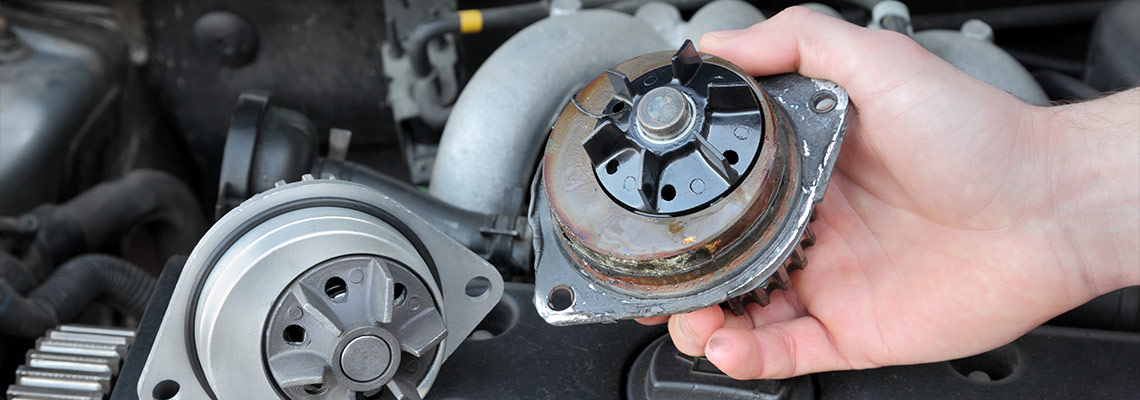
The water pump is a critical component of your vehicle's cooling system, responsible for circulating coolant throughout the engine block, radiator, and heater core. A failing water pump can lead to overheating, potentially causing severe engine damage. Recognizing the signs of a bad water pump early can save you significant repair costs and keep you safely on the road. This article will explore the telltale signs of a failing water pump and what to do about it.
Overheating Engine: The Most Obvious Sign
Perhaps the most dramatic symptom of a failing water pump is an overheating engine. If your temperature gauge consistently reads higher than normal, or if you notice steam emanating from under the hood, a failing water pump should be high on your list of suspects. Without proper coolant circulation, the engine cannot dissipate heat effectively, leading to a rapid rise in temperature. Remember that overheating can also stem from other issues, like a faulty thermostat or a clogged radiator, so further diagnosis is necessary.
Coolant Leaks: Look for the Evidence
Water pumps are sealed units, but over time, the seals can degrade and begin to leak. Look for coolant leaks near the front of the engine, often near the water pump itself. Coolant typically has a distinct sweet smell and can be green, pink, blue, or yellow, depending on the type used. A small puddle under your car after it's been parked is a strong indicator of a leak. Keep in mind that other components, such as hoses and the radiator, can also leak, so pinpointing the source is essential. Inspect the weep hole on the water pump; this is a deliberate opening designed to leak slightly if the internal seal fails, acting as an early warning.
Noisy Water Pump: Listen Closely
As a water pump's bearings wear out, it can start to make unusual noises. Listen for whining, grinding, or squealing sounds coming from the front of the engine, especially when the engine is cold. These noises often become more pronounced as the engine warms up. The noise is typically caused by the impeller shaft wobbling due to worn bearings. Using a mechanic's stethoscope or even a long screwdriver held against the water pump (carefully!) can help you isolate the source of the noise.
Wobbling Pulley: Check for Play
The water pump is driven by a belt connected to a pulley. A failing water pump can cause the pulley to wobble or have excessive play. With the engine off and cool, try to move the water pump pulley back and forth. If you feel significant movement or hear a clunking sound, the bearings are likely worn, and the water pump needs replacement. Excessive play in the pulley can also damage the drive belt, leading to premature wear or even belt failure.
Contaminated Coolant: A Sign of Internal Corrosion
Regularly inspecting your coolant can provide clues about the health of your water pump. Rust or debris in the coolant can indicate internal corrosion within the engine or water pump. This corrosion can damage the impeller, reducing its ability to circulate coolant effectively. If you notice rust or sludge in your coolant, it's a good idea to flush the cooling system and inspect the water pump for signs of damage.
Decreased Heater Performance: Feeling the Cold?
In some cases, a failing water pump might not cause immediate overheating, but it can still affect your car's heating system. If you notice that your heater isn't blowing hot air as effectively as it used to, especially at idle, a partially failing water pump could be the culprit. The reduced coolant flow prevents the heater core from receiving enough hot coolant, resulting in poor heater performance.
What to Do If You Suspect a Bad Water Pump
If you suspect that your water pump is failing, it's crucial to address the issue promptly. Continuing to drive with a faulty water pump can lead to severe engine damage and costly repairs. The best course of action is to take your vehicle to a qualified mechanic for diagnosis and repair. Replacing a water pump is a relatively straightforward procedure, but it requires specialized tools and knowledge. While some experienced DIYers may tackle this job, it's generally best left to the professionals. Replacing the water pump often involves draining the coolant, removing the drive belt, and disconnecting hoses. After replacing the pump, it's crucial to refill the cooling system with the correct type and amount of coolant and bleed any air from the system. Failing to do so can lead to overheating and further damage.
In conclusion, recognizing the symptoms of a bad water pump early can help prevent major engine damage. By paying attention to your engine's temperature, listening for unusual noises, and inspecting for leaks, you can ensure that your cooling system is functioning properly and keep your vehicle running smoothly for years to come.