
How Do You Know When A Head Gasket Is Blown
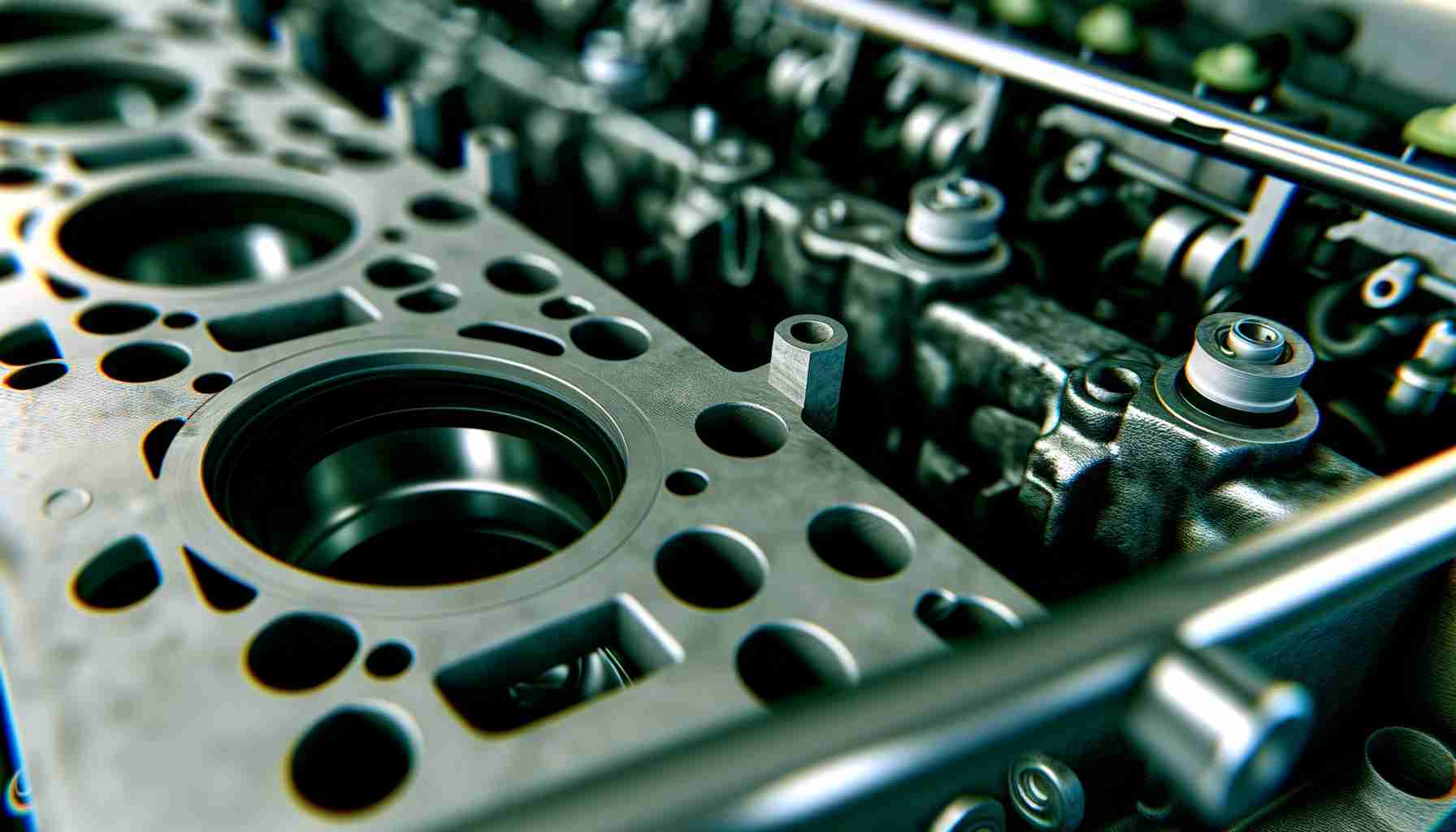
A blown head gasket is one of those automotive nightmares that can range from mildly annoying to catastrophically expensive. It's also a diagnosis that's often thrown around casually, but pinpointing a true head gasket failure requires careful observation and deduction. This article will equip you with the knowledge to confidently identify the signs of a blown head gasket, understand the underlying mechanisms, and differentiate it from other common engine problems.
Understanding the Head Gasket's Role
Before diving into the symptoms, let's recap what the head gasket actually does. Situated between the engine block and the cylinder head, the head gasket is responsible for creating a seal that accomplishes several critical tasks:
- Sealing the combustion chambers to prevent compression loss.
- Preventing coolant from leaking into the cylinders or oil passages.
- Preventing oil from leaking into the cylinders or coolant passages.
It's a tough job, especially considering the extreme temperatures and pressures involved. Modern head gaskets are typically multi-layered steel (MLS) or composite materials designed to withstand these conditions, but over time, due to factors like overheating, detonation (also known as engine knock), or age-related degradation, they can fail.
Key Symptoms of a Blown Head Gasket
Diagnosing a blown head gasket isn't always straightforward, as some symptoms can overlap with other engine issues. However, paying close attention to the following signs will help you narrow down the possibilities:
1. Overheating
This is often the first and most noticeable symptom. A compromised head gasket can allow combustion gases to leak into the coolant system, creating air pockets that impede coolant circulation and reduce its ability to dissipate heat. You might observe your temperature gauge climbing into the red zone, or even see coolant bubbling in the overflow tank.
However, remember that overheating can be caused by other problems like a faulty thermostat, a clogged radiator, or a failing water pump. A simple test would be to feel the radiator. If it’s cold, but the engine is overheating, it suggests lack of coolant flow to the radiator, indicating either a blockage or lack of coolant from the engine.
2. Coolant Loss (with no visible leaks)
If you're constantly topping off your coolant reservoir but can't find any external leaks, a blown head gasket is a prime suspect. The coolant is likely being burned in the cylinders, resulting in white exhaust smoke (more on that below) or leaking into the oil pan, diluting the engine oil.
3. White Exhaust Smoke
This is a strong indicator of a blown head gasket, especially if the smoke persists even after the engine has warmed up. The white smoke is actually steam, produced when coolant enters the combustion chamber and is vaporized. It’s most visible when cold starting in temperatures above freezing. A slight puff of white smoke on a cold start that dissipates quickly is normal condensation. But persistent white smoke is a red flag.
4. Milky or Foamy Oil
If coolant is leaking into the oil pan, it will contaminate the oil, giving it a milky or foamy appearance. This is easily checked by inspecting the dipstick. The oil may also appear lighter in color than usual. Coolant contamination drastically reduces the oil's lubricating properties, leading to accelerated engine wear. This is one of the most damaging symptoms and requires immediate attention.
5. External Coolant Leaks at the Head Gasket Seam
Sometimes, a head gasket can fail in a way that allows coolant to leak externally. You might observe coolant dripping down the side of the engine block where the head meets the block. This is more common in older engines with composite head gaskets that have deteriorated over time.
6. Bubbling in the Radiator or Overflow Tank
With the engine running (and *carefully* remove the radiator cap *only* if the engine is *cold*), look for bubbles in the coolant in the radiator neck or overflow tank. These bubbles are combustion gases leaking into the coolant system. A dedicated tool called a block tester (or combustion leak tester) can confirm this. This tester uses a special fluid that changes color in the presence of combustion gases (usually carbon dioxide).
7. Loss of Compression
A blown head gasket can compromise the seal between the cylinder and the cylinder head, leading to a loss of compression. This can result in a rough-running engine, misfires, and reduced power. A compression test is a reliable way to check for compression loss. The results will show low compression in one or more cylinders, or abnormally low compression in cylinders adjacent to each other. Perform a leak-down test to identify the source of the compression loss by introducing compressed air into the cylinder and listening for air escaping from the exhaust, intake, or coolant system.
8. Engine Knocking or Pinging (Detonation)
While not a direct symptom of a blown head gasket, it can be a contributing factor and occur *after* the head gasket has begun to fail. If coolant is leaking into the cylinders, it can disrupt the combustion process, leading to detonation or pre-ignition. Detonation is an uncontrolled explosion of the air-fuel mixture, which can damage pistons, rods, and the cylinder head. The "pinging" sound comes from the combustion chamber and can be heard under acceleration.
Differentiating from Other Problems
It's crucial to differentiate a blown head gasket from other potential causes of similar symptoms. Here are some common culprits and how to rule them out:
- Faulty Thermostat: Can cause overheating, but typically doesn't result in coolant loss or white exhaust smoke.
- Clogged Radiator: Also causes overheating, but a visual inspection can usually reveal debris or blockages.
- Failing Water Pump: Can lead to overheating and coolant loss, but you might also hear a whining noise from the pump or see coolant leaking from the pump's weep hole.
- Cracked Cylinder Head or Block: Can mimic the symptoms of a blown head gasket, but often more difficult to diagnose definitively without specialized equipment.
- EGR Cooler Failure: On diesel engines, a failing EGR cooler can leak coolant into the intake, causing white exhaust smoke, similar to a blown head gasket.
Confirming the Diagnosis
Once you've gathered sufficient evidence, the next step is to confirm your diagnosis. The following tests are commonly used:
- Compression Test: As mentioned earlier, this measures the compression pressure in each cylinder.
- Leak-Down Test: Helps pinpoint the source of compression loss by injecting compressed air into the cylinder and listening for leaks.
- Block Tester (Combustion Leak Tester): Detects the presence of combustion gases in the coolant system.
- Coolant Pressure Test: Pressurizes the cooling system to check for leaks. A drop in pressure can indicate a leak in the head gasket or other cooling system components.
- Oil Analysis: Sends an oil sample to a lab for analysis. This can detect the presence of coolant in the oil.
Conclusion
Diagnosing a blown head gasket requires a systematic approach, careful observation, and a solid understanding of engine mechanics. By paying attention to the symptoms described above, performing the appropriate tests, and ruling out other potential causes, you can accurately determine whether your engine has suffered a head gasket failure. Remember that replacing a head gasket is a complex task that often requires specialized tools and knowledge. If you're not comfortable tackling the job yourself, it's best to consult with a qualified mechanic.