
How Do You Know When Starter Is Going Bad
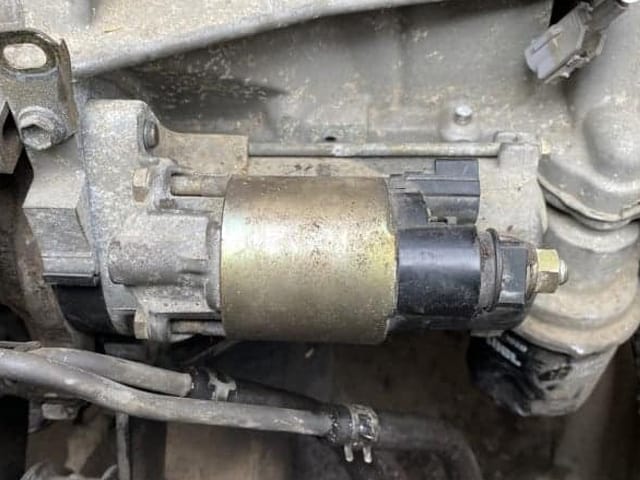
The morning commute. It's a symphony of internal combustion, a ballet of brake lights, a… silence? That dreaded *click-click-click* instead of the reassuring roar of your engine. A failing starter motor is the automotive equivalent of a rude awakening, leaving you stranded and questioning your car's loyalty. But how do you know if your starter is on its last legs before it completely gives up the ghost? Let's dive in.
Early Warning Signs: The Tell-Tale Clicks and Grinds
The most obvious sign of a failing starter is, of course, the click-click-click when you turn the key. This usually indicates that the solenoid isn't engaging properly, either due to a weak battery, corroded connections, or a worn-out solenoid itself. However, the symptoms can vary depending on the car.
Classic Cars vs. Modern Marvels: Older cars, particularly those with carburetors, might exhibit slower cranking speeds before the clicking starts. This is because the starter has to work harder to overcome the inertia of the engine, especially in cold weather. Modern cars with fuel injection and advanced engine management systems are generally quicker to crank and start, so any hesitation should be taken more seriously. The *computer* is handling a lot more of the pre-ignition process and any error could point to the starter.
Symptom Breakdown: Model and Engine Specifics
Let's look at some specific symptoms and how they might manifest differently based on the type of vehicle you drive:
- The Reluctant Starter (All Models): This is a common symptom. The engine cranks slowly, struggles to turn over, and eventually starts (or doesn't).
- The Grinder (Common in High-Mileage Vehicles): You hear a grinding noise as the starter engages, indicating worn gears in the starter motor or on the flywheel.
- The Free Spinner (More prevalent in older cars): The starter motor spins freely, but the engine doesn't crank. This usually means the pinion gear isn't engaging with the flywheel.
- The Intermittent Starter (Nightmare Scenario): The starter works sometimes, but not others. This can be caused by loose connections, a failing solenoid, or a dying starter motor.
Diesel vs. Gasoline: Diesel engines require significantly more torque to start than gasoline engines due to their higher compression ratios. Therefore, a failing starter in a diesel will often exhibit weaker cranking and more pronounced clicking than in a comparable gasoline engine. You may also notice excessive smoke coming from the exhaust during starting attempts.
Troubleshooting and Testing: Get Your Hands Dirty
Before condemning the starter, it's crucial to rule out other potential causes. The most common culprit is a weak battery or corroded battery terminals. Clean the terminals thoroughly and have your battery tested at a local auto parts store. You can also try jump-starting the car. If it starts easily, the battery is likely the problem.
Testing the Starter: If the battery is good, you can test the starter using a multimeter. Check for voltage at the starter solenoid when the key is turned to the start position. If there's voltage, but the starter doesn't engage, the starter motor itself is likely the problem. There are other tests that can be performed, but they require some electrical knowledge and safety precautions.
Pros and Cons: Starter Motor Replacement
Replacing a starter motor can be a DIY project, but it's important to assess your skills and experience before tackling it. Here's a quick rundown of the pros and cons:
- Pros:
- Save money on labor costs.
- Gain valuable experience working on your car.
- Cons:
- Can be physically demanding (especially on older cars with difficult access).
- Requires tools and some mechanical knowledge.
- Potential for complications (stripped bolts, incorrect installation).
Real-World Driving Impressions: When to Worry
I owned a 2003 BMW 325i that started exhibiting a slight hesitation when starting in cold weather. Initially, I dismissed it as a quirk of the car. However, over the next few weeks, the hesitation grew more pronounced, and eventually, the starter would occasionally click instead of engaging. That's when I knew it was time to replace it. Delaying the repair only increased the chances of getting stranded at an inconvenient time.
Contrast that with a friend who had a 1970 Ford Mustang. The starter in that car was much more robust, and even with noticeable wear and tear (grinding noises), it continued to function for months before finally giving out. The point? Know your car. Understand its quirks. And don't ignore the warning signs.
Spec Table: Starter Motor Lifespan (Estimates)
| Vehicle Type | Estimated Lifespan (Miles) | Estimated Lifespan (Years) |
|---|---|---|
| Modern Sedan/SUV | 80,000 - 150,000 | 7 - 12 |
| Truck/Heavy-Duty Vehicle | 60,000 - 120,000 | 5 - 10 |
| Classic Car (Pre-1980) | Variable (highly dependent on maintenance and usage) | Variable (can last decades with proper care) |
Note: These are just estimates. Driving conditions, maintenance habits, and the quality of the starter motor itself can all significantly impact its lifespan.
So, there you have it. A comprehensive guide to diagnosing a failing starter motor. Remember to listen to your car, pay attention to the warning signs, and don't be afraid to get your hands dirty. And one final question: Are aftermarket high-torque starters worth the investment, or are they just overkill for a daily driver? Let the debate begin!