
How Do You Know When To Replace Your Tires
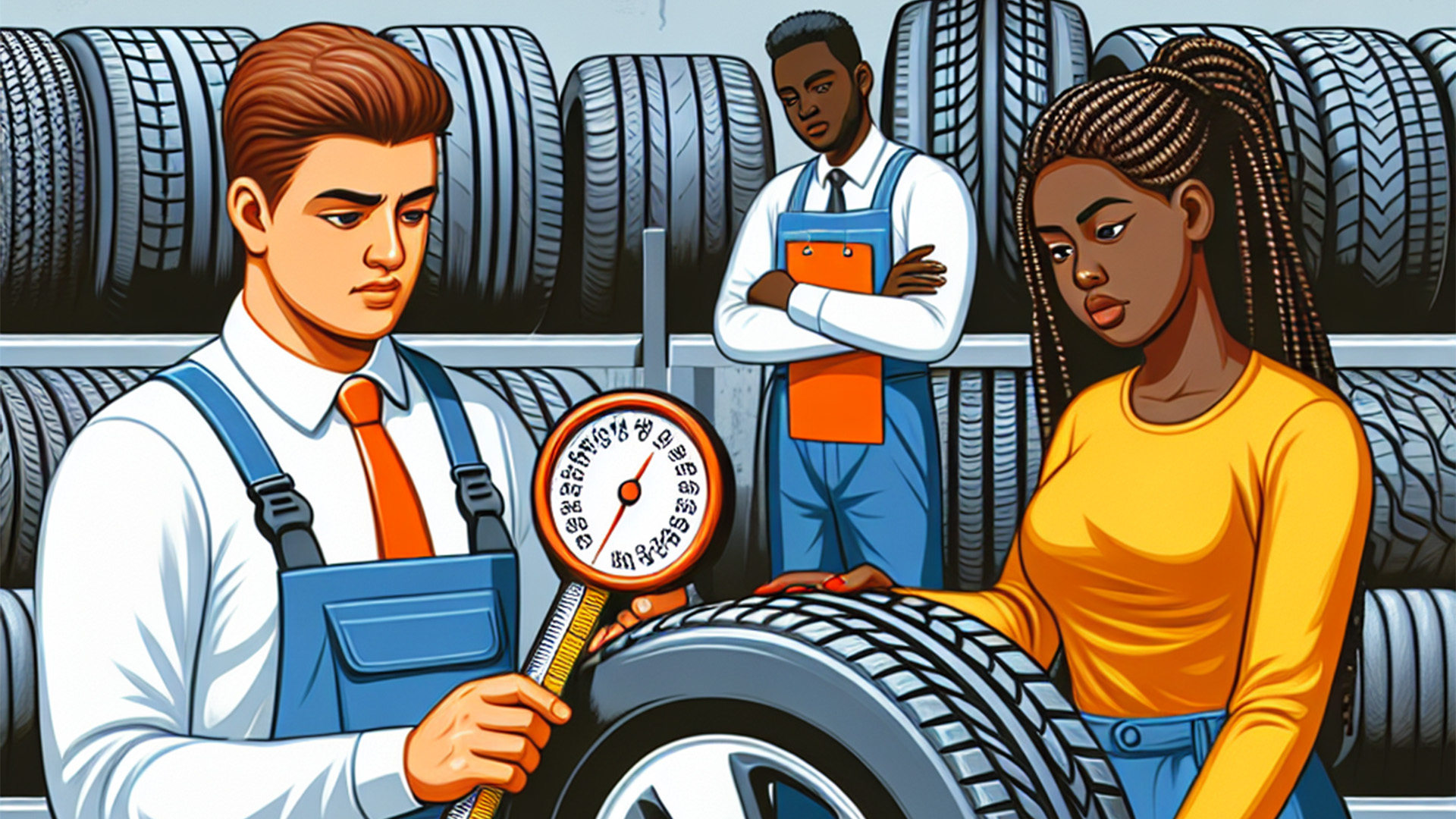
Knowing when to replace your tires is crucial for your safety on the road. Worn tires significantly impact your vehicle's handling, braking distance, and overall performance, especially in adverse weather conditions. Don't wait for a blowout or a near-accident to prompt a change. This guide will provide you with the knowledge to determine when it's time to invest in new tires, ensuring a safer and more comfortable driving experience.
Understanding Tire Wear and Its Impact
Tires aren't just round pieces of rubber; they're complex components engineered to provide grip, stability, and a smooth ride. Over time, the tread wears down due to friction with the road surface. This wear reduces the tire's ability to grip the road, particularly in wet or snowy conditions. Reduced tread depth translates to longer stopping distances, increased risk of hydroplaning, and compromised handling.
Ignoring worn tires can also lead to legal and financial consequences. Many jurisdictions have minimum tread depth requirements, and driving with tires below these limits can result in fines and potentially affect your insurance coverage in the event of an accident.
Key Indicators That It's Time For New Tires
Several indicators can help you determine when your tires need replacing. Regularly inspect your tires for these signs:
1. Tread Depth
Tread depth is the most crucial factor in determining tire replacement. New tires typically have a tread depth of 10/32" or 11/32". Most experts recommend replacing tires when the tread depth reaches 2/32".
The Penny Test: This simple test provides a quick estimate of your tread depth. Place a penny with Lincoln's head facing down into the tread groove. If you can see the top of Lincoln's head, your tread depth is likely at or below 2/32", and it's time to replace your tires.
Tread Wear Indicators (TWI): Most tires have molded-in tread wear indicators, which are narrow bands of smooth rubber that run across the tread. When the tread wears down to the level of these indicators, it signals that the tire has reached its minimum safe tread depth and needs to be replaced.
2. Sidewall Damage
Carefully inspect the sidewalls of your tires for any signs of damage, such as:
- Cracks: Small surface cracks, called weather cracking, are common in older tires. However, deep or numerous cracks can indicate structural weakness.
- Bulges: A bulge or bubble on the sidewall is a serious issue. It indicates that the internal structure of the tire has been damaged, and the tire is at risk of a blowout.
- Cuts: Deep cuts or gashes in the sidewall can compromise the tire's integrity.
Any significant sidewall damage warrants immediate tire replacement. Don't risk driving on a tire with a compromised sidewall.
3. Uneven Wear Patterns
Uneven wear patterns can indicate mechanical issues with your vehicle, such as misaligned wheels, worn suspension components, or improper tire inflation. Common uneven wear patterns include:
- Edge Wear: Wear on the outer or inner edges of the tire can be caused by underinflation, overinflation, or improper alignment.
- Center Wear: Wear in the center of the tire can be caused by overinflation.
- Cupping: Scalloped or cupped wear patterns can indicate worn suspension components, such as shocks or struts.
- Diagonal Wear: Wear diagonally across the tire is often caused by a bent suspension component.
If you notice uneven wear, have your vehicle inspected by a qualified mechanic. Addressing the underlying mechanical issues and replacing the worn tires will ensure even wear on your new set.
4. Age of Tires
Even if your tires appear to have sufficient tread depth, their age can affect their performance and safety. Tires degrade over time, even if they are not driven on regularly. The rubber compound hardens, making the tire less flexible and reducing its grip. The National Highway Traffic Safety Administration (NHTSA) recommends replacing tires that are six years or older, regardless of tread depth.
How to Find the Tire's Age: Look for the DOT (Department of Transportation) code on the tire's sidewall. The last four digits of the DOT code indicate the week and year the tire was manufactured. For example, a DOT code ending in "1223" means the tire was manufactured in the 12th week of 2023.
5. Vibrations or Noise
Unusual vibrations or noise while driving can be a sign of tire problems. These symptoms can indicate a tire imbalance, a damaged tire, or a problem with your vehicle's suspension. If you experience excessive vibration or noise, have your vehicle inspected by a professional.
6. Punctures and Repairs
While some punctures can be safely repaired by a professional, not all tires are repairable. If you've had a tire repaired, it's important to monitor it closely for any signs of problems. Consult a tire professional to determine if a puncture is safely repairable. Generally, punctures located in the sidewall are not repairable.
Choosing the Right Replacement Tires
When it's time to replace your tires, consider these factors:
- Tire Size: Use the correct tire size specified in your vehicle's owner's manual or on the tire placard located on the driver's side doorjamb.
- Tire Type: Choose tires that are appropriate for your driving conditions and vehicle type. Consider factors such as all-season performance, winter traction, or high-performance handling.
- Load Index and Speed Rating: Ensure that the replacement tires have a load index and speed rating that meet or exceed the requirements specified by the vehicle manufacturer.
- Budget: Tires are available in a wide range of price points. Balance your budget with your needs and priorities.
Consult with a tire professional to get personalized recommendations for the best replacement tires for your vehicle.
Proper Tire Maintenance to Extend Tire Life
Proper tire maintenance can significantly extend the life of your tires and improve your vehicle's performance. Follow these tips:
- Maintain Proper Tire Inflation: Check your tire pressure regularly (at least once a month) and inflate your tires to the recommended pressure specified in your vehicle's owner's manual or on the tire placard.
- Rotate Your Tires: Rotate your tires every 5,000 to 8,000 miles to promote even wear.
- Balance Your Tires: Have your tires balanced when you get them rotated or if you notice any vibrations.
- Get Regular Wheel Alignments: Regular wheel alignments help to prevent uneven tire wear and improve handling.
By following these maintenance tips, you can maximize the lifespan of your tires and ensure optimal performance.
Conclusion
Knowing when to replace your tires is an essential aspect of vehicle maintenance and safety. By regularly inspecting your tires for tread depth, sidewall damage, and uneven wear, and by being mindful of their age, you can make informed decisions about when to replace them. Prioritizing tire maintenance and choosing the right replacement tires will ensure a safer and more comfortable driving experience for you and your passengers. Don't hesitate to consult a tire professional for expert advice and assistance.