
How Do You Know You Have A Bad Alternator
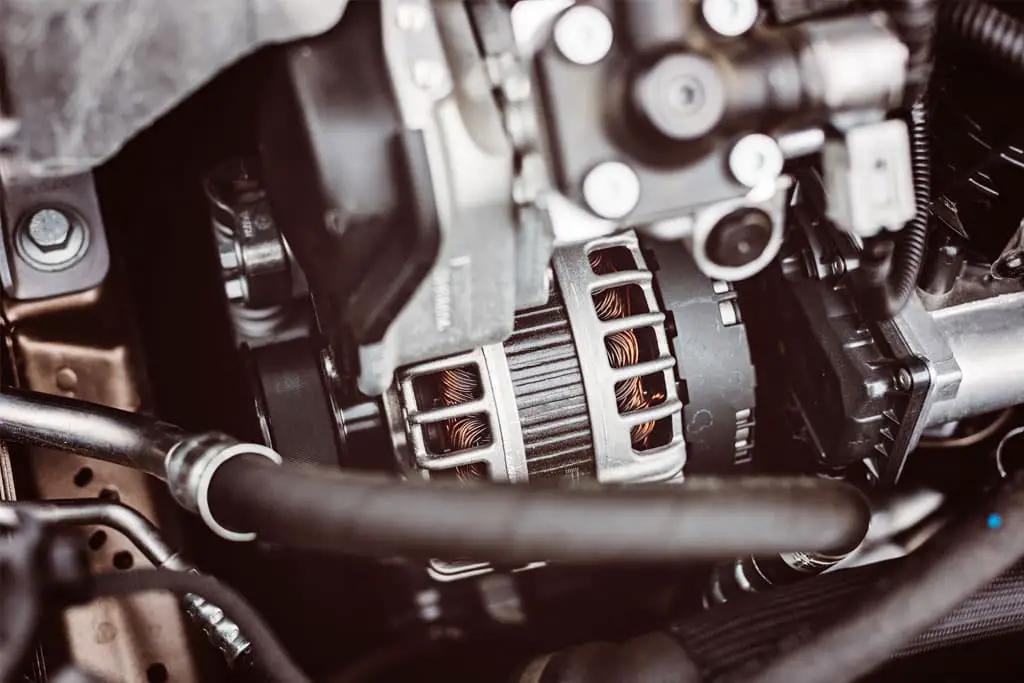
The alternator, the unsung hero of your vehicle's electrical system. It's a robust device, typically lasting many years, but like any mechanical and electrical component, it's susceptible to failure. Understanding how an alternator works and recognizing the telltale signs of its decline can save you from a roadside breakdown and a costly tow. This guide delves into the intricacies of alternator operation and provides a comprehensive checklist for diagnosing a potentially failing unit.
Understanding the Alternator's Role
At its core, the alternator is an electromagnetic induction machine. Its primary function is to convert mechanical energy from the engine (via a belt and pulley system) into electrical energy. This electrical energy serves two critical purposes:
- Recharging the Battery: The alternator constantly replenishes the battery's charge, which is essential for starting the engine and powering accessories when the engine is off.
- Powering Electrical Loads: While the engine is running, the alternator supplies power to all of the vehicle's electrical components, including headlights, windshield wipers, radio, power windows, and the engine control unit (ECU).
Inside the alternator, a rotating component called the rotor, which contains a set of electromagnetic coils (the field winding), spins rapidly within a stationary component called the stator, which also contains windings. As the rotor spins, it induces an alternating current (AC) in the stator windings. This AC voltage is then rectified into direct current (DC) by a series of diodes, forming the usable power for the vehicle's electrical system. A voltage regulator ensures that the output voltage remains within a stable range, typically around 13.5 to 14.5 volts, to prevent overcharging the battery and damaging sensitive electronic components.
Common Symptoms of a Failing Alternator
Recognizing the early warning signs of a failing alternator is crucial. The severity of the symptoms can vary depending on the extent of the damage and the vehicle's electrical demands. Here are some common indicators:
1. Dim or Flickering Headlights
This is often one of the first and most noticeable signs. As the alternator weakens, it may struggle to provide sufficient power to the headlights, resulting in a dim or flickering beam. The intensity may change with engine RPMs; becoming brighter with increased speed or dimming further at idle.
2. Warning Lights on the Dashboard
Modern vehicles are equipped with warning lights that illuminate when the electrical system detects a problem. Look out for the following:
- Battery Light: While this light *could* indicate a problem with the battery itself, it often signals that the alternator is not properly charging the battery. The ECU monitors the voltage and current flowing into the battery and triggers the light when these parameters fall outside of acceptable limits.
- ALT or GEN Light: Some vehicles have a specific "ALT" (alternator) or "GEN" (generator) light to directly indicate an alternator issue.
It's important to note that a warning light alone doesn't definitively diagnose a bad alternator. Further testing is required.
3. Difficulty Starting the Engine
If the alternator is not charging the battery effectively, the battery's charge will slowly deplete. This can lead to difficulty starting the engine, characterized by a slow cranking speed or even a complete failure to start.
4. Stalling
In more severe cases, a failing alternator can cause the engine to stall. The engine relies on a consistent electrical supply for its ignition system, fuel injectors, and various sensors. If the alternator cannot provide sufficient power, these components may malfunction, leading to engine stalling, especially at low speeds or when the vehicle is under load (e.g., running the air conditioner).
5. Unusual Noises
A failing alternator can sometimes produce unusual noises, such as:
- Whining or Grinding: Worn bearings inside the alternator can produce a whining or grinding noise that increases in pitch with engine RPM.
- Rattling: A loose or damaged pulley on the alternator can cause a rattling noise.
These noises can be difficult to pinpoint without specialized tools, but they are worth investigating if you suspect an alternator problem.
6. Electrical System Malfunctions
A failing alternator can manifest in various electrical system malfunctions. This could include:
- Erratic operation of power windows or locks.
- Malfunctioning radio or infotainment system.
- Problems with the anti-lock braking system (ABS) or other safety systems.
These symptoms can be intermittent and may be difficult to associate with a specific component. However, if they occur in conjunction with other signs of a failing alternator, it's worth investigating further.
Diagnosing a Bad Alternator: The Technical Approach
While the symptoms listed above can provide clues, a definitive diagnosis requires more rigorous testing. Here are some methods to assess alternator health:
1. Voltage Test with a Multimeter
This is the most common and straightforward test. Use a digital multimeter to measure the voltage at the battery terminals under two conditions:
- Engine Off: The battery voltage should be around 12.6 volts for a fully charged battery. A reading below 12.0 volts indicates a low charge or a potential battery problem.
- Engine Running: With the engine running at idle, the voltage should be between 13.5 and 14.5 volts. This indicates that the alternator is charging the battery. A reading significantly outside this range suggests a problem with the alternator or the voltage regulator. Turn on accessories like headlights and the air conditioner to put a load on the system and observe the voltage. It shouldn't drop excessively.
Important: Ensure the multimeter is set to DC voltage and that you observe proper polarity (red lead to positive terminal, black lead to negative terminal).
2. Load Test
A load test places a significant electrical demand on the alternator to assess its ability to maintain voltage under load. Auto parts stores often offer free alternator load testing. The test typically involves connecting a specialized load tester to the battery and observing the alternator's voltage output under a controlled load. A failing alternator will struggle to maintain the required voltage, indicating a problem.
3. Diode Ripple Test
This test checks the integrity of the diodes within the alternator. Diodes rectify the AC voltage produced by the stator into DC voltage. A faulty diode can allow AC voltage to "leak" into the DC circuit, causing electrical interference and potentially damaging sensitive electronic components. A diode ripple test uses a multimeter set to AC voltage, connected to the battery terminals with the engine running. A high AC voltage reading (typically above 0.5 volts AC) suggests a faulty diode.
4. Visual Inspection
A thorough visual inspection of the alternator can reveal obvious problems. Look for:
- Damaged or Worn Belts: A loose or cracked belt can cause the alternator to spin at the wrong speed, reducing its output.
- Corroded Connections: Corrosion on the alternator's terminals can impede electrical flow.
- Physical Damage: Check for any signs of physical damage to the alternator housing or pulley.
Safety Note: Always disconnect the negative battery cable before performing any electrical work on your vehicle.
Conclusion
Diagnosing a bad alternator requires a combination of observation, understanding of the electrical system, and proper testing techniques. While some tests require specialized equipment, many can be performed with a simple multimeter and a bit of knowledge. By carefully evaluating the symptoms and performing the appropriate tests, you can confidently determine whether your alternator is on its way out and take the necessary steps to prevent a breakdown. Remember to always consult your vehicle's repair manual for specific procedures and safety precautions. Replacing a faulty alternator is a crucial maintenance task that ensures the reliability and longevity of your vehicle's electrical system.