
How Do You Know Your Car Battery Is Dying
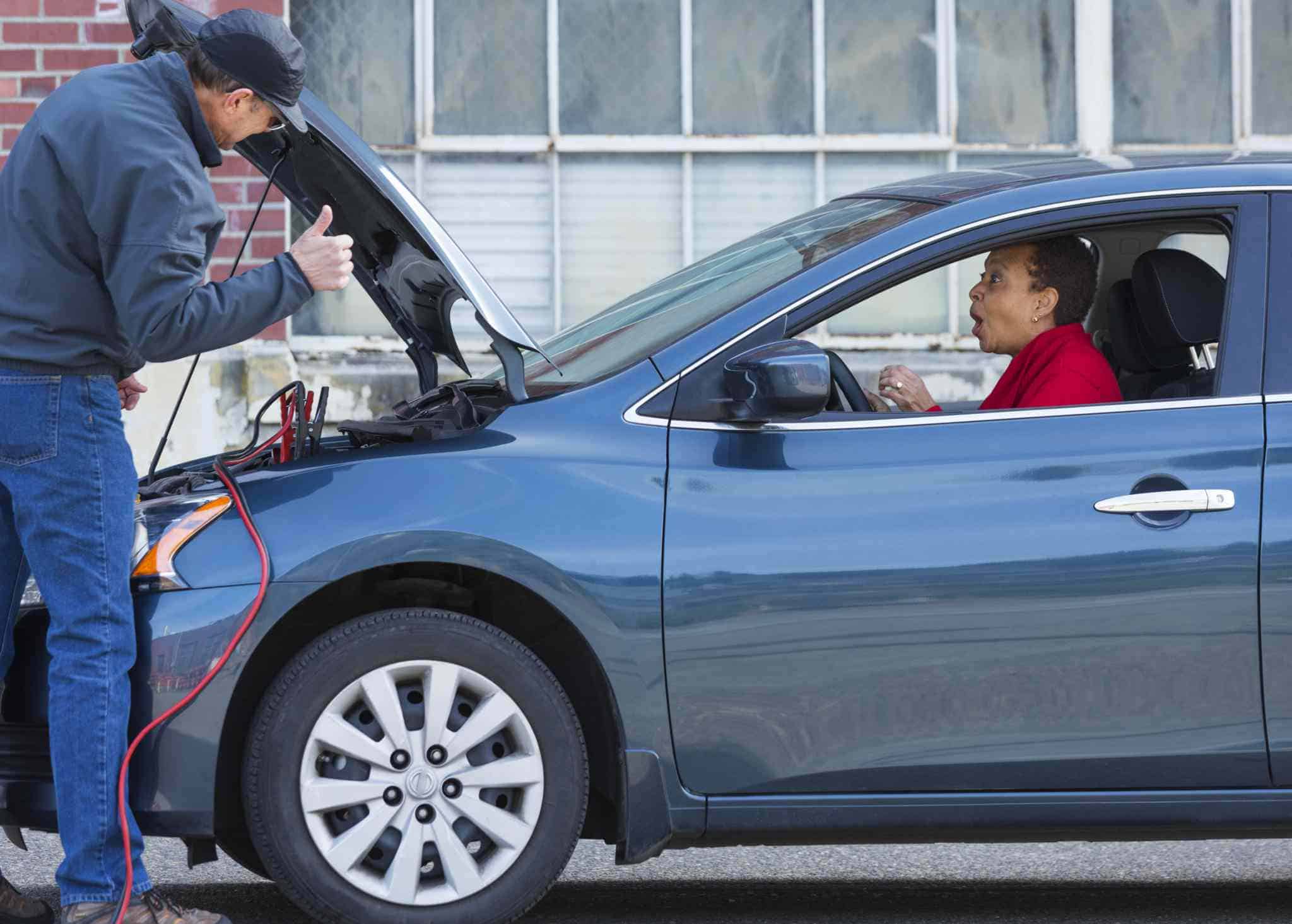
Your car battery is the unsung hero of your daily drive. It's the workhorse responsible for getting your engine started, powering your lights, and running all the electrical accessories that make driving comfortable and convenient. But like any component, car batteries have a finite lifespan. Knowing the warning signs of a dying battery can save you from getting stranded and potentially prevent damage to other electrical components.
The Silent Struggle: Understanding Battery Basics
Before diving into the symptoms, let's quickly review how a car battery works. Most cars use 12-volt lead-acid batteries. These batteries contain lead plates submerged in an electrolyte solution of sulfuric acid and water. A chemical reaction between the lead and the acid produces electrons, creating an electrical current. This current powers the starter motor, which cranks the engine until it starts running on its own fuel.
Over time, this chemical process degrades. The lead plates can sulfate (a buildup of lead sulfate crystals), reducing their surface area and the battery's ability to hold a charge. Temperature extremes (both hot and cold) can accelerate this degradation. Think of it like this: imagine a sponge gradually clogging with sand. It can still absorb water, but not as efficiently as it once could.
Unlike some components that fail dramatically, car batteries often degrade gradually. You might not notice a problem one day, and the next, your car refuses to start.
Recognizing the Warning Signs: The Telltale Clues
Here are some common indicators that your car battery is on its way out:
1. Slow Engine Cranking
This is one of the most common and easily noticeable signs. When you turn the key, the engine cranks sluggishly, taking longer than usual to start. It might sound like the starter motor is struggling. This happens because the battery can't deliver enough amperage (electrical current) to the starter motor quickly enough. For example, if you typically own a Honda Civic, you are used to it starting almost instantly. If you notice that your Honda Civic takes 3 or 4 seconds to start instead of the usual half a second, you should have the battery checked out immediately. Compare this to a healthy battery that can deliver a strong, immediate jolt of power.
2. Dim Headlights and Weak Accessories
If your headlights appear dimmer than usual, especially at idle, or if other electrical accessories like the radio, power windows, or air conditioning seem sluggish, it could indicate a weak battery. The battery is responsible for supplementing the electrical system when the engine isn't generating enough power on its own. As the battery weakens, it can't provide enough voltage to keep these accessories running at full strength. Have you ever noticed how the headlights on an older Ford F-150 dim slightly when you turn on the air conditioning at a stoplight? This can be an early warning sign.
3. The Battery Warning Light
Your car's dashboard is equipped with warning lights to alert you to potential problems. The battery warning light, which looks like a battery symbol, usually illuminates when the charging system (alternator) isn't properly charging the battery. While the alternator is primarily responsible for charging the battery while the engine is running, a failing battery can overload the alternator, causing the light to come on. It's crucial to distinguish between an alternator problem and a battery problem. A simple test with a multimeter (explained later) can help you diagnose the issue.
4. Corrosion on the Battery Terminals
A white, bluish, or greenish buildup on the battery terminals is a sign of corrosion. This corrosion can impede the flow of electricity and weaken the connection between the battery and the car's electrical system. Battery acid leaks are the usual culprit of the buildup. Clean the corrosion off using a baking soda and water solution. Always disconnect the negative terminal first, then the positive terminal, before cleaning. Afterwards, apply a terminal protector spray to help prevent future corrosion. Regular inspection of the battery terminals, even on newer cars like a Tesla Model 3, is a good preventative maintenance practice.
5. Swollen or Bloated Battery Case
Extreme temperatures or overcharging can cause the battery case to swell or bulge. This indicates internal damage and is a serious safety hazard. A swollen battery can leak corrosive acid or even explode. If you notice this, replace the battery immediately and handle it with extreme care. This issue is more common in older vehicles, but it can also occur in newer vehicles if the charging system malfunctions. Don't ignore this symptom – it's a clear sign that the battery is beyond repair.
6. A Rotten Egg Smell
A sulfuric (rotten egg) smell around the battery is a sign of a leaking battery. This is caused by hydrogen sulfide gas escaping from the battery. This smell should not be ignored because hydrogen sulfide is toxic. You need to have the car checked out immediately. If the battery is leaking you should have it replaced immediately.
7. Age of the Battery
Car batteries typically last between 3 and 5 years, depending on factors like climate, driving habits, and maintenance. If your battery is approaching or exceeding this age range, it's a good idea to have it tested, even if you aren't experiencing any obvious symptoms. Preventative maintenance can save you from getting stranded. Check the battery's manufacturing date, usually stamped on the case, to get an idea of its age.
DIY Diagnosis: Testing Your Battery
You can perform some simple tests at home to assess your battery's health:
1. The Headlight Test (Simple but Inaccurate)
With the engine off, turn on your headlights. If they're noticeably dim, start the engine. If the headlights brighten significantly when the engine is running, it suggests the battery is weak and the alternator is compensating. This test is not very accurate but can provide a quick initial assessment.
2. Using a Multimeter (More Accurate)
A multimeter is a versatile tool that can measure voltage, current, and resistance. To test your battery's voltage, follow these steps:
- Set the multimeter to DC voltage (usually marked with a "V" and a straight line).
- Connect the red (positive) lead to the positive terminal of the battery.
- Connect the black (negative) lead to the negative terminal of the battery.
- Read the voltage displayed on the multimeter.
A fully charged 12-volt battery should read between 12.6 and 12.8 volts. A reading below 12.4 volts indicates a partially discharged battery, and a reading below 12.0 volts suggests a significantly weakened battery that may need replacement. Be careful and wear safety glasses when performing this test.
3. Load Testing (Most Accurate)
A load test simulates the electrical load the battery experiences when starting the engine. This test provides the most accurate assessment of the battery's ability to deliver power under stress. Most auto parts stores offer free battery load testing. The device will apply a load to the battery and determine if the voltage drops below a certain threshold, indicating a weak or failing battery. This test is far more reliable than simply measuring the voltage.
Practical Takeaways: Keeping Your Battery Healthy
Here are some practical tips to prolong your car battery's life and avoid unexpected breakdowns:
- Regularly inspect your battery terminals for corrosion and clean them as needed.
- Avoid leaving your headlights or accessories on when the engine is off.
- Limit short trips, as they don't allow the battery enough time to fully recharge.
- Have your battery tested annually, especially if it's over three years old.
- Consider investing in a battery maintainer (also known as a trickle charger) if you frequently leave your car unused for extended periods. This will help keep the battery charged and prevent sulfation.
- If you live in an area with extreme temperatures, consider using a battery blanket in the winter to help maintain optimal battery performance.
By understanding the warning signs and taking proactive steps, you can keep your car battery healthy and avoid the inconvenience and expense of a sudden breakdown. Remember, a little preventative maintenance can go a long way.