
How Do You Know Your Starter Is Going Bad
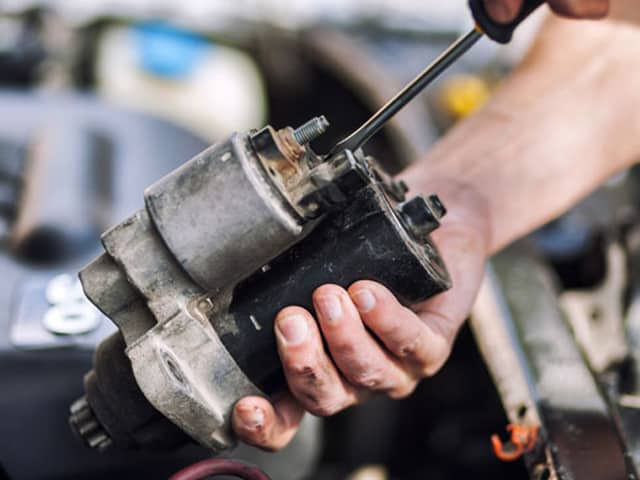
Ah, the starter motor. The unsung hero of every car journey, the little electric workhorse that gets your engine spinning and ready to roar. But like all mechanical components, it eventually wears out. The question is: How do you know when your starter is waving the white flag before it leaves you stranded?
The Tell-Tale Signs of a Dying Starter
Several symptoms can indicate a failing starter. Recognizing them early can save you from a frustrating and potentially expensive roadside repair. We'll explore these signs, highlighting how they might manifest differently depending on your vehicle.
- Clicking Noise: This is perhaps the most common and dreaded sign. You turn the key, and instead of the engine cranking, you hear a single click or a series of clicks. This usually indicates the solenoid isn't engaging properly, often due to a weak battery or worn-out solenoid contacts. However, some newer vehicles with complex immobilizer systems can also produce a clicking sound if the system isn't recognizing the key. Modern cars with push-button start systems often present this as a delayed start accompanied by the click.
- Grinding Noise: A grinding sound during starting suggests that the starter motor pinion gear isn't meshing correctly with the flywheel or flexplate. This can be caused by worn teeth on either component or a misaligned starter. This is especially noticeable on older cars with manual transmissions where aggressive downshifts might have put extra stress on the flywheel.
- Slow Cranking: The engine cranks over slowly and sluggishly, even with a fully charged battery. This suggests the starter motor is struggling to turn the engine, often due to worn brushes or internal resistance. This is especially prevalent in colder climates, where the added resistance of cold oil makes the starter work harder. Diesel engines, which require a higher compression ratio to start, are even more susceptible to slow cranking when the starter is failing.
- No Noise, No Crank: Absolutely nothing happens when you turn the key. This could be a dead battery, a faulty ignition switch, or a completely failed starter motor. Always check the battery first, but if that's not the culprit, the starter is a prime suspect.
- Intermittent Starting: Sometimes the car starts perfectly fine, and other times it refuses to cooperate. This erratic behavior is a classic sign of a failing component that's on its way out. This is particularly common in vehicles with start-stop technology, as the starter motor is subjected to much more frequent use.
- Smoke or Burning Smell: This is a serious warning sign. Smoke or a burning smell emanating from the starter area indicates overheating and potential electrical failure. Immediately stop trying to start the car and have it inspected by a professional.
Model and Engine Specific Considerations
The way a starter fails and the symptoms it exhibits can vary depending on the vehicle's make, model, and engine type. Here's a breakdown:
| Vehicle Type | Common Starter Issues | Distinctive Symptoms |
|---|---|---|
| Older V8 Muscle Cars (e.g., 1969 Mustang) | Heat soak, solenoid failure due to high amperage draw. | Starter works fine when cold, fails to start after the engine has been running and is hot. Requires wrapping the starter in a heat shield. |
| Modern Turbocharged 4-Cylinder Cars (e.g., Honda Civic Type R) | Premature wear due to start-stop systems, increased stress from high compression ratios. | Extended cranking times, frequent activation of the start-stop system even with a marginal battery. |
| Diesel Trucks (e.g., Ford F-250 Powerstroke) | High starting torque requirements, corrosion due to exposure to the elements. | Extremely slow cranking, grinding noise more pronounced due to the larger flywheel. |
| Electric Vehicles (e.g., Tesla Model 3) | EVs don't use a traditional starter motor. Instead, the motor drives the gearbox to initiate movement from a standstill. Related issues are different but can result in similar "won't start" symptoms. | These may have completely different failure symptoms. A malfunctioning motor controller or battery management system can mimic a starter failure. |
Real-World Driving Impressions
Imagine you're cruising down the highway in your beloved classic car. You pull over for gas, and when you try to restart, all you hear is a disheartening click. You're stranded! This is a far cry from the reassuring roar of your engine. On the other hand, in a modern car with a sophisticated start-stop system, a failing starter might manifest as an increasingly hesitant start, barely noticeable at first but gradually worsening over time. The experience is less dramatic but equally inconvenient.
Prevention and Maintenance
While starter failure is often inevitable, you can prolong its lifespan with proper maintenance. Ensure your battery is always in good condition, as a weak battery puts extra strain on the starter. Periodically check the starter connections for corrosion and clean them as needed. Avoid prolonged cranking, as this can overheat the starter motor. Consider a high-torque starter for classic cars prone to heat soak.
Is It Really the Starter? A Quick Diagnostic Guide
Before condemning the starter, perform some basic troubleshooting:
- Check the Battery: Use a voltmeter to check the battery voltage. It should be at least 12.4 volts.
- Check the Connections: Ensure the battery terminals and starter connections are clean and tight.
- Listen for the Solenoid: Have someone turn the key while you listen near the starter. If you hear a click, the solenoid is likely engaging. If you don't hear anything, the solenoid may be faulty.
- Bypass the Solenoid (Use Caution!): If you're comfortable working with electrical systems, you can carefully bypass the solenoid by jumping the two large terminals on the starter. If the starter cranks, the solenoid is the problem. This should only be done by experienced individuals as it can be dangerous!
If you've ruled out other potential causes and the symptoms point to a failing starter, it's time to replace it. You can tackle this yourself if you're mechanically inclined, or take it to a trusted mechanic.
Pros and Cons of DIY Starter Replacement:
- Pros: Cost savings, personal satisfaction.
- Cons: Requires mechanical skill, can be time-consuming, potential for injury if not done correctly.
Pros and Cons of Professional Starter Replacement:
- Pros: Guaranteed workmanship, convenience, access to specialized tools.
- Cons: Higher cost.
Ultimately, understanding the signs of a failing starter can save you time, money, and a lot of frustration. By paying attention to your car's behavior and performing basic maintenance, you can keep that little electric workhorse spinning for years to come.
And now for a fun debate: Manual transmissions...are they REALLY less prone to starter issues since you can push-start them? Or does the added strain on the flywheel from aggressive downshifts negate any benefit? Let the arguments begin!