
How Do You Measure Backspacing On A Wheel
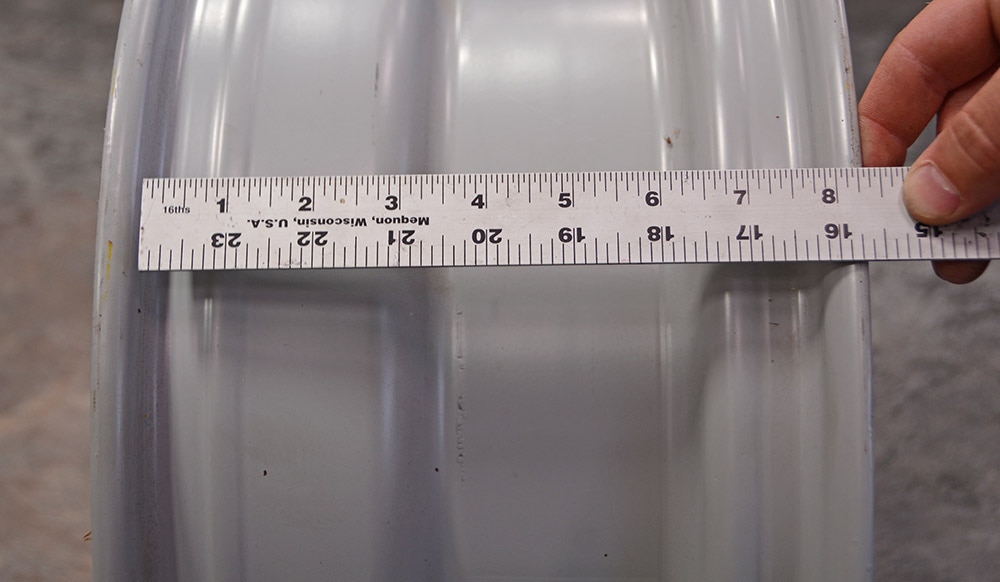
For decades, measuring backspacing on a wheel has been a relatively straightforward, albeit sometimes messy, task. Grab a ruler or straight edge, lay it across the back of the wheel, and measure the distance to the wheel's mounting surface. Simple, right? But as the automotive landscape undergoes a dramatic transformation, driven by electric vehicles (EVs), advanced driver-assistance systems (ADAS), and increasingly complex suspension geometries, even seemingly fundamental aspects like wheel fitment are being re-evaluated and refined.
The Traditional Method: Still Relevant, But...
The traditional method of measuring backspacing isn't going away anytime soon. It's still the bedrock for determining if a wheel will clear brake calipers, suspension components, and inner wheel wells. However, the increasing complexity of modern vehicles presents new challenges. For instance, the larger brake rotors and multi-piston calipers commonly found on performance EVs and high-performance hybrid systems demand even more precise measurements and a deeper understanding of wheel offset and backspacing relationships.
Emerging Technologies: Redefining Precision
Several emerging technologies are poised to revolutionize how we approach wheel fitment, making the process more accurate and efficient. 3D scanning, for example, is becoming increasingly accessible. Instead of relying on manual measurements, a 3D scanner can create a highly detailed digital model of the wheel well and surrounding components. This allows for precise simulations of wheel fitment, identifying potential clearance issues before a single lug nut is tightened. Imagine virtually 'test fitting' dozens of wheel and tire combinations in minutes!
Beyond scanning, advanced modeling software is incorporating Finite Element Analysis (FEA). This allows engineers and even informed enthusiasts to simulate the stress and strain on wheels and tires under various driving conditions. By inputting backspacing and offset data into the model, you can understand how wheel fitment affects load distribution and handling characteristics, optimizing not just for clearance, but also for performance and safety.
The Electric Vehicle Factor
The rise of EVs adds another layer of complexity. EVs often feature unique suspension designs to accommodate battery packs and optimize energy efficiency. Furthermore, regenerative braking systems can influence brake rotor and caliper size, necessitating careful consideration of wheel backspacing. Many EVs prioritize aerodynamic efficiency, and wheel design plays a significant role. Therefore, selecting wheels with the correct backspacing becomes crucial not only for fitment but also for maintaining the vehicle's intended aerodynamic performance. Incorrect backspacing could negatively impact range and efficiency.
Moreover, the instant torque of electric motors places significant stress on wheel components. This reinforces the need for robust wheel designs and accurate fitment to ensure long-term durability and prevent premature wear on suspension components. Future EVs might even incorporate sensors that monitor wheel stress and provide real-time feedback on wheel load and alignment, allowing for proactive adjustments to optimize performance and safety.
Smart Automotive Solutions and the Future of Wheel Fitment
The integration of smart automotive solutions will further transform how we measure and optimize wheel fitment. Imagine a future where your vehicle's onboard computer can automatically detect and adjust wheel alignment based on road conditions and driving style. Or perhaps a system that uses sensors to dynamically adjust wheel offset to optimize cornering performance or improve fuel efficiency. These scenarios, while seemingly futuristic, are becoming increasingly plausible as vehicles become more interconnected and intelligent.
Challenges and Optimism
While these advancements hold immense promise, several challenges remain. The cost of 3D scanning and advanced modeling software can be prohibitive for some enthusiasts. Furthermore, the lack of standardized data formats and interoperability between different software platforms can create compatibility issues. However, as these technologies mature and become more accessible, these challenges will undoubtedly be overcome.
Despite these hurdles, the future of wheel fitment is bright. The combination of emerging technologies, the increasing sophistication of vehicle systems, and the growing demand for personalized mobility solutions is driving innovation at an unprecedented pace. We are moving towards a future where wheel fitment is not just about clearing brake calipers; it's about optimizing performance, efficiency, safety, and overall driving experience.
The evolution of wheel backspacing measurement is a microcosm of the broader transformation occurring in the automotive industry. It reflects our relentless pursuit of precision, efficiency, and personalized mobility. As we embrace new technologies and challenge conventional wisdom, we unlock new possibilities for enhancing the driving experience and creating a more sustainable and connected future. The wheel, a fundamental invention that has shaped civilization, continues to evolve, driven by the relentless innovation of the automotive industry. It reminds us that even the most seemingly simple aspects of the car are constantly being re-imagined and optimized for the future.