
How Do You Program A Tire Pressure Sensor
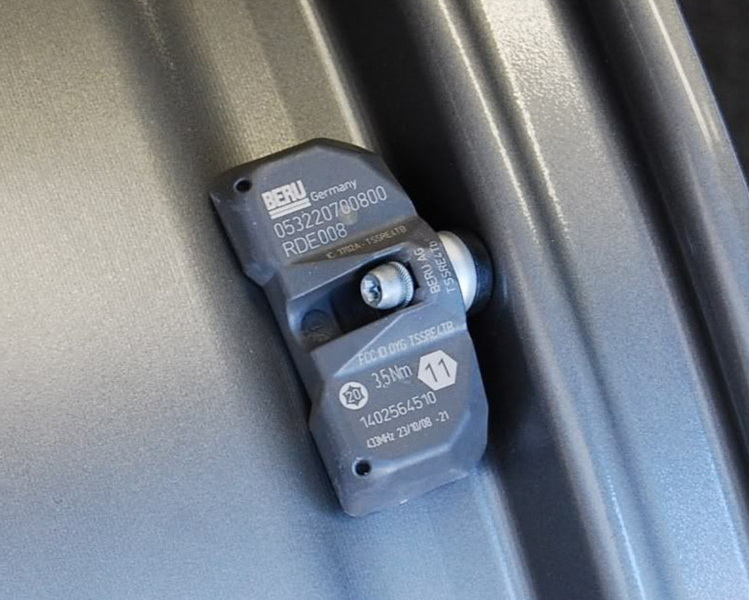
Tire Pressure Monitoring Systems (TPMS) have become a standard feature on modern vehicles, playing a crucial role in maintaining optimal tire pressure, enhancing fuel efficiency, and improving overall safety. When a tire pressure sensor fails, is replaced, or tires are rotated, the system needs to relearn the new sensor IDs. This process, often called TPMS programming or relearning, can be performed using various methods. This article will guide you through the different ways to program a tire pressure sensor, catering to both DIY enthusiasts and seasoned professionals.
Understanding TPMS Technology
Before diving into the programming process, it's essential to understand the basics of TPMS. A TPMS consists of individual sensors mounted inside each tire, typically attached to the valve stem. These sensors continuously monitor tire pressure and temperature, transmitting this data wirelessly to the vehicle's Electronic Control Unit (ECU). The ECU then displays the information on the dashboard, alerting the driver to any pressure discrepancies. There are two main types of TPMS: Direct TPMS, which uses sensors inside the tires, and Indirect TPMS, which utilizes the ABS wheel speed sensors to detect pressure loss based on changes in wheel rotation speed.
Reasons for TPMS Programming
Several scenarios necessitate TPMS programming:
- Sensor Replacement: When a sensor fails due to battery depletion or physical damage, a new sensor needs to be installed and programmed to the vehicle.
- Tire Rotation: Rotating tires changes the sensor positions. The ECU needs to relearn which sensor is now located at each wheel.
- Wheel Changes: Installing a new set of wheels, whether for winter tires or cosmetic upgrades, usually involves new sensors that need to be programmed.
- ECU Replacement: If the vehicle's ECU is replaced, it will likely require a complete TPMS relearn procedure.
Methods of Programming Tire Pressure Sensors
There are primarily three methods for programming TPMS sensors:
1. Auto-Relearn Procedure
The auto-relearn procedure is the simplest method, and it's often used on vehicles with basic TPMS systems. This method typically involves driving the vehicle for a specific distance and speed (e.g., driving at 25 mph for 10 minutes). During this drive, the ECU automatically learns the new sensor IDs. The exact steps can vary depending on the vehicle make and model, so consulting the owner's manual is crucial. This method only works if the replacement sensors are pre-programmed with the correct protocol for the vehicle.
Example: Many GM vehicles utilize an auto-relearn procedure after tire rotation. The process often involves inflating all tires to the recommended pressure, then driving the vehicle for a short distance until the TPMS light turns off.
2. Scan Tool Relearn Procedure
The scan tool relearn is a more advanced method that requires a specialized TPMS scan tool. These tools can communicate directly with the vehicle's ECU, allowing technicians to manually enter the sensor IDs or trigger the sensors to transmit their IDs. This method is generally more reliable than the auto-relearn, especially on vehicles with more complex TPMS systems. High-end scan tools can even diagnose TPMS faults and perform other advanced functions.
Procedure: The procedure usually involves connecting the scan tool to the vehicle's OBD-II port, selecting the TPMS relearn function, and following the on-screen instructions. The tool will typically prompt you to activate each sensor in a specific order, often starting with the driver's side front tire. Activating the sensor usually involves holding the tool near the valve stem and pressing a button.
3. TPMS Programming Tool
A dedicated TPMS programming tool is used to clone or program aftermarket sensors with the vehicle's specific TPMS protocol. This is useful when using blank aftermarket sensors that need to be configured for the correct make, model, and year. Some tools can even clone the ID of the original sensor onto the new sensor, eliminating the need for a relearn procedure. These tools often have databases containing information on a wide range of vehicle models.
Important Consideration: When purchasing aftermarket sensors, ensure they are compatible with your vehicle's TPMS system and the programming tool you intend to use. Always check compatibility charts and manufacturer specifications.
Safety Precautions
When working with TPMS sensors, it's crucial to exercise caution. Deflating tires can be hazardous, and improper installation can damage the sensors or the wheels. Always wear appropriate safety gear, such as gloves and eye protection. If you're not comfortable performing the programming procedure yourself, it's best to consult a qualified mechanic or tire technician.
Conclusion
Programming tire pressure sensors is a critical aspect of maintaining a functional TPMS. Understanding the different programming methods and selecting the appropriate tools and procedures can ensure that your TPMS system operates correctly, contributing to safer and more efficient driving. Whether you're a seasoned mechanic or a DIY enthusiast, mastering TPMS programming is a valuable skill in the modern automotive landscape.