
How Do You Remove Motor Oil From Concrete
Oil stains on concrete are a common headache for car owners and mechanics alike. Whether it’s a slow drip from a classic Mustang's aging engine, an accidental spill during an oil change on a modern Toyota Camry, or a persistent leak from a work truck like a Ford F-150, these stains are unsightly and can be surprisingly difficult to remove. This article will provide a comprehensive guide to tackling oil stains on concrete, covering everything from identifying the problem to implementing effective solutions and preventing future occurrences.
Understanding the Problem: Symptoms, Causes, and Impact
Symptoms: The most obvious symptom is the presence of dark, greasy spots on your concrete surface. These spots can range in size from small drips to large, saturated areas. The color can vary from a light brown to a deep black, depending on the type of oil, the age of the stain, and the porosity of the concrete.
Causes: Oil stains are primarily caused by leaks or spills during vehicle maintenance or operation. Common culprits include:
- Leaking engine oil: Worn seals and gaskets are frequent offenders. Older cars, like those from the 1960s and 70s, are particularly prone to these leaks due to the age and degradation of their rubber components.
- Spilled oil during oil changes: Even careful mechanics can experience spills, especially when dealing with larger oil volumes in SUVs and trucks.
- Power steering fluid leaks: These leaks often present as red or pinkish stains.
- Transmission fluid leaks: Similar to power steering fluid, transmission fluid can create distinctive stains based on its color.
- Grease and other lubricants: During repairs, grease can easily transfer from tools or parts onto the concrete.
Impact: Beyond aesthetics, oil stains can also weaken the concrete over time. The oil penetrates the porous surface, breaking down the concrete's structure. This can lead to crumbling, cracking, and ultimately, costly repairs. Furthermore, oil stains can pose a slip hazard, especially in wet conditions.
Troubleshooting and Solutions: A Step-by-Step Guide
The best approach to removing oil stains from concrete depends on the age and severity of the stain. Here's a breakdown of effective methods:
1. Immediate Action: Preventative Measures
Symptom: Fresh oil spill. Cause: Recent leak or spill. Solution: Act fast! Absorb as much oil as possible immediately. Use absorbent materials like:
- Kitty litter: A readily available and effective absorbent. Spread a thick layer over the stain and let it sit for several hours, or even overnight.
- Sawdust: Another affordable option, especially for larger spills.
- Commercial oil absorbent: Available at auto parts stores, these products are specifically designed to absorb oil and other fluids.
Once the absorbent material has soaked up the oil, sweep it up and dispose of it properly according to local regulations.
2. Cleaning with Detergent and Water
Symptom: Light to moderate oil staining. Cause: Relatively recent spill or leak. Solution: This method works well for fresher stains. Follow these steps:
- Apply a generous amount of dish soap (like Dawn, known for its grease-cutting properties) or a dedicated concrete cleaner to the stain.
- Scrub vigorously with a stiff-bristled brush. A wire brush can be effective for stubborn stains, but be careful not to damage the concrete surface.
- Let the detergent sit for 15-20 minutes.
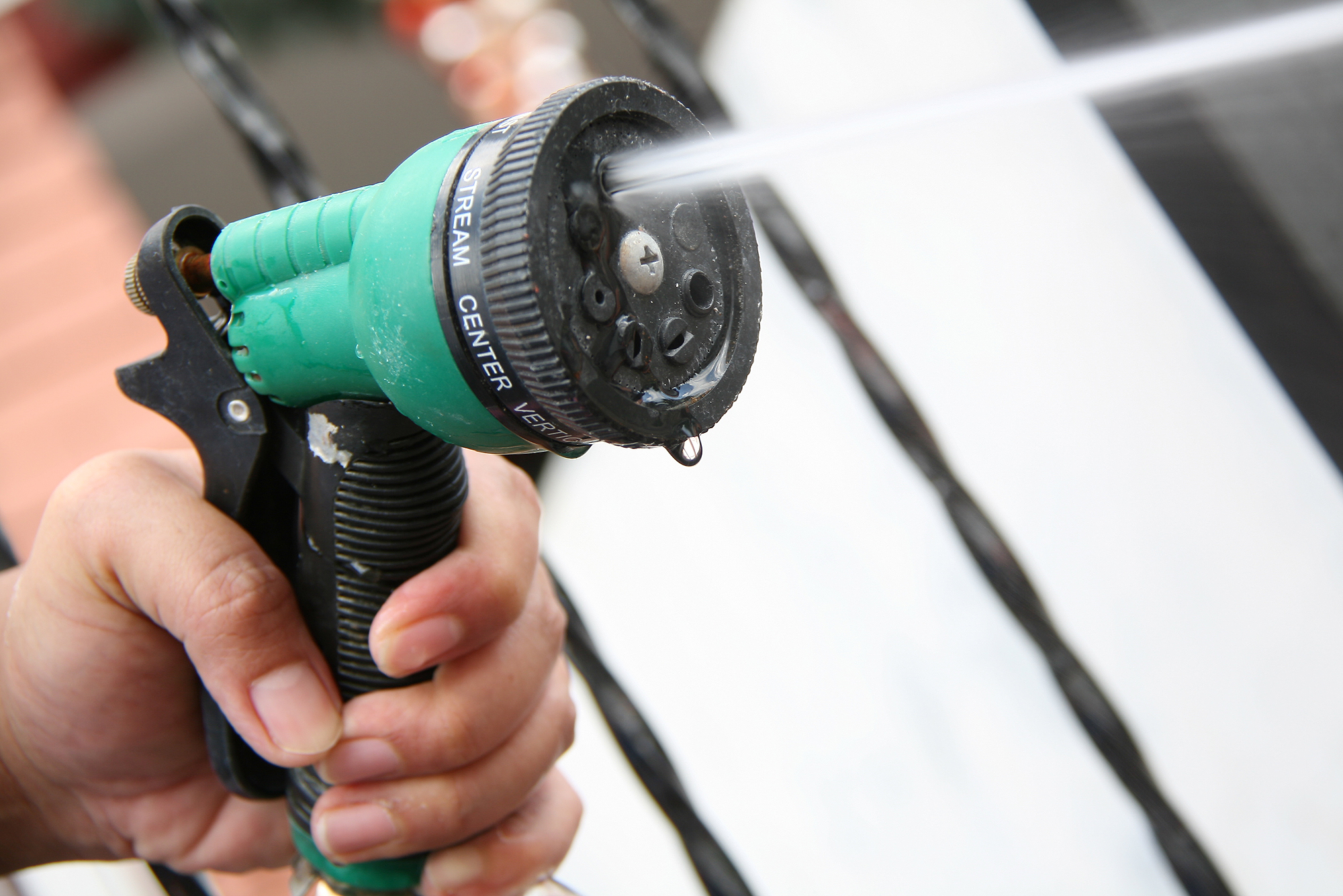
- Rinse thoroughly with water. A pressure washer can significantly improve the cleaning power, but use a wide nozzle to avoid etching the concrete.
- Repeat if necessary.
3. Using a Degreaser
Symptom: Moderate to heavy oil staining. Cause: Older or more substantial oil leaks or spills. Solution: For tougher stains, a degreaser is often necessary. Look for a concrete-safe degreaser at your local hardware or auto parts store. Follow the manufacturer's instructions carefully, as degreasers can be harsh chemicals.
- Apply the degreaser to the stain.
- Let it sit for the recommended time.
- Scrub with a stiff-bristled brush.
- Rinse thoroughly with water.
- Repeat if necessary.
Caution: Always wear gloves and eye protection when working with degreasers.
4. Poultice Method
Symptom: Deeply embedded or old oil stains. Cause: Years of accumulated oil penetration. Solution: This method uses a paste-like mixture to draw the oil out of the concrete. You can create a poultice using:
- Baking soda and water: Mix baking soda with water to form a thick paste.
- Diatomaceous earth and a solvent: Diatomaceous earth is a highly absorbent powder. Mix it with a solvent like mineral spirits or acetone (use caution and proper ventilation with acetone).
- Commercial poultice products: Available at hardware stores.
- Apply a thick layer of the poultice over the stain.
- Cover with plastic wrap and tape down the edges to prevent it from drying out too quickly.
- Let it sit for 24-48 hours (or longer for older stains).
- Remove the plastic wrap and let the poultice dry completely.
- Sweep up the dried poultice. The oil should have been absorbed into the powder.
- Rinse the area with water.
- Repeat if necessary.
5. Professional Cleaning
Symptom: Extremely stubborn or widespread oil staining. Cause: Severe oil contamination or lack of success with DIY methods. Solution: If all else fails, consider hiring a professional concrete cleaning service. They have specialized equipment and chemicals that can effectively remove even the most stubborn oil stains.
Real-World Examples and Model-Specific Considerations
Classic Cars (e.g., 1967 Mustang): Older vehicles are notorious for leaks. Regular inspections of seals and gaskets are crucial. For concrete stains, the poultice method is often necessary due to the age of the spills.
Modern Cars (e.g., 2020 Toyota Camry): While generally more reliable, modern cars can still leak. Pay attention to service intervals and address any fluid leaks promptly. Dish soap and water may be sufficient for fresh spills.
Trucks and SUVs (e.g., Ford F-150): Larger vehicles often have higher oil capacities, leading to more significant spills. Consider using commercial oil absorbents during oil changes to minimize the risk of staining.
Preventative Maintenance: Keeping Your Car in Top Condition
The best way to avoid oil stains on your concrete is to prevent oil leaks in the first place. Here are some essential maintenance tips:
- Regular oil changes: Follow the manufacturer's recommended service intervals.
- Inspect for leaks regularly: Check for signs of oil leaks around the engine, transmission, and power steering components.
- Replace worn seals and gaskets: Address any leaks promptly by replacing the affected parts.
- Use drip trays: Place drip trays under your vehicle when parked to catch any potential leaks.
- Be careful during oil changes: Use funnels and absorbent materials to prevent spills.
By taking proactive steps to maintain your vehicle and address oil leaks promptly, you can significantly reduce the risk of oil stains on your concrete and keep your car running smoothly for years to come. Remember, a little prevention goes a long way!